
Giant Panda House
The headline enclosure holds several pandas, usually most active in the cool morning. A separate small ticket is required, and the queue can be long on holidays.
See the giant pandas, then wander the old imperial gardens around them
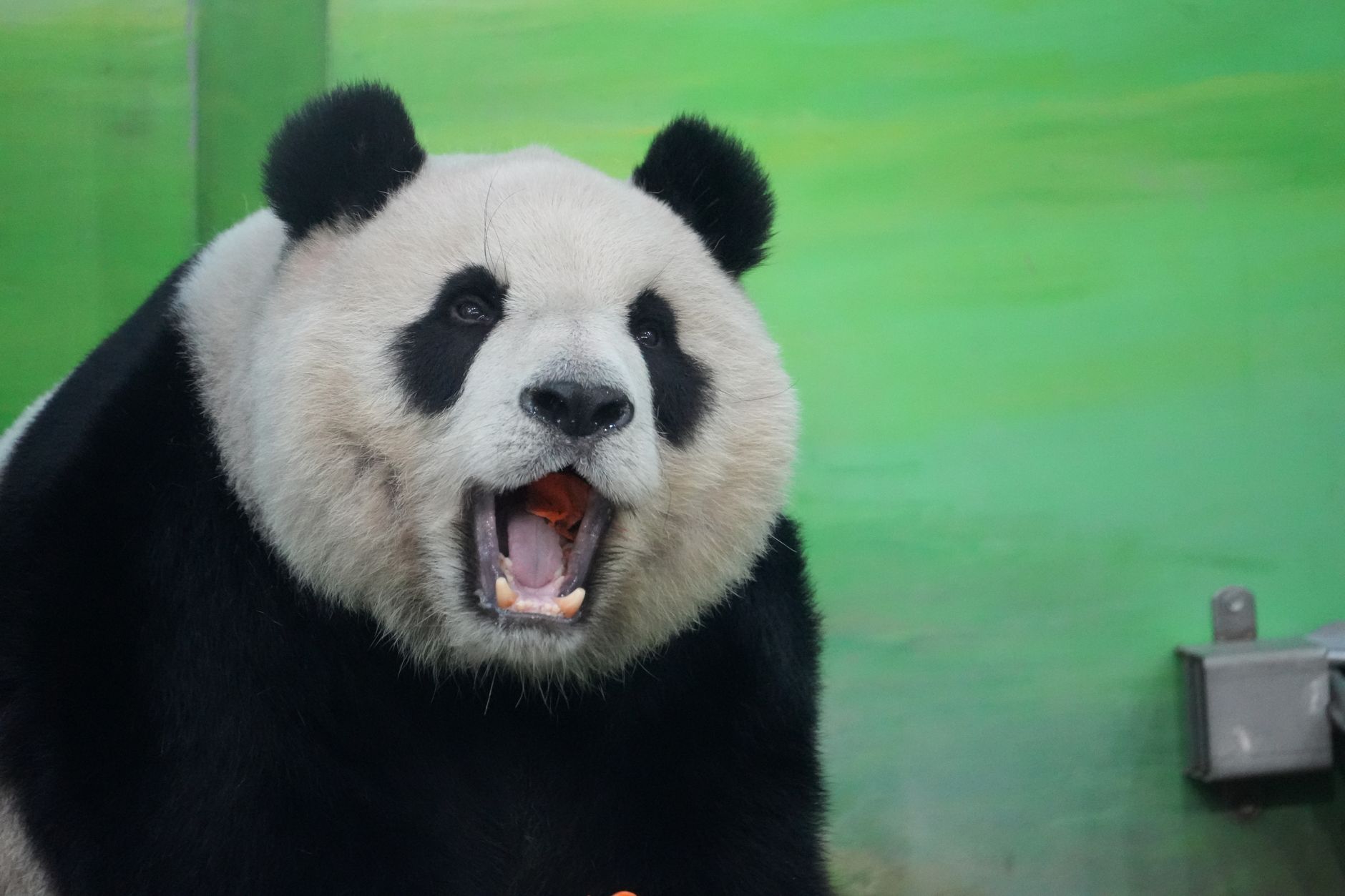
Beijing Zoo is a large city zoo most famous for its Giant Panda House, where several pandas are the unmistakable headline and the longest queues. Behind the animal enclosures lie Qianlong-era imperial gardens and a large aquarium next door. This guide covers the separate panda ticket, the best time to catch the pandas awake, and how to reach the zoo on Line 4 from the centre.
The zoo sells walk-in tickets at the gate, so no advance booking is needed. The Giant Panda House needs a small separate ticket bought inside, and the aquarium next door is a separate paid entry.
Metro Line 4 to Beijing Zoo (Exit A); the main gate is a short walk from the station through the small plaza.
Show the driver 北京动物园 (Beijing Zoo) or 动物园大门 (the main gate). The north gate is the usual drop-off.
Use the main south gate near the metro; the panda house sits a 10–15 minute walk inside, signposted throughout the grounds.
The headline enclosure holds several pandas, usually most active in the cool morning. A separate small ticket is required, and the queue can be long on holidays.
The zoo sits on the former imperial menagerie grounds, with old cypress-lined paths, pavilions and a lake laid out in the Qianlong reign of the 1700s.
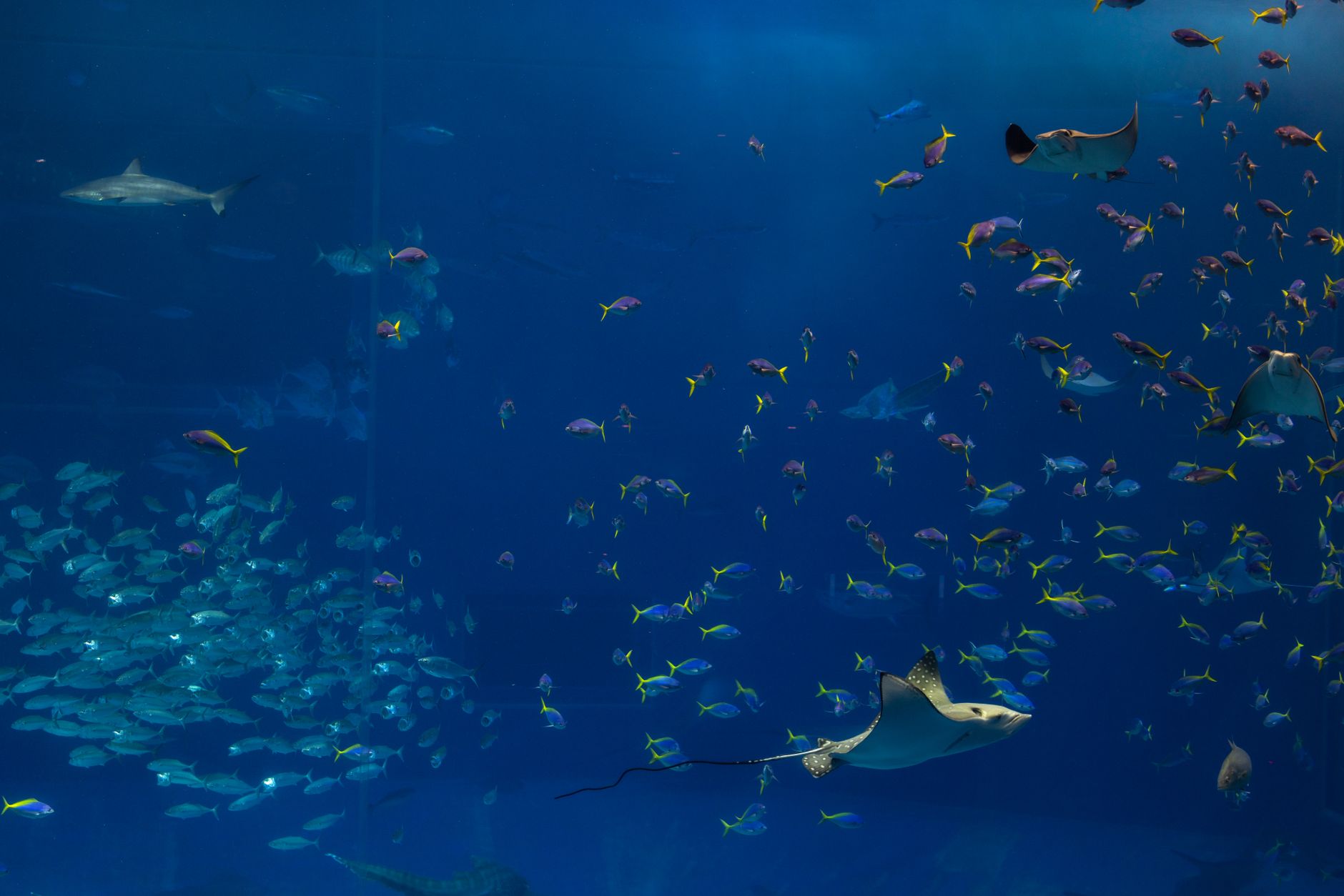
The large aquarium next door — one of the biggest in Asia — holds whale sharks, reefs and a dolphin show, and is a separate ticket at its own entrance.
Beyond the pandas, the zoo keeps elephants, big cats and primates in a mix of historic and modern enclosures; the older ones are plainly dated by today's standards.
The site began as the Qing imperial gardens of the 1700s, when the Qianlong emperor laid out a retreat with lakes and pavilions on the western city's water system. Part of it served as an informal imperial menagerie for exotic animals.
After the fall of the dynasty the grounds became a public zoo in 1906, one of the oldest in China, and expanded through the 20th century with new enclosures and the panda house added after pandas arrived mid-century.
Today the zoo holds thousands of animals, but its fame rests on the giant pandas, first shown here in the 1970s. The gardens still echo their imperial layout, even as some enclosures show their age beside the modern aquarium next door.
No. The zoo sells walk-in tickets at the gate and needs no passport reservation. Only the Giant Panda House requires a small separate ticket, bought inside the grounds at its own booth.
A base ticket is around CNY 15, with the Giant Panda House adding a small surcharge of roughly CNY 5–10. The Beijing Aquarium next door is a separate, larger ticket bought at its own entrance.
Plan three to four hours for the pandas, the gardens and a few enclosures, or a full half-day if you also visit the aquarium next door.
Mornings in spring or autumn are best, when the pandas are feeding and active. Avoid hot summer afternoons, when the animals often sleep and the crowds peak.
For the giant pandas, yes — they are the clear highlight and the reason most visitors come. Treat the rest as a pleasant historic garden; some older enclosures are dated, so set expectations accordingly.