
麻辣 crayfish (spicy crayfish)
The dish that made Guijie famous: piles of freshwater crayfish stir-fried in numbing chilli and Sichuan pepper. Summer is peak season, and the busiest houses ship them in by the tonne nightly.
Beijing's late-night spicy-crayfish and hotpot street off Dongzhimen
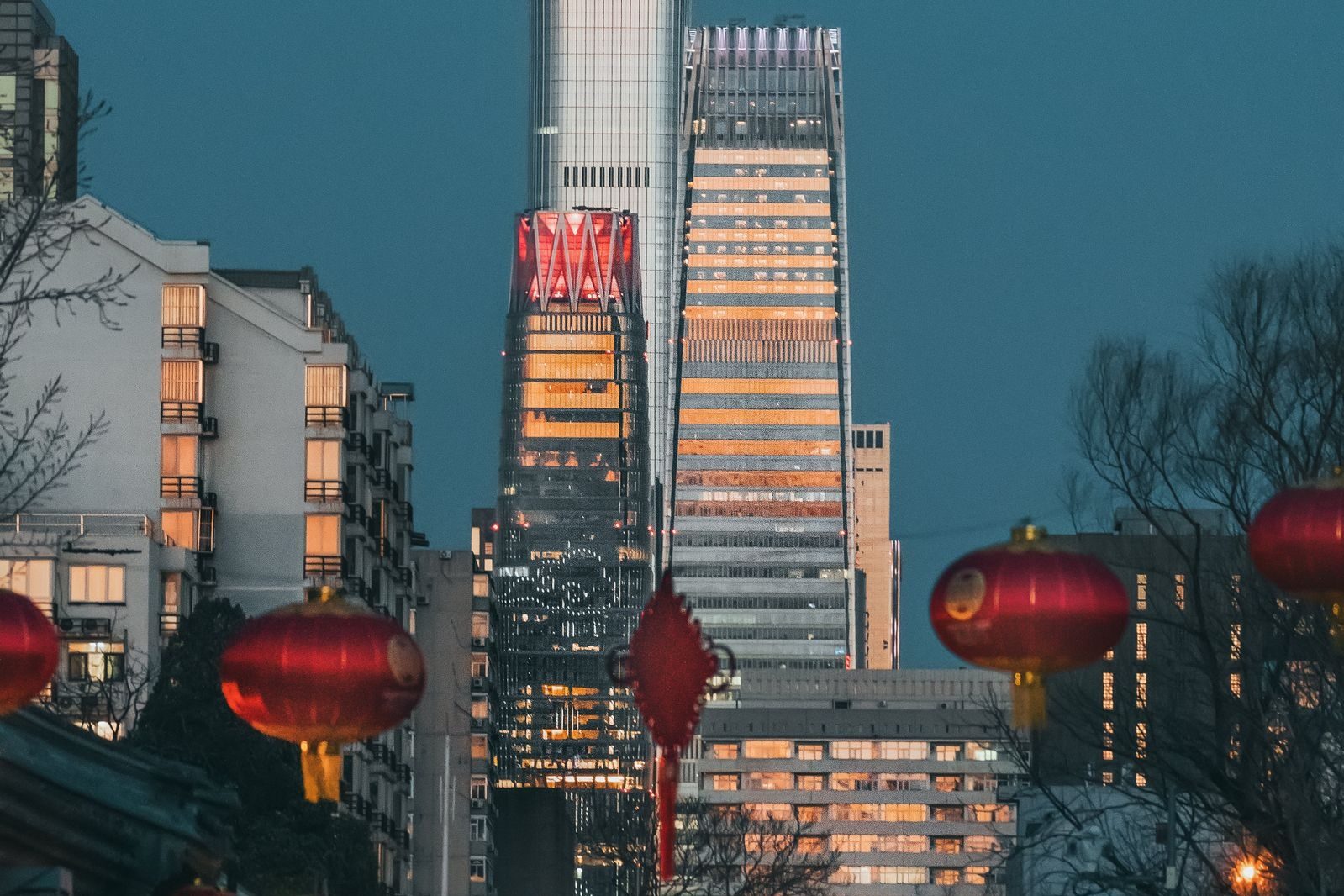
Guijie — literally 'Ghost Street' — is a kilometre-long restaurant strip running east from Dongzhimen, famous across Beijing for late-night eating. Its signature is 麻辣 (málà) spicy crayfish, and many places stay open around the clock. This guide explains how to get there on Lines 2 and 13, what to order, and how to manage a menu you cannot read with picture menus and pointing.
Guijie is a street of restaurants with no entry fee, and most places take walk-ins. The only planning worth doing is arriving off-peak, because the popular crayfish houses queue on weekend nights. Big groups may be wise to call ahead, but a couple can usually just turn up.
Metro Lines 2 or 13 to Dongzhimen Station (Exit B); Guijie begins a 3-minute walk east along the lit restaurant frontage.
Show the driver 簋街 (Guijie) or 东直门簋街; it is the well-known food street by Dongzhimen.
There is no gate — the street is open along its length. Enter from the Dongzhimen end in the west or from the east; most action is on the southern side.
The dish that made Guijie famous: piles of freshwater crayfish stir-fried in numbing chilli and Sichuan pepper. Summer is peak season, and the busiest houses ship them in by the tonne nightly.
Several Guijie restaurants never close, serving Beijing- and Sichuan-style hotpot through the small hours. They are a lifeline for late arrivals and night owls after a show or a flight.
Nearly every venue hangs rows of red lanterns, so the whole kilometre glows at night. It is the most photographed aspect of Guijie and the easiest way to recognise you are in the right place.
Between the big crayfish halls sit humbler noodle, barbecue and skewer shops favoured by locals. They are cheaper, faster and a good fallback if the famous houses have a queue.
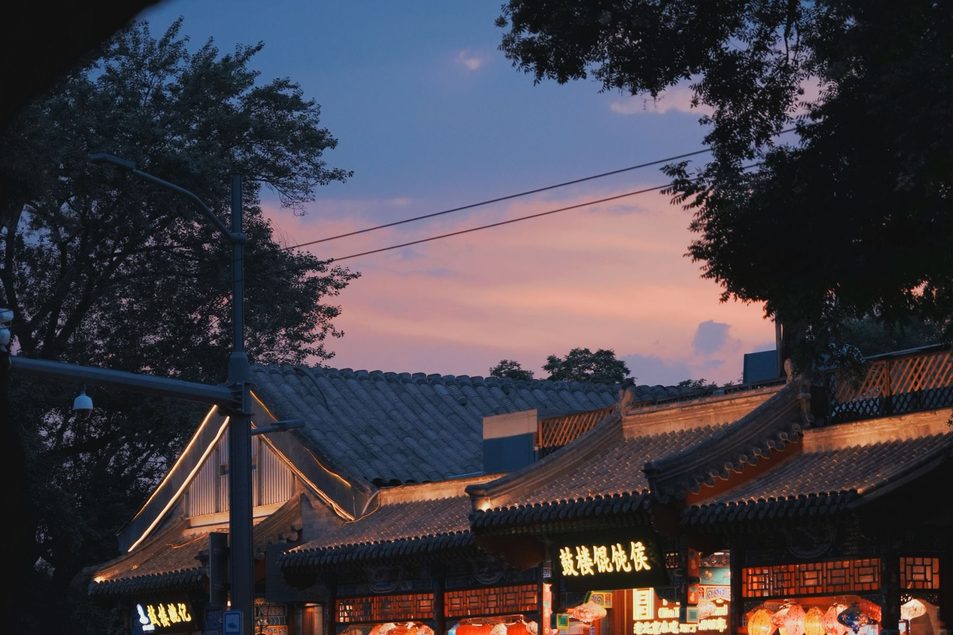
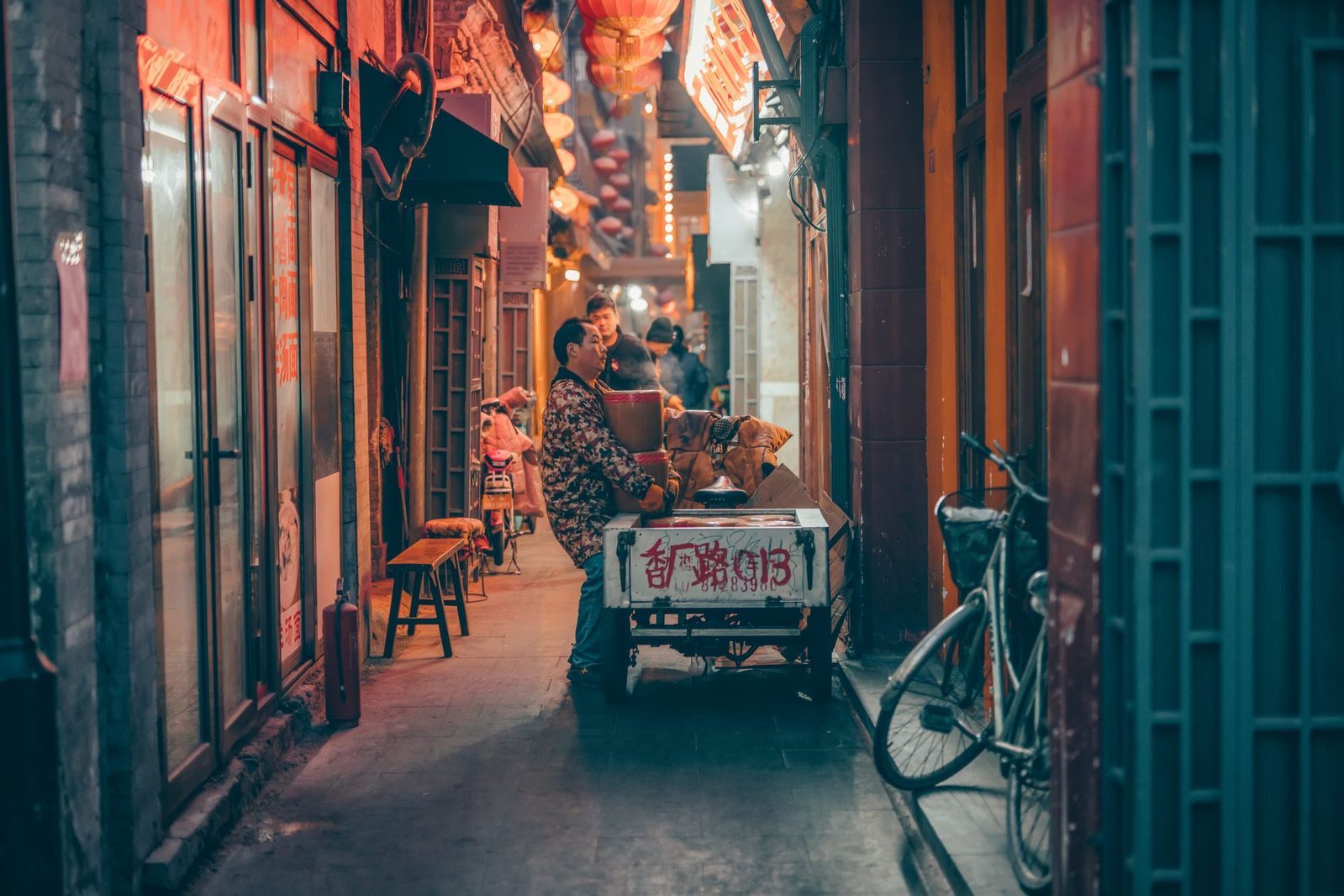
Guijie follows an old east–west lane by Dongzhimen, one of the city's former inner gates. Its name, 'Ghost Street', comes from a historical cluster of funeral and spirit-offering shops, when the area was associated with the deceased rather than dinner.
The turn came in the 1990s and 2000s, when the district government rebranded the lane as a night-food street and subsidised restaurants to stay open late. Crayfish, then a novelty, became the signature, and Guijie quickly turned into Beijing's default late-night eating destination.
Today the street runs for about a kilometre with hundreds of restaurants, many open 24 hours, and draws crowds well past midnight. It is less about heritage than appetite, but as a piece of contemporary Beijing food culture it is unrivalled — and entirely free to simply walk.
Yes. Walking the street costs nothing and there is no ticket or booking. You pay only for what you eat. Most restaurants take walk-ins, though popular crayfish houses queue on weekend nights, so off-peak arrival helps.
Spicy 麻辣 crayfish, piles of freshwater prawns in numbing chilli and Sichuan pepper, and round-the-clock hotpot. The street is Beijing's best-known late-night eating strip, with hundreds of restaurants many open 24 hours.
Ask for the picture menu (图片菜单) and point at what you want. Learn '微辣' for mild and '不辣' for none. Staff are used to foreigners; calculators and translation apps bridge the rest, and many dishes are visual anyway.
Summer evenings are peak crayfish season and the street is at its liveliest. Arrive before 18:00 or after 21:00 to dodge the worst queue. Weeknights are calmer than Friday and Saturday, when waits can be long.
Genuinely hot. The default málà level numbs the tongue with chilli and peppercorn, and 'extra hot' is fierce. Ask for mild (微辣) if you are unsure, order plain sides to cool down, and keep a drink handy. It is manageable with care.