
The 18-Metre Maitreya Buddha
Carved from a single sandalwood trunk, this towering Maitreya in the final hall is the temple's masterpiece and one of the largest wooden statues in the world. Look up — it occupies the full height of the pavilion.
Beijing's grand Tibetan Buddhist temple and its 18-metre sandalwood Buddha
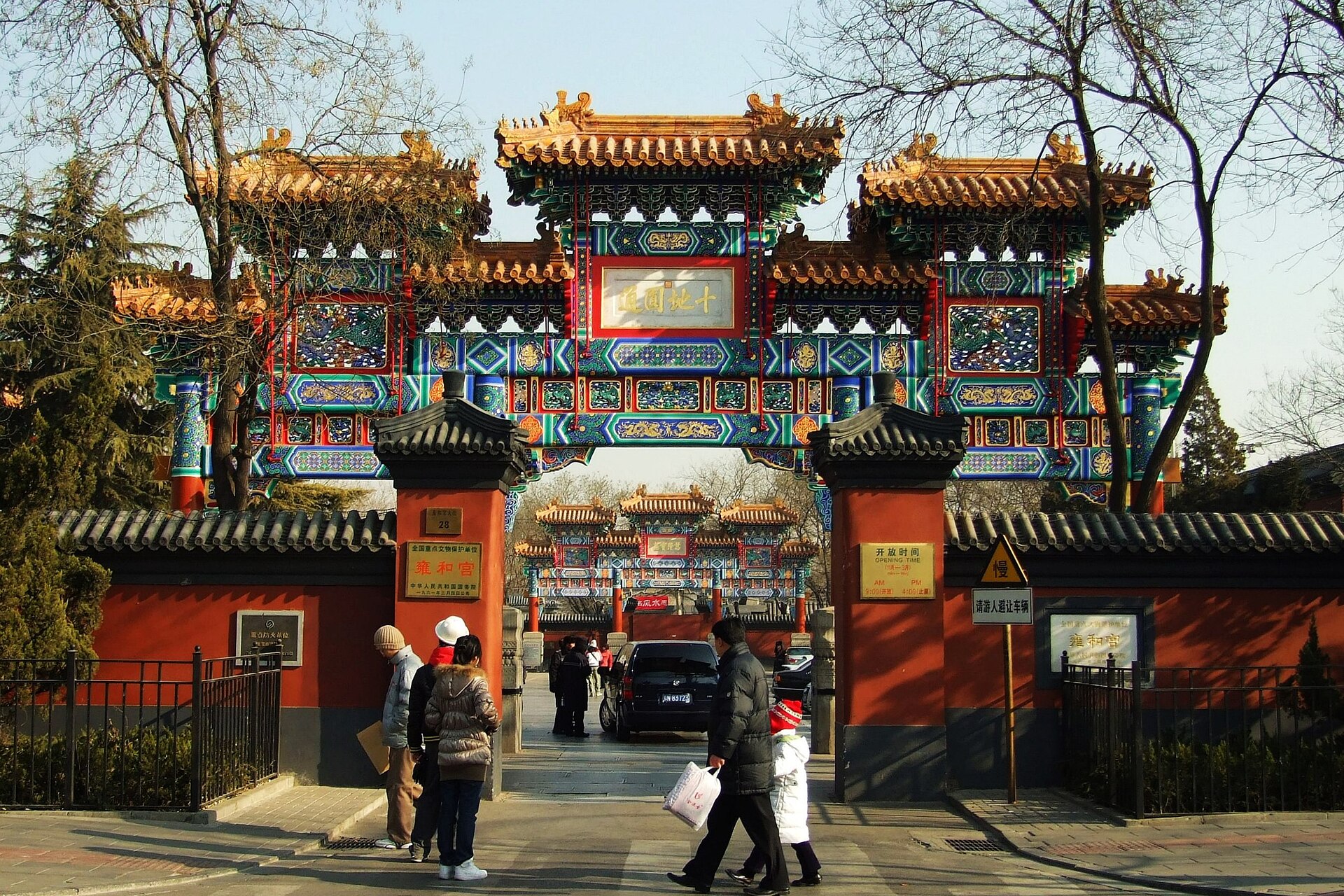
The Lama Temple, or Yonghegong, is the most important Tibetan Buddhist temple in Beijing and one of its most atmospheric. Once a Qing princely mansion and then an imperial lamasery, it is now a working monastery where incense hangs in the air. Its centrepiece is an 18-metre Maitreya Buddha carved from a single sandalwood trunk. This guide covers the ticket, incense etiquette, the metro approach and the surrounding hutong streets.
The Lama Temple sells tickets at the gate with no advance booking for foreign visitors. You pay on arrival and walk in, though a passport check can apply on busy festival days such as Tibetan New Year and Lunar New Year when the temple is at its most crowded.
Metro Line 2 or 5 to Yonghegong Lama Temple. From Line 2 use Exit C; from Line 5 the interchange is a long walk, so follow signs carefully to the temple exits.
雍和宫 南门 (south gate, on Yonghegong Street).
Enter at the South Gate and follow the one-way route north through the halls to the final Maitreya hall; there is no backtracking along the main axis.
Carved from a single sandalwood trunk, this towering Maitreya in the final hall is the temple's masterpiece and one of the largest wooden statues in the world. Look up — it occupies the full height of the pavilion.
The former main hall now holds three bronze Buddhas and is the spiritual centre of the working monastery. The scent of incense and the low chant of monks make it the most atmospheric room.
A series of red-and-gold archways and a decorative glazed 'Disc of the Moon' screen mark the approach, blending Han and Tibetan styles. They are the best external photo frame of the whole temple.
Devotees light vast coils of incense in the courtyards and turn the lined prayer wheels. Joining respectfully — or simply watching — gives a vivid sense of the temple as a living place of worship.
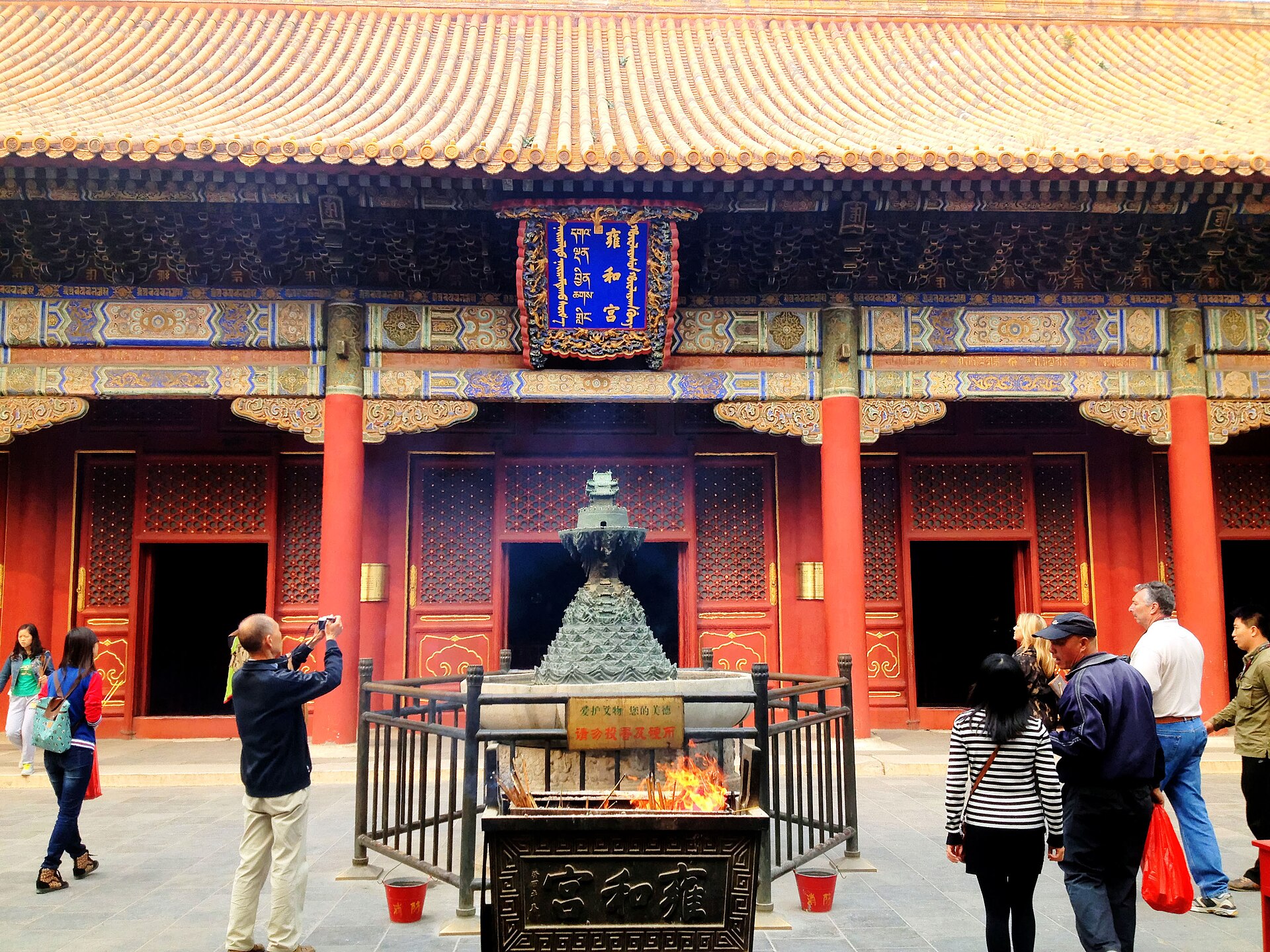
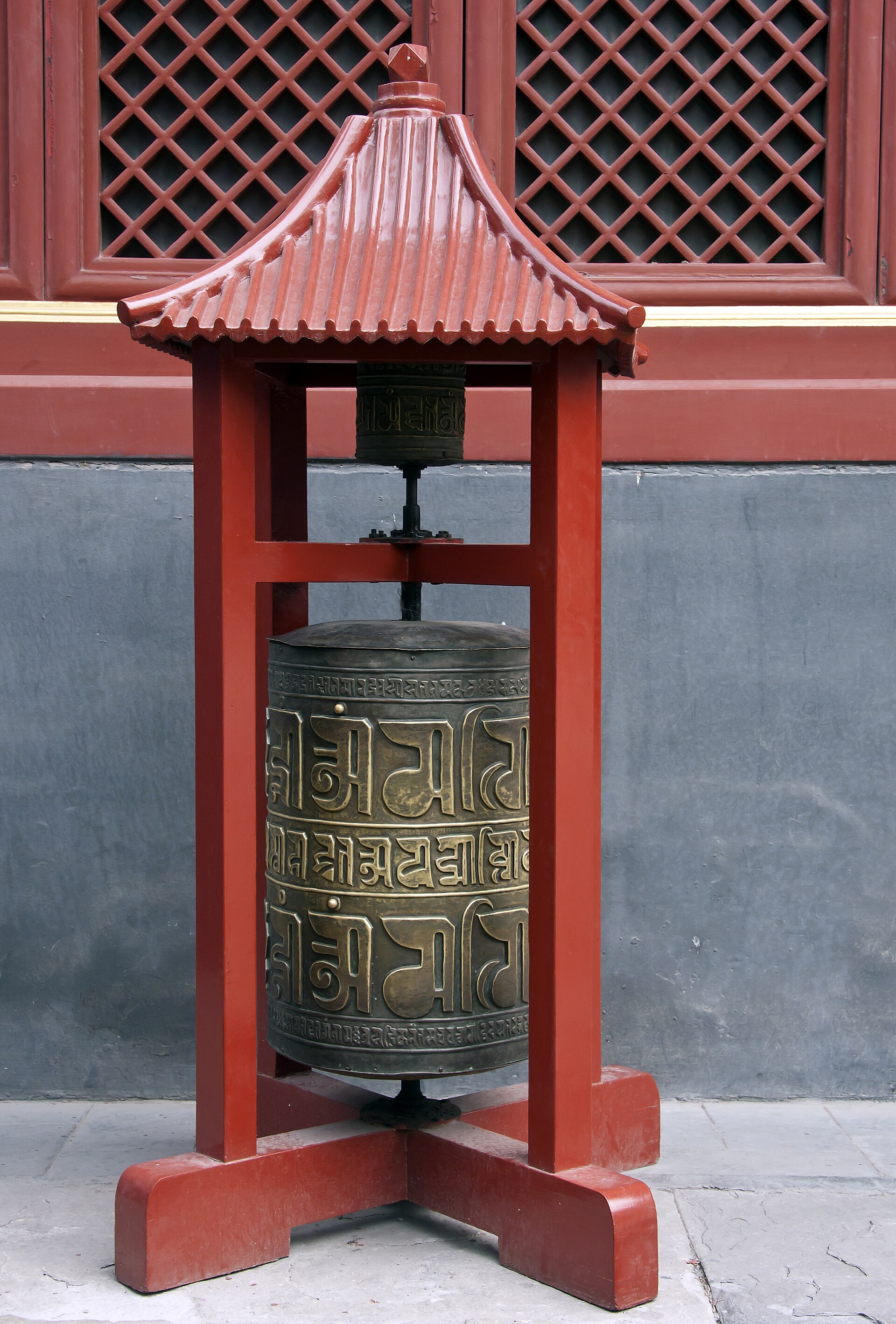
The site began in 1694 as the residence of the Kangxi emperor's son, the future Yongzheng prince, and takes its name from him. When Yongzheng became emperor the eastern half was converted into a lamasery, blending royal mansion and Buddhist monastery in a single compound.
Under Qianlong the temple was expanded and elevated as the court's principal Tibetan Buddhist institution, staffed by Mongolian and Tibetan lamas and used for major state religious rites. It survived the 20th century's upheavals better than many monasteries and was reopened for worship in the 1980s after restoration.
Today the Lama Temple is an active monastery and a protected national monument, attracting both pilgrims and travellers. Its sandalwood Maitreya, a gift from a Tibetan region in the 18th century, remains the largest of its kind, and the temple is considered the finest example of Han-Tibetan architecture in the capital.
No. Tickets are sold at the gate with no advance booking for foreign visitors; pay on arrival and walk in. Carry your passport, as a real-name check can apply on crowded festival days such as Lunar New Year.
Around CNY 25, though confirm the current figure on the official account before you go. The ticket includes all the halls; free incense is offered at the entrance, and there is no separate charge inside.
Allow one and a half to two and a half hours to move through the halls at a calm pace and reach the Maitreya Buddha. Add time for the surrounding Wudaoying Hutong if you want food or cafés afterward.
Weekday mornings are quietest and most atmospheric, with monks chanting and thin crowds. Festivals are vivid but packed. The temple is indoors enough to visit year-round, though winter mornings are cold in the unheated courtyards.
Take Line 2 or 5 to Yonghegong Lama Temple station; the South Gate is a short walk from the exits. From Line 5 the interchange is a long corridor, so follow the temple signs and allow extra minutes if you are changing lines.