
The Bronze Instruments
Eight 17th-century bronze astronomical instruments — armillary spheres, a celestial globe and quadrant — designed with Jesuit input and cast for the imperial astronomers.
A Ming–Qing imperial observatory on the old city wall, with 17th-century bronze instruments
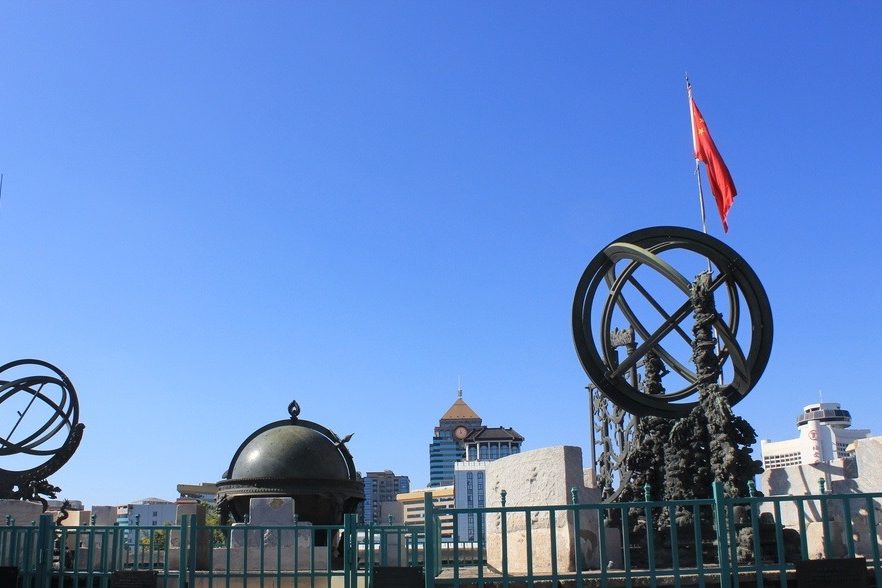
The Beijing Ancient Observatory is a Ming–Qing imperial astronomy site perched on a surviving section of the old city wall, crowned by eight 17th-century bronze instruments designed with Jesuit help. It is small and quick to see. This guide covers opening hours, the ticket, how to get there, and why a short, specific visit window is all you need.
The observatory is a small museum that sells tickets at the gate and needs no advance booking. Carry your passport in case ID is recorded. Because the site is compact, a short, specific visit window is all you need — do not block out a half day.
Metro Line 1 or 2 to Jianguomen (Exit C), then a 5-minute walk south to the observatory tower beside the old city wall.
Show the driver 北京古观象台 (Beijing Gu Guanxiang Tai). It sits just south of Jianguomen.
Enter at the base of the tower on the old wall. Climb the stairs to the instrument platform, then use the ground exhibition; exit the same entrance.
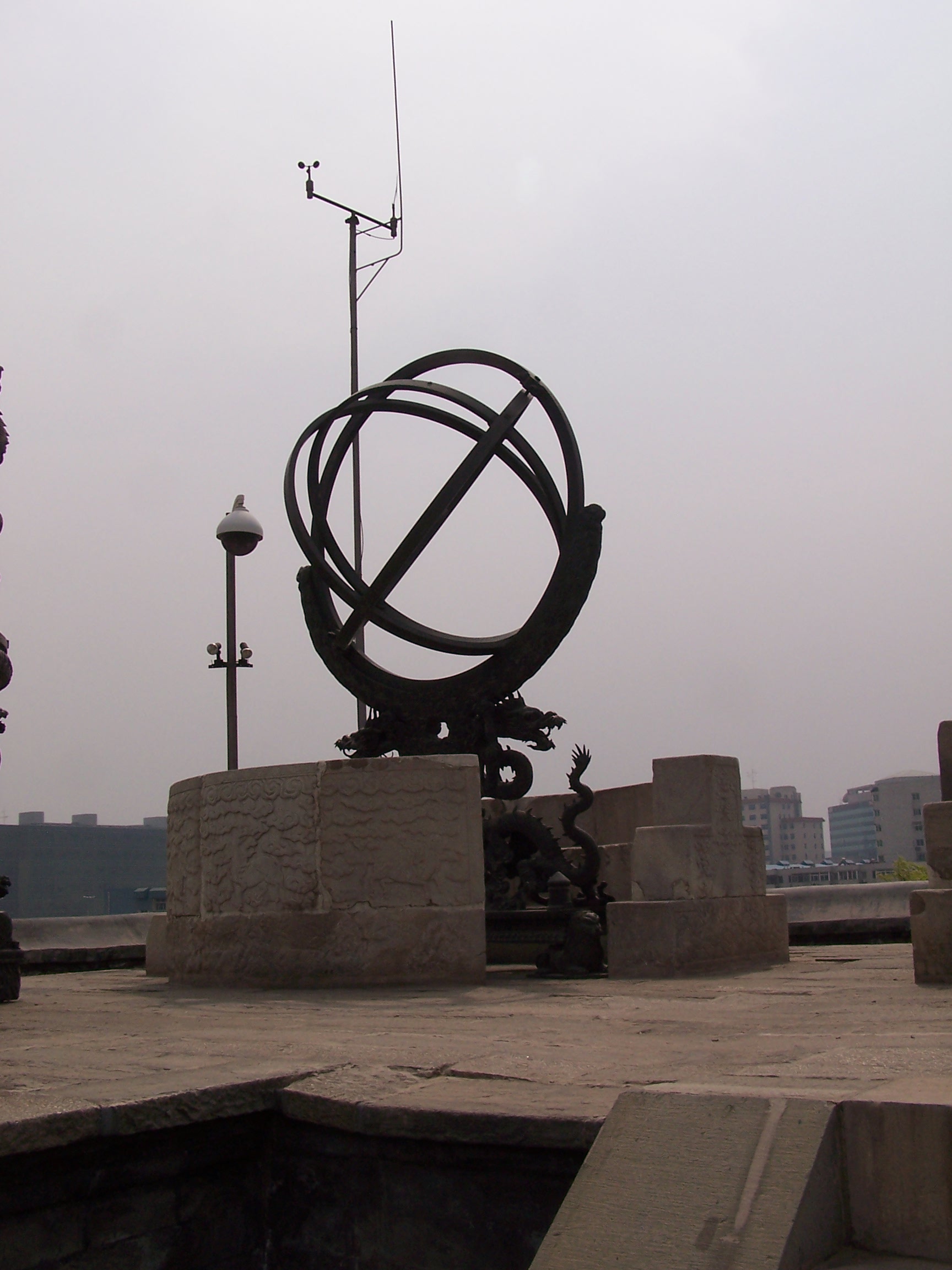
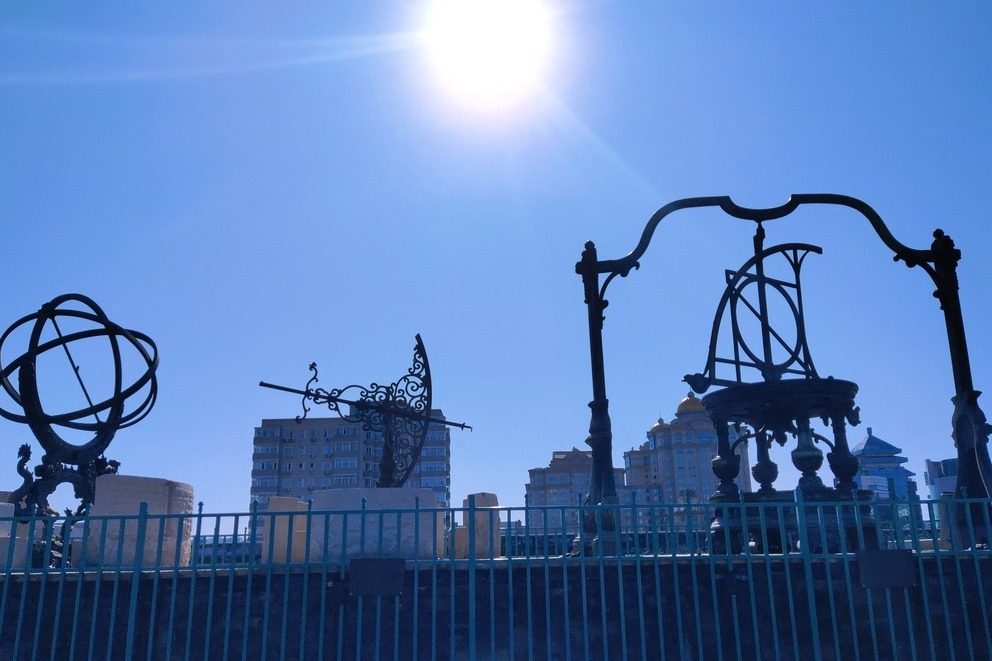
Eight 17th-century bronze astronomical instruments — armillary spheres, a celestial globe and quadrant — designed with Jesuit input and cast for the imperial astronomers.
The instruments sit on a Ming-era platform built atop a surviving section of the old Beijing city wall, unusual and atmospheric.
The lower floors hold a small exhibition on Chinese and Jesuit astronomy and the instruments' making.
The observatory clings to a rare standing piece of the Ming city wall, giving a tangible sense of the old capital's edge.
The observatory was established in 1442 under the Ming dynasty as the imperial astronomical bureau, built on a platform atop the city wall at the south-east of the capital. For centuries it was where court astronomers tracked the heavens to produce the official calendar on which farming and ritual depended.
In the 17th century the Jesuit astronomers Ferdinand Verbiest and others, working with the Qing court, designed a new set of bronze instruments — armillary spheres, a celestial globe, quadrants and sextants — that still crown the platform today. They fused European instrument design with Chinese bronze-casting skill.
The observatory survived the fall of the empire and became a museum, preserving the Ming platform and the Qing bronze instruments as one of the world's oldest continuous astronomical sites. It remains a compact but genuinely historic stop, with a rare standing section of the Ming city wall beneath it.
No. Tickets are sold at the gate and there is no advance booking for foreign visitors. Carry your passport in case ID is recorded, and buy a paper ticket on arrival.
Around CNY 20 at the gate, though the price can change, so confirm on the notice when you arrive. The ticket covers the tower, the instrument platform and the small exhibition.
Forty-five minutes to an hour is plenty. The site is compact — a tower, a wall-top platform of bronze instruments and a small exhibition — so plan a short, specific window rather than a long stop.
Any clear day, since the open platform and city views are the point. The observatory closes on Mondays, so avoid that day, and weekday mornings are quietest with the best light for the instruments.
Yes, especially for history or science travellers. The 17th-century bronze instruments, designed with Jesuit help and set on a Ming city-wall platform, make it one of the world's oldest working observatory sites — small but memorable.