
The Tian'anmen Gate
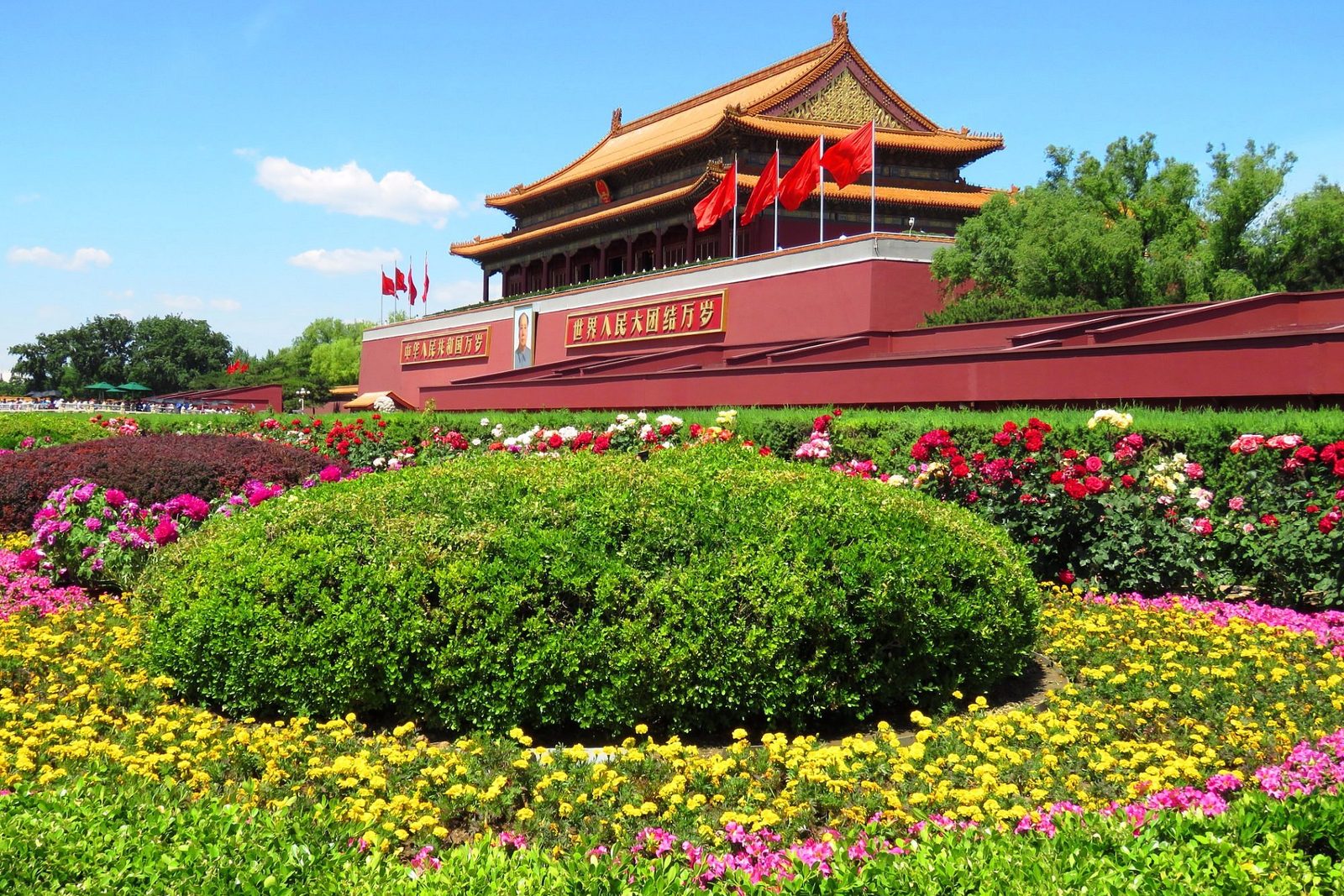
The red gate with Mao's portrait fronts the square's north side and leads to the Forbidden City. It is the most photographed frame in Beijing and the symbol of the square.
The world's largest public square, free to enter but only with a passport reservation
Tian'anmen Square is the monumental public square at the centre of Beijing, bounded by the Tian'anmen Gate, the Great Hall of the People and the National Museum of China. Entry is free, but foreign visitors must hold a real-name advance reservation and show a passport at the security gate. This guide explains the reservation mini-program, the passport check, the best times to go, and how to pair the square with the Forbidden City across the road.
The square is free, but every visitor — foreign or domestic — needs a real-name advance reservation tied to an ID. Foreign visitors book with a passport through the official Tian'anmen Square reservation mini-program, and the slot is checked against the physical passport at the gate.
Take Metro Line 1 to Tian'anmen East (Exit A) or Tian'anmen West (Exit B). Both exits feed into the security screening points for the square; allow extra time for the bag check.
Show the driver 天安门广场 (Tian'anmen Square). Ask to be dropped at the east or west side, not the gate, to shorten the walk.
Enter through a screened checkpoint on the square's east or west side. You cannot drive onto the square; pedestrians pass security, then walk freely within the bordered area.
The red gate with Mao's portrait fronts the square's north side and leads to the Forbidden City. It is the most photographed frame in Beijing and the symbol of the square.
A 37-metre obelisk stands at the square's centre, engraved with revolutionary reliefs — a quiet pivot point around which visitors orient themselves.
On the square's east side, the vast museum holds artefacts from across Chinese history and is free with its own reservation — an easy, weather-proof add-on.
The colonnaded hall on the west side hosts state ceremonies. You can only view it from outside, but its scale defines the square's western edge.
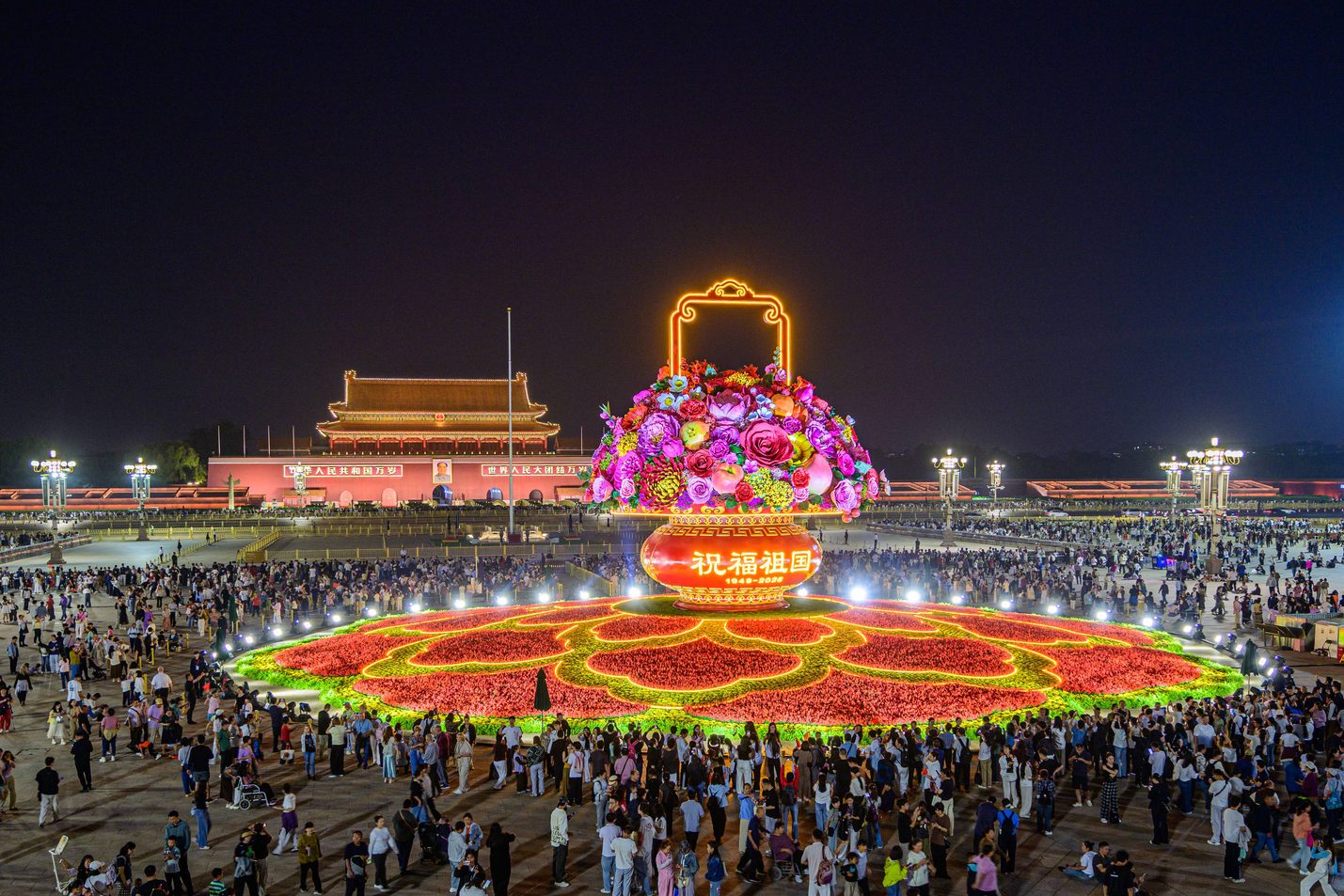
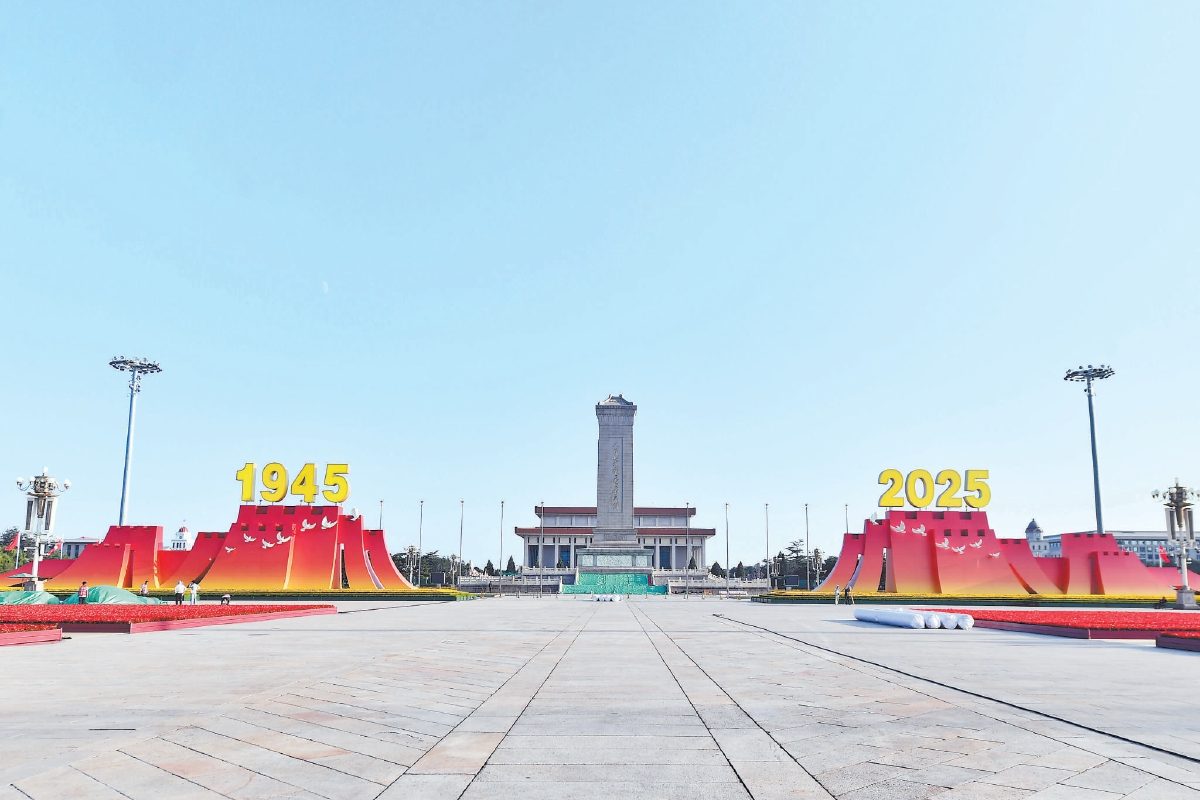
The square took its present form in the 1950s, when the republican-era space was enlarged into a vast ceremonial plaza fronting the Tian'anmen Gate, itself first built in 1417 as the south gate of the Imperial City under the Ming.
It became the stage for the founding ceremony of the People's Republic in 1949 and has since hosted major national parades and gatherings. The surrounding buildings — the Great Hall, the museum, the monument — were added through the 1950s and 1970s.
Today the square is one of the largest public squares in the world, covering about 44 hectares and handling tens of thousands of visitors daily. Entry is free but tightly controlled, with passport-based reservation and security screening at every entrance.
Yes. Although entry is free, every visitor needs a real-name advance reservation tied to an ID, and foreign visitors book with a passport through the official WeChat mini-program. There is no walk-up entry, so reserve before you go.
Entry is free. The only cost is your time — the reservation is free and there is no ticket fee. You will, however, need to pass a passport security check and a bag screening at the entrance.
Allow one to two hours to walk the square, see the gate and the monument, and pass security. Add more if you enter the National Museum of China on the east side, which is free with its own reservation.
Autumn (September–October) brings clear skies and comfortable temperatures. Arrive at opening for the dawn flag-raising ceremony, or later morning to avoid the heaviest security queues.
Yes, but it pairs best with the Forbidden City directly north and the National Museum on its east side. Treat the square as the opening act of a central-Beijing day rather than a standalone stop.