
Wofosi (Sleeping Buddha Temple)
A 7th-century temple rebuilt under the Qing, centred on a 5-metre recumbent bronze Buddha flanked by twelve disciples. The wooded approach and quiet halls make it the garden's calmest corner.
Sleeping Buddha Temple, cherry blossoms and a glass conservatory in far-west Beijing
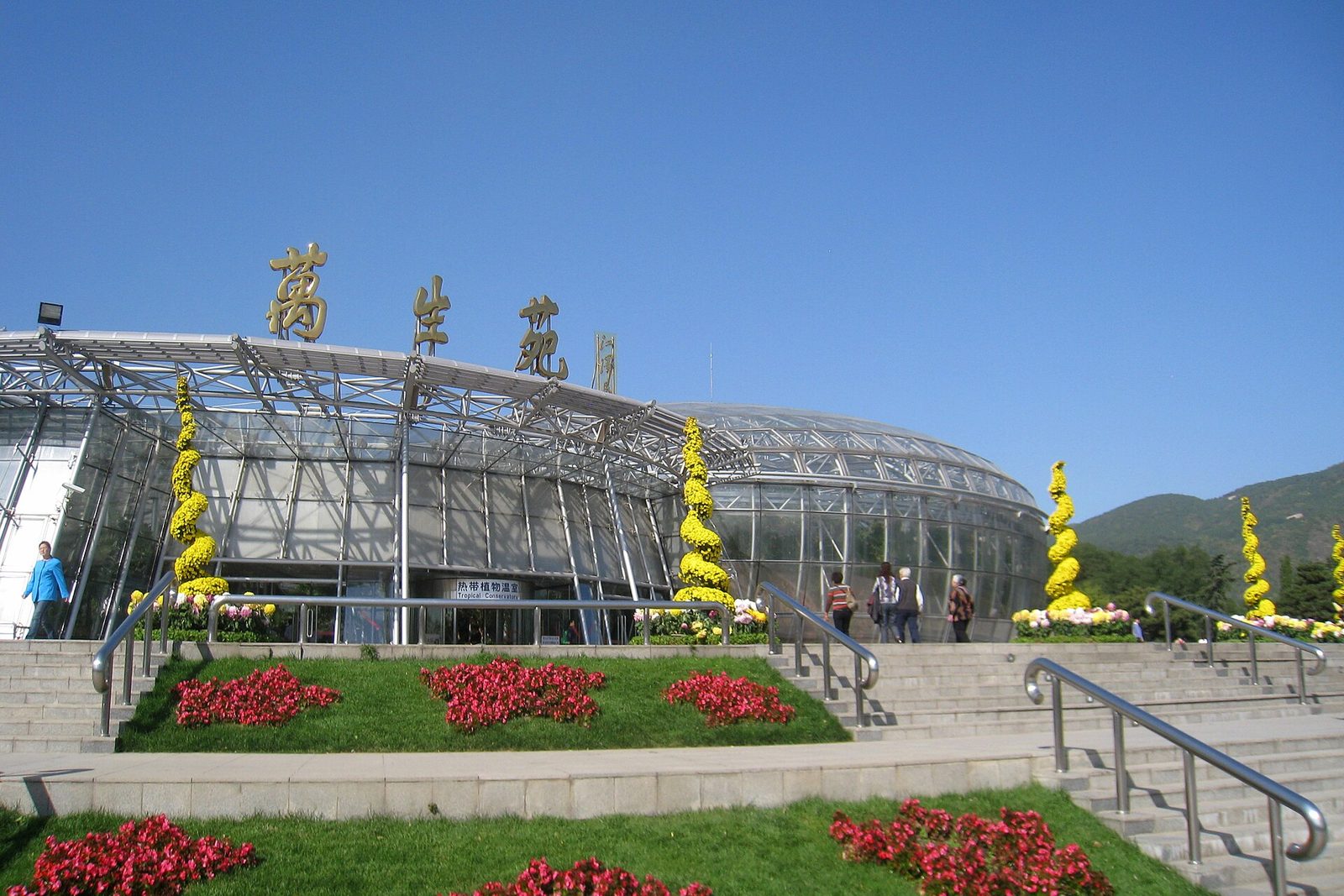
The Beijing Botanical Garden — now branded the National Botanical Garden — spreads across the western hills, mixing formal gardens, woodland paths and the Sleeping Buddha Temple with a Cao Xueqin memorial. Cherry blossom in spring and fiery red leaves in autumn are the two headline seasons, and the glass conservatory is a year-round draw. This guide covers tickets, the separate conservatory ticket, and the long but rewarding trip out west.
The garden grounds are walk-in with a passport-style ID check at the gate, but the glass conservatory sells a separate timed ticket that is worth booking ahead in blossom season. There is no foreigner-only window, so bring your passport.
Line 10 to Bagou, then transfer to the Xijiao Line tram (Xijiao Line) to Botanical Garden (Zhiwuyuan) Station; the south gate is a short walk. The 318 or 360 bus also reaches the gate.
Show the driver 北京植物园 南门 (the south gate).
Enter at the south gate. The site is large; the temple, conservatory and memorial branch off the main north–south path.
A 7th-century temple rebuilt under the Qing, centred on a 5-metre recumbent bronze Buddha flanked by twelve disciples. The wooded approach and quiet halls make it the garden's calmest corner.
A vast climate-controlled glasshouse holding desert, tropical and aquatic plants under one roof. It needs its own ticket, but it is the best reason to visit outside blossom season and in the depths of winter.
Hundreds of cherry trees line the main approach and burst in late March to mid-April. This is the garden's signature season and the reason most Beijing families make the trip.
A modest courtyard museum devoted to the author of Dream of the Red Chamber, who lived near these western hills. Small, but a neat cultural counterpoint to the flowers, with seasonal exhibits on the novel's world.
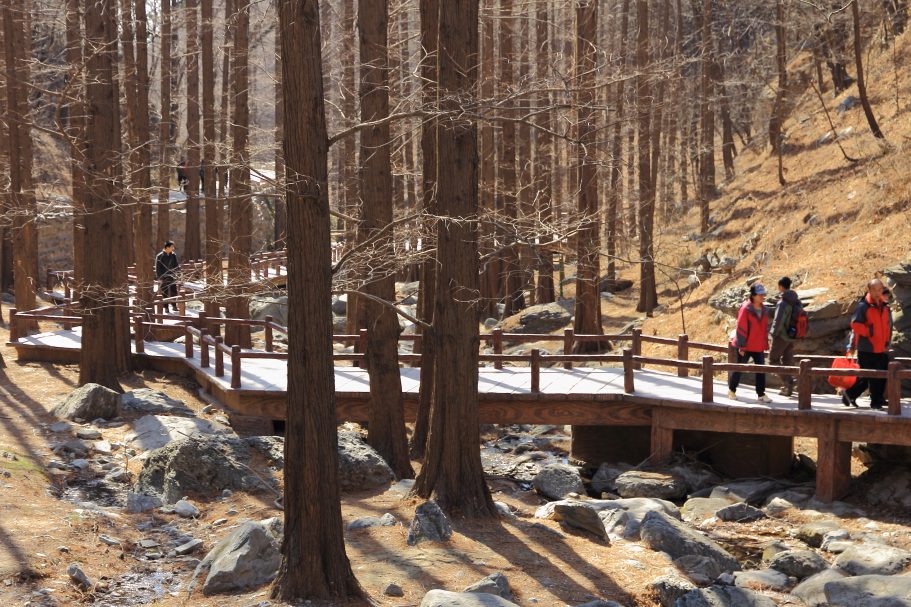
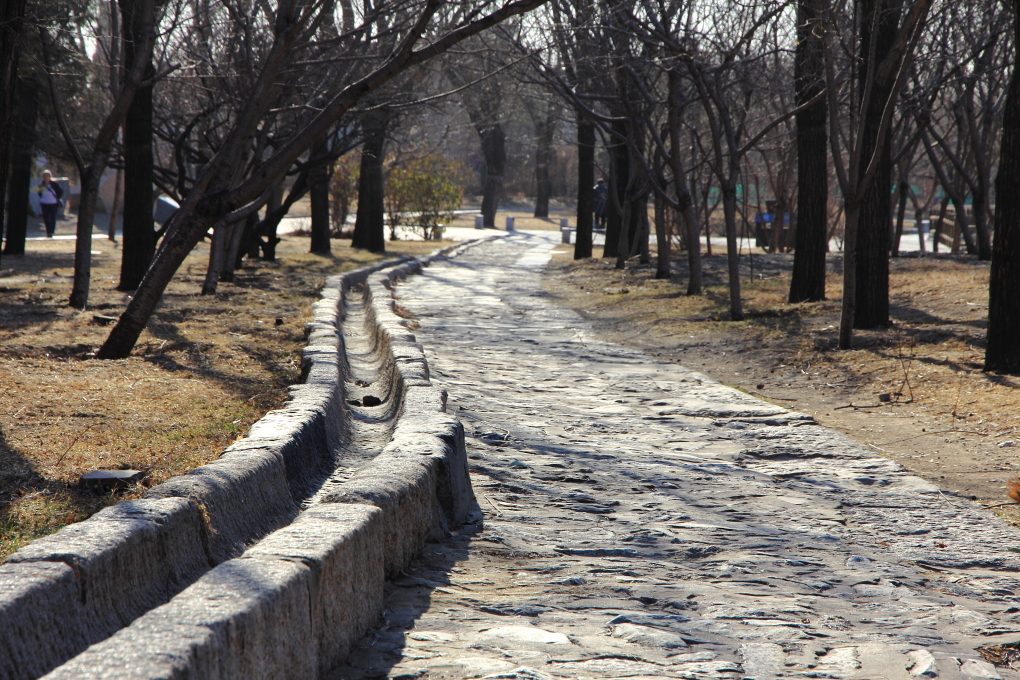
The site began as an imperial manor and plant nursery under the Qing dynasty, with the Sleeping Buddha Temple as its spiritual anchor. After 1949 the area was developed into a public botanical garden, and a major expansion in the 1950s laid out the woodland paths and themed collections visitors walk today. The 2000s added the large glass conservatory that now anchors the winter and summer visits.
The Sleeping Buddha Temple (Wofosi) predates the garden by centuries — founded around the Tang era and rebuilt under the Ming and Qing. The recumbent Buddha and its twelve disciple statues survived the 20th century's upheavals better than many Beijing temples, though the surrounding halls were restored piecemeal. The garden itself stayed open through the reform era and became a weekend fixture for Beijing families seeking green space.
In 2022 the site was formally branded the National Botanical Garden, signalling a step up in scientific and conservation status. It now holds thousands of plant species across its grounds and glasshouses. Expect crowds in blossom season and near-empty paths on a winter weekday. The rebrand has brought fresher signage and smarter cafes, but the bones are the same beloved municipal garden.
The grounds are walk-in with a passport ID check, but the glass conservatory sells a separate timed ticket worth booking ahead in blossom season. There is no foreigner window, so bring your passport for the gate scanner.
The grounds ticket is around CNY 10, and the glass conservatory is a separate CNY 50 or so. Prices shift by season, so confirm the current figure on the official WeChat account before you travel.
Allow half a day: an hour at the temple, an hour in the conservatory, and time for the cherry avenue and memorial. Keen gardeners can stretch it to a full day, especially in blossom season.
Late March to mid-April for cherry blossom, and October for red leaves. Both weekends are crowded; a weekday morning is calmer and the light is better. The conservatory makes winter visits worthwhile too, so the garden works in any season.
Yes if you like gardens, temples or quiet woodland and don't mind the commute. It is not a quick central stop — budget 90 minutes each way. Think half-day nature escape, not a sightseeing tick-box.