
Beijing History Gallery
The core narrative gallery walks from Neolithic settlements through the Yuan, Ming and Qing capital, with maps, models and artefacts. It is the single best primer on how the city took its shape.
Capital Museum: Beijing's best intro — porcelain, folk life and Buddhist statues
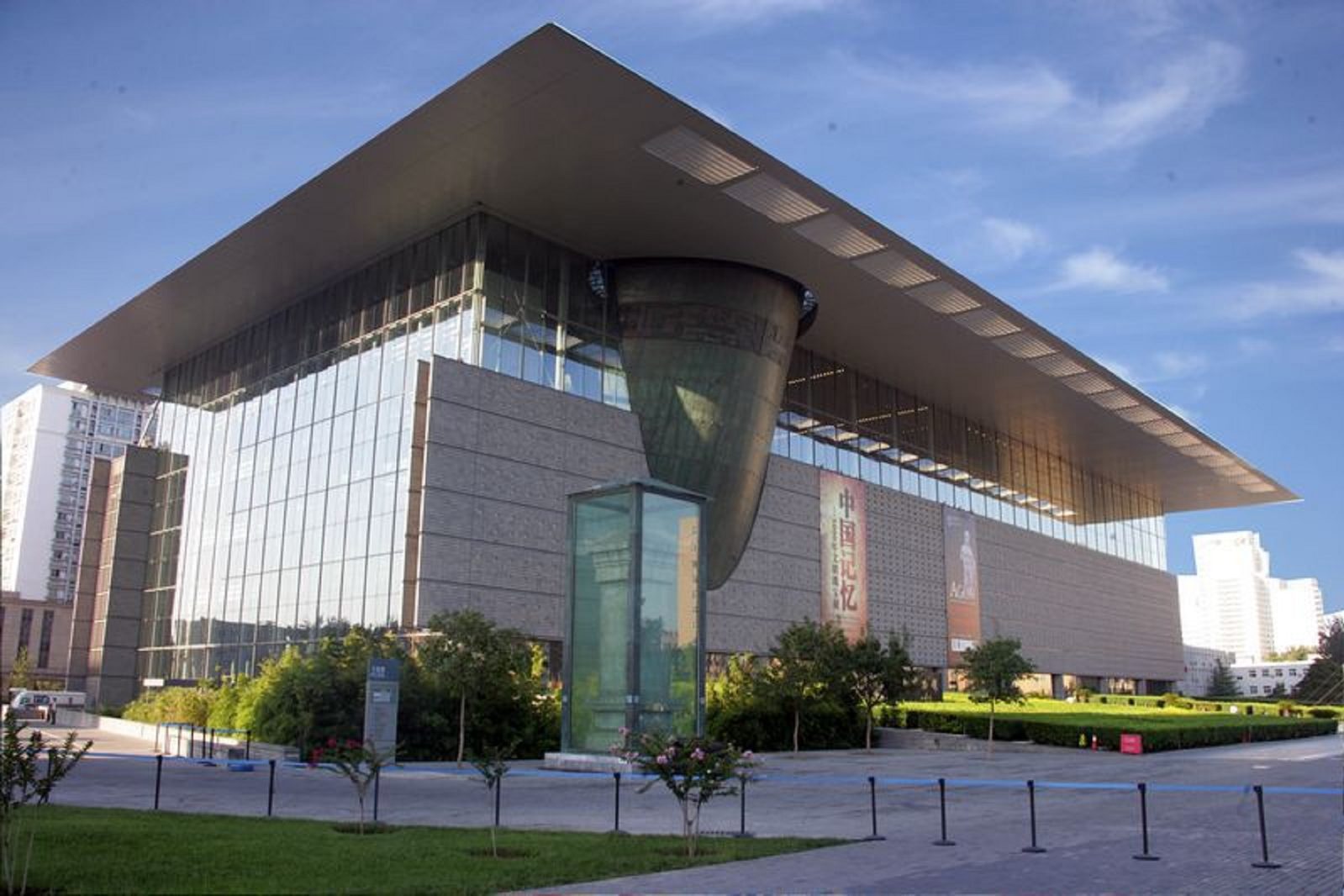
The Capital Museum is Beijing's best single introduction to the city itself — its history, daily life and art — gathered in one calm, modern building near Muxidi. Entry is free but timed on passport ID, and it is closed on Mondays. This guide covers booking, the signature galleries and how to reach it on Line 1. Visit it before the imperial sights and the whole city will make more sense.
Entry is free but timed and tied to your passport number, booked through the museum's official site or WeChat. Slots open a few days ahead and the museum is popular, so reserve early and bring the same passport to the scanner.
Line 1 to Muxidi (Muxidi) Station, Exit C, then a signed 5-minute walk to the museum's main entrance.
Show the driver 首都博物馆 (the Capital Museum).
Enter at the main south entrance off Fuxingmenwai Avenue. The route flows upward through the floors; the folk-culture gallery is mid-level.
The core narrative gallery walks from Neolithic settlements through the Yuan, Ming and Qing capital, with maps, models and artefacts. It is the single best primer on how the city took its shape.
A substantial collection of imperial porcelain — blue-and-white, doucai and monochrome wares — displayed in calm, well-lit cases. This is the museum's most photographically rewarding holding, and the labels explain each kiln and reign with care.
Recreated courtyard rooms, festival objects and everyday crafts show how ordinary Beijingers lived. It is the warm, human counterpoint to the imperial porcelain and jade upstairs, and the section most visitors remember longest.
A quiet hall of gilt and stone Buddhist statues, some large and serene, traces devotion across dynasties. The lighting and spacing make it the museum's most contemplative space, and a calm finale before the busy exit.
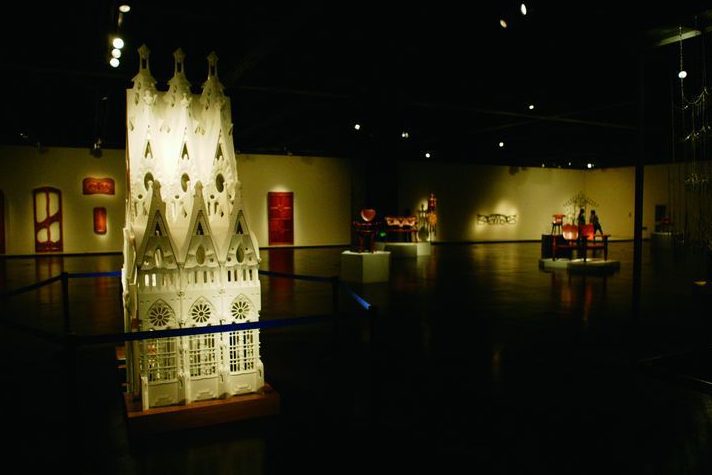
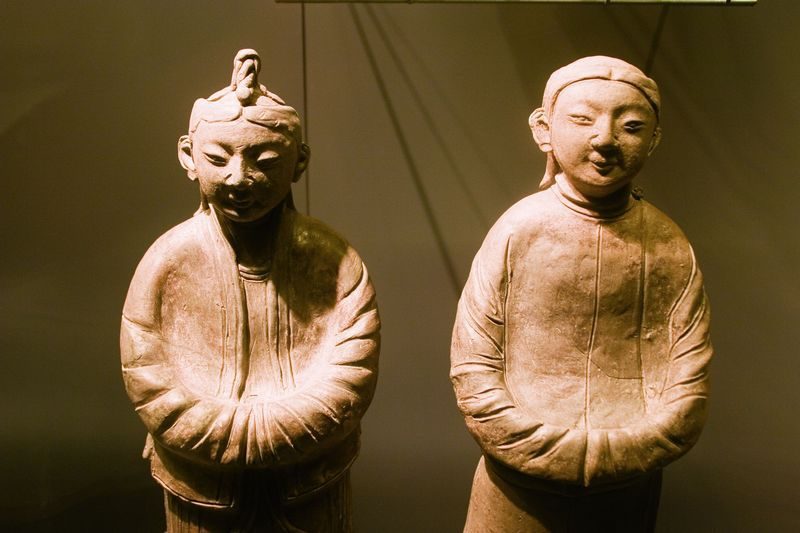
The Capital Museum was founded in 1981 to hold Beijing's local artefacts, then rebuilt in its current Fuxingmenwai location and reopened in 2005 as a large, purpose-built institution. Its design blends a modern shell with a traditional courtyard sensibility meant to echo the city it documents. The bronze, porcelain and jade holdings anchor the collection. It remains the capital's principal civic-history museum.
The collections grew from municipal excavations, donations and transfers from older institutions, spanning Neolithic tools to Qing court objects. Unlike the Forbidden City, it tells the story of the city's people and streets rather than its emperors alone, with strong folk and decorative-arts holdings. The folk gallery recreates courtyard homes with real period furnishings. The porcelain and jade are particular strengths.
Today the museum draws both locals and visitors, free but timed, and is closed weekly on Mondays. Its calm, uncrowded galleries make it the ideal first stop before the imperial sights. The building itself, with its central courtyard, is worth the visit. Allow two to three hours to do the core floors justice. Go before the Forbidden City and the layout of the old capital clicks.
Yes. Entry is free but timed on your passport ID, booked via the official site or WeChat a few days ahead. There is no walk-up window for foreign ID, and the museum is closed on Mondays, so plan around that.
General admission is free with a timed passport booking. Only some touring or special exhibitions carry a small separate fee. There is no foreigner surcharge, so the price is identical to that paid by domestic visitors.
Allow two to three hours for the history, porcelain and folk galleries plus the Buddhist hall. Keen visitors can stretch to half a day. Arrive at your slot opening to enjoy the calm before school groups.
Any season works — it is fully indoors. Weekday afternoons are calmest; mornings and holidays get busy with school groups. Avoid Mondays entirely, when it is closed along with most other Beijing museums, so plan your museum days around the week.
Easily, and ideally before the imperial sights — it explains the city you are about to walk. Free, calm and well curated, it suits history lovers more than thrill-seekers. Skip it only if museums leave you cold.