
Ruifuxiang silk (瑞蚨祥)
Founded in 1893, this surviving old-name store still sells fine Chinese silk, qipao fabric and tailored clothing. It is the best place in Dashilar to see the district's merchant heritage up close.
A Qing-era shopping street reborn, with old brands and a design quarter
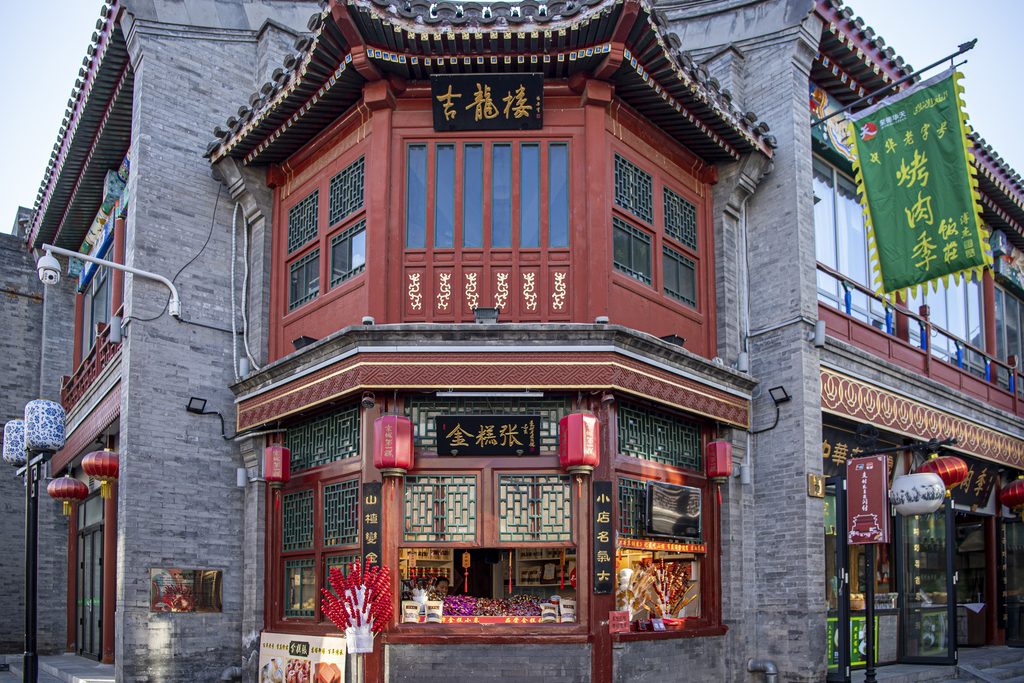
Dashilar — also written Dashilan — is a Qing-era commercial street just west of Qianmen, once the most fashionable shopping district in the city. Today it mixes century-old brand shops with a design-led regeneration called Beijing Fun. This guide covers the surviving old-name stores, the quieter Yangmeizhu Xiejie lane beside it, and how to pair Dashilar with Qianmen Street and Liulichang.
Dashilar is a public street with no entry fee or reservation, so there is nothing to book. The only planning worth doing is allowing time for the shops and the Beijing Fun quarter, and deciding whether to join a Qianmen-area walk that passes through.
Metro Line 2 or 8 to Qianmen Station (Exit C); Dashilar begins a 5-minute walk west along the lane signposted 大栅栏.
Show the driver 大栅栏 (Dashilar), near Qianmen. Say 'Da-shi-la' clearly as the characters differ from the pinyin.
Enter from Qianmen Street in the east or the west gate off Zhushikou. The main street runs east–west and links to Yangmeizhu Xiejie on the south side.
Founded in 1893, this surviving old-name store still sells fine Chinese silk, qipao fabric and tailored clothing. It is the best place in Dashilar to see the district's merchant heritage up close.
A famous Qing-era pharmacy established in 1669, still dispensing traditional medicine from its original-style counter. The wood fittings and herbal smell are themselves a period piece.
Shoemakers since 1853, known for hand-stitched cloth and silk shoes. The shop is a small museum of footwear as much as a store, and a genuine survivor of old Beijing commerce.
The quieter diagonal lane just south of the main street, now home to bookshops, galleries and cafés. It is the more design-led, less touristy side of the Dashilar revival.
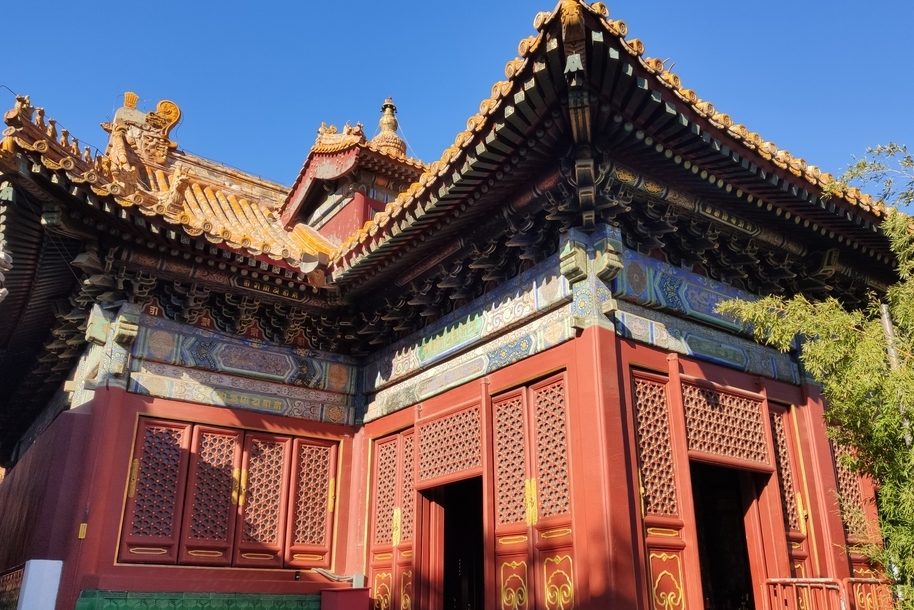
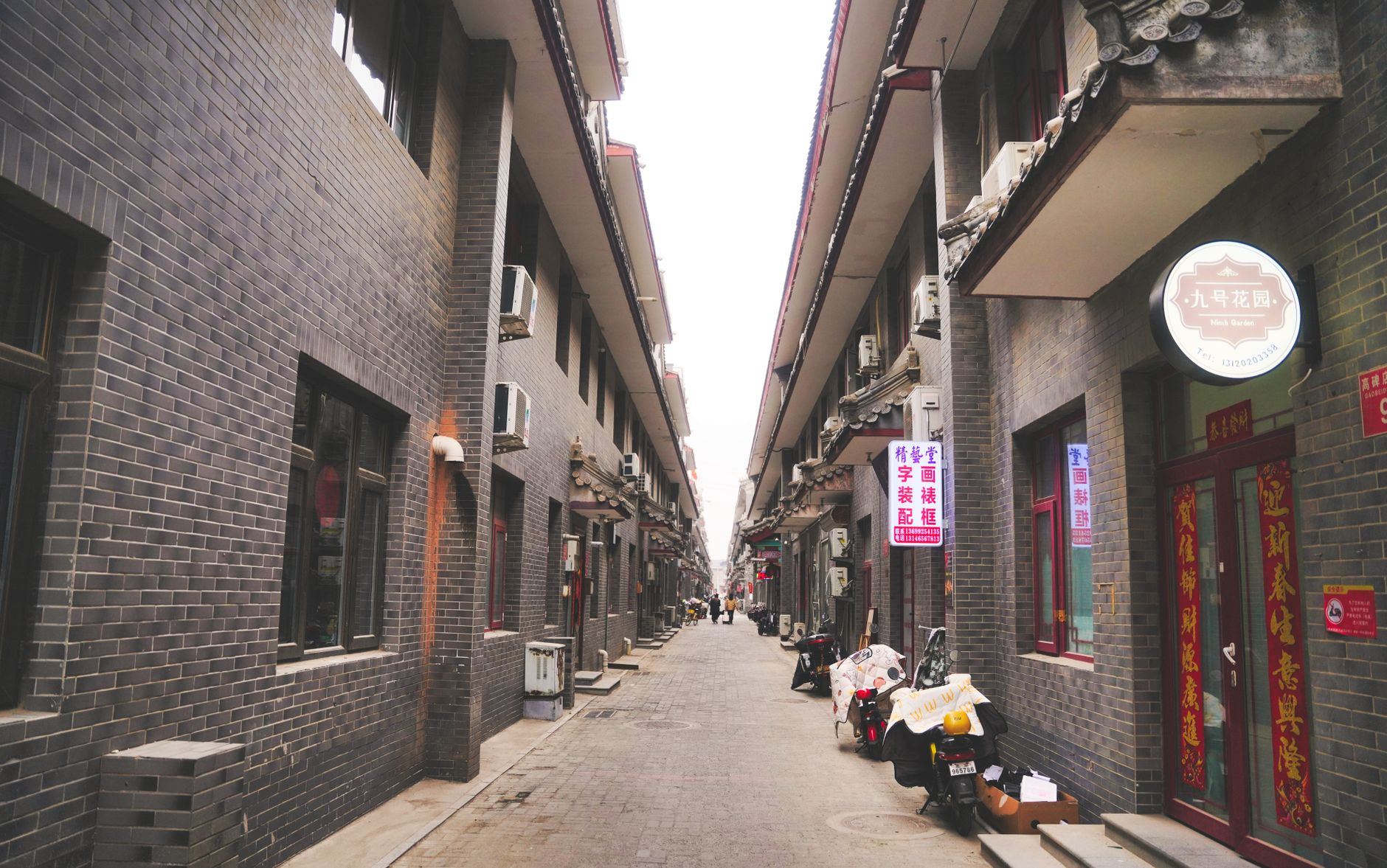
Dashilar grew up in the Ming and Qing dynasties just outside the Qianmen gate, where merchants were pushed to trade outside the inner city. By the Qing it was the city's premier shopping street, packed with tea houses, theatres and the shops of wealthy guilds.
The great old-name brands clustered here in the 19th century — Tongrentang in 1669, Neiliansheng in 1853, Ruifuxiang in 1893 — and the street thrived until war and upheaval in the 20th century reduced it to a faded backwater. Many original shopfronts survived behind later façades.
Since the 2010s the area has been revived through the Beijing Fun regeneration, blending restored lanes with design studios, galleries and cafés. Dashilar today is a protected historic-commercial district where Qing-era trade names sit alongside a genuinely contemporary creative quarter.
Yes. It is a public street with no ticket or booking, and no passport check. You pay only for what you buy in the shops. The Beijing Fun quarter and Yangmeizhu Xiejie lane are also free to walk.
The three flagship survivors are Ruifuxiang silk (1893), Tongrentang pharmacy (1669) and Neiliansheng shoes (1853). All are still trading from period premises and give you the clearest sense of the district's Qing-era merchant past.
Two to three hours lets you walk the main street, browse the old-name shops and explore Yangmeizhu Xiejie and Beijing Fun. Add Liulichang nearby and a half day is comfortable without rushing.
Weekday afternoons in spring and autumn are calmest and best for photos. Weekends and holidays are crowded. Mornings let you catch the old shops as they open, before the tour groups arrive.
Dashilar is flatter and more history-led, built around real Qing-era shops and a design quarter, while Nanluoguxiang is a livelier hutong bar-and-café strip. Dashilar suits shoppers and history; Nanluoguxiang suits atmosphere and nightlife. They are about 20 minutes apart.