
The Yongle Bell
A 15th-century bronze bell over 46 tonnes and roughly 6.75 metres tall, cast under the Yongle Emperor and inscribed with hundreds of thousands of Buddhist characters.
Home of the Yongle Bell, a 46-tonne bronze cast in the 15th century
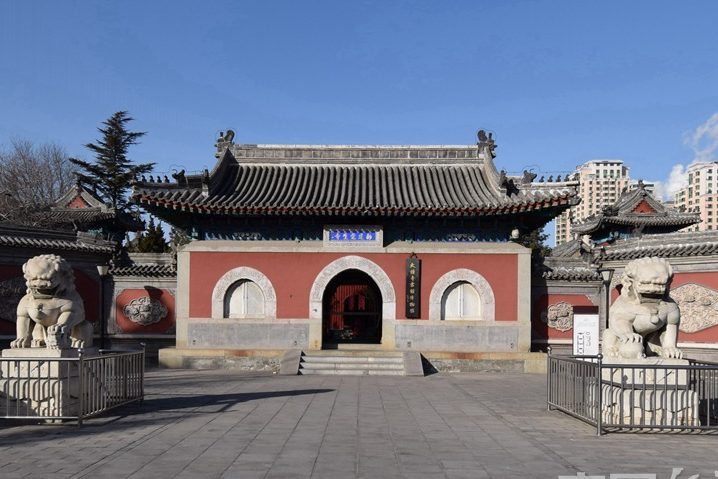
Dazhong Temple, also called Big Bell Temple, is now the Ancient Bell Museum and home to the Yongle Bell — a 15th-century bronze weighing more than 46 tonnes and inscribed with around 230,000 Buddhist characters. This guide covers opening hours, the small ticket, how to get there, and what makes the bell one of the largest of its kind in the world.
The temple-museum sells tickets at the gate and does not require advance booking. Carry your passport in case ID is recorded. The site is a museum first and a temple second, so the visit is orderly and quick to plan.
Metro Line 13 to Dazhongsi (Exit A), then a short walk south to the temple gate on the east side of the line.
Show the driver 大钟寺 (Dazhong Si) or 大钟寺古钟博物馆 (Big Bell Temple Ancient Bell Museum).
Enter at the main south gate. The visit follows a set museum route through pavilions to the bell hall; exit the same gate.
A 15th-century bronze bell over 46 tonnes and roughly 6.75 metres tall, cast under the Yongle Emperor and inscribed with hundreds of thousands of Buddhist characters.
The great bell hangs in a tall wooden pavilion built to suspend and occasionally sound it — the architectural centrepiece of the museum.
A collection of bells from across China and periods, explaining casting, tuning and ritual use in one compact route.
The converted Ketian Monastery keeps a few original halls and a calm courtyard setting beside the busy Line 13 corridor.
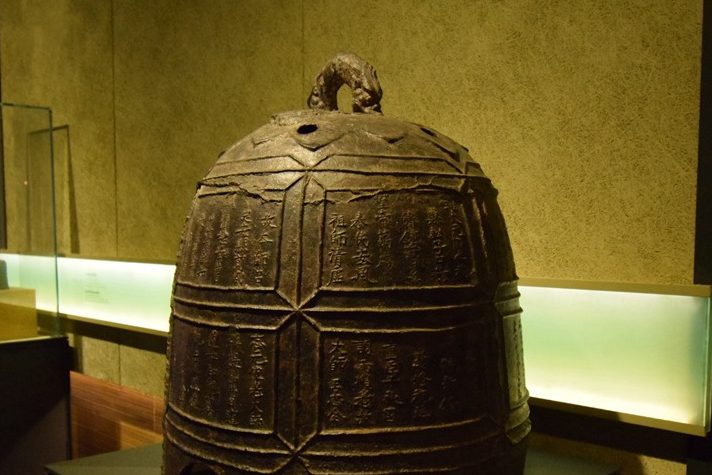
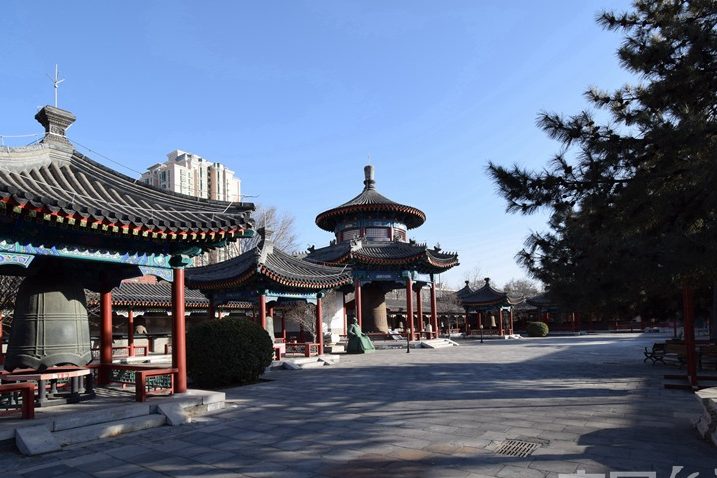
Dazhong Temple, or the Temple of the Great Bell, began as the Ketian Monastery in the Ming dynasty. It took its lasting name after the Yongle Bell — cast around 1403–1424 under the Yongle Emperor — was moved here, and a special two-storey pavilion was built to hang the enormous bronze.
The Yongle Bell is one of the largest bronze bells in the world, weighing more than 46 tonnes and standing nearly seven metres tall, its outer face covered with around 230,000 carved Buddhist scriptures. In the Qing it was struck for ceremonial and weather-ritual purposes, and the site became known across the city for its deep tone.
In the 20th century the monastery was reorganised as the Ancient Bell Museum, preserving the bell and gathering other examples of Chinese bell-casting. Today it is a quiet, specialist museum on the city's north-west edge — a single object of astonishing scale wrapped in a modest temple setting.
No. Tickets are sold at the gate and there is no advance booking for foreign visitors. Carry your passport in case ID is recorded, and simply buy a paper ticket on arrival at the window.
Around CNY 20 at the gate, though the price can change, so confirm on the notice when you arrive. The ticket covers the museum route and the Yongle Bell pavilion.
One to ninety minutes covers the museum and the great bell. It is a compact, specialist stop rather than a half-day destination, and the route is clearly signed.
Spring and autumn are most pleasant. The museum closes on Mondays, so avoid that day, and weekday mornings are quietest. Check locally for any bell-ringing demonstration schedule.
Yes, for travellers curious about Chinese craft and scale. The Yongle Bell is genuinely one of the world's largest bronze bells, and the museum tells a focused, rewarding story — but it is narrow in scope, not a grand temple.