
The 13 parallel hutongs
The main lane is crossed by 13 narrower alleys at strict right angles, eight to the east and five to the west. These side lanes hold the quieter courtyards and the best independent shops.
Beijing's most famous hutong street — best before the crowds arrive
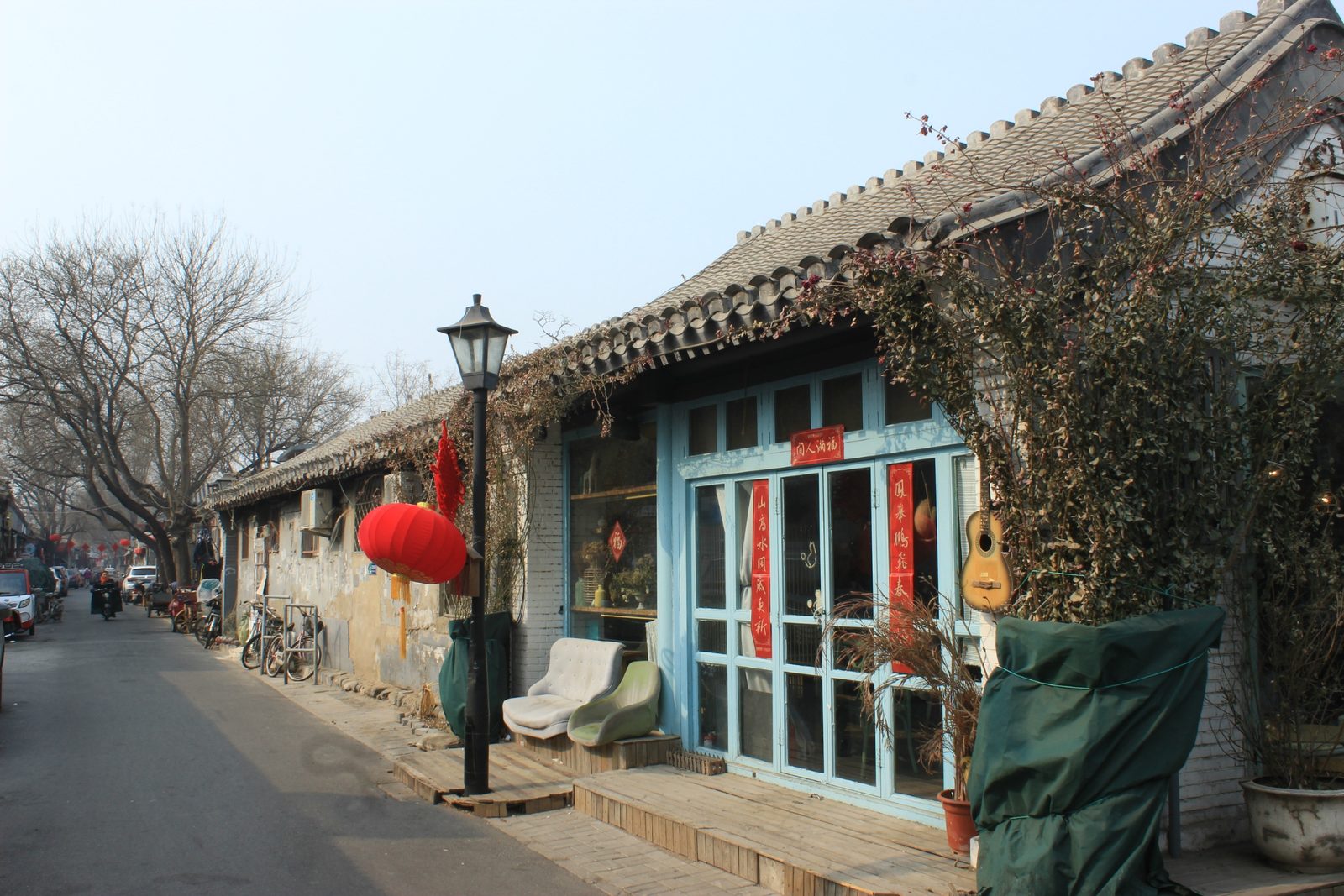
Nanluoguxiang is an 800-metre lane running north from the Drum and Bell Towers, flanked by 13 narrower hutongs at precise right angles. It is the most famous hutong shopping street in Beijing, packed with cafés, bars and souvenir shops — and, frankly, heavily commercialised. This guide tells you when to go, which side alleys keep the old hutong feel, and how to pair it with Shichahai.
Nanluoguxiang is a public lane, not a ticketed site, so there is nothing to reserve. The only planning worth doing is timing: the lane is open day and night, but the shops and cafés keep their own hours.
Metro Line 6 or 8 to Nanluoguxiang Station (Exit E); the lane begins a 2-minute walk north.
Show the driver 南锣鼓巷 (Nanluoguxiang). Most know it; ask to be dropped at the south or north entrance.
Enter at either end — south near Jiaodaokou or north by the Drum Tower. The lane is a straight walk with side alleys branching east and west.
The main lane is crossed by 13 narrower alleys at strict right angles, eight to the east and five to the west. These side lanes hold the quieter courtyards and the best independent shops.
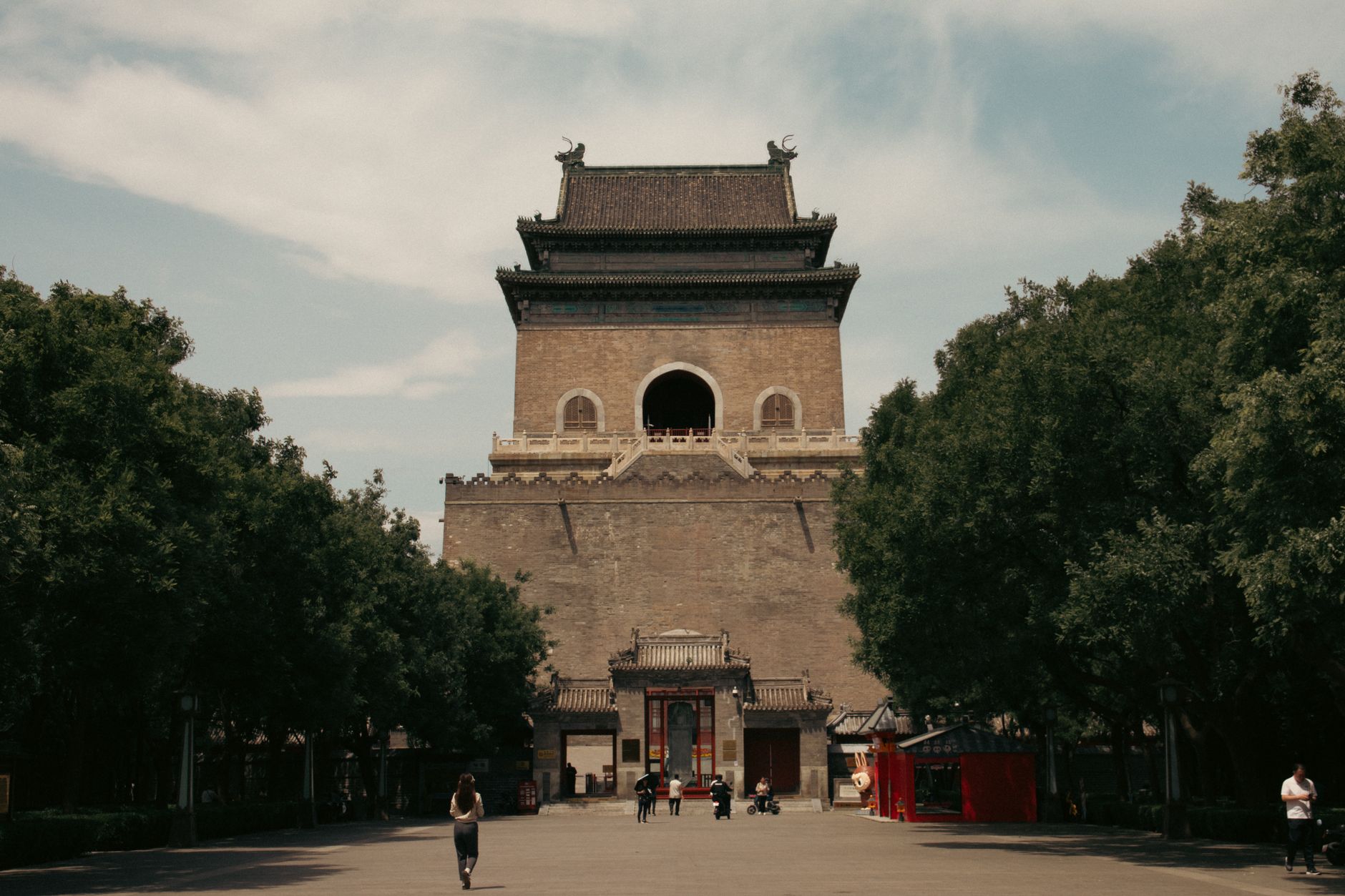
At the north end of the lane stand the Ming-era Drum Tower and Bell Tower, the old timekeeping centre of the city. Climb the Drum Tower for a rooftop view down the lane.
The most atmospheric of the eastern side alleys, with preserved courtyard homes and a quieter pace. It is where the real hutong character survives away from the main drag.
A side alley known for its 1990s courtyard-housing experiment that blended old hutong form with modern blocks. Worth a look for the architecture more than the shops.
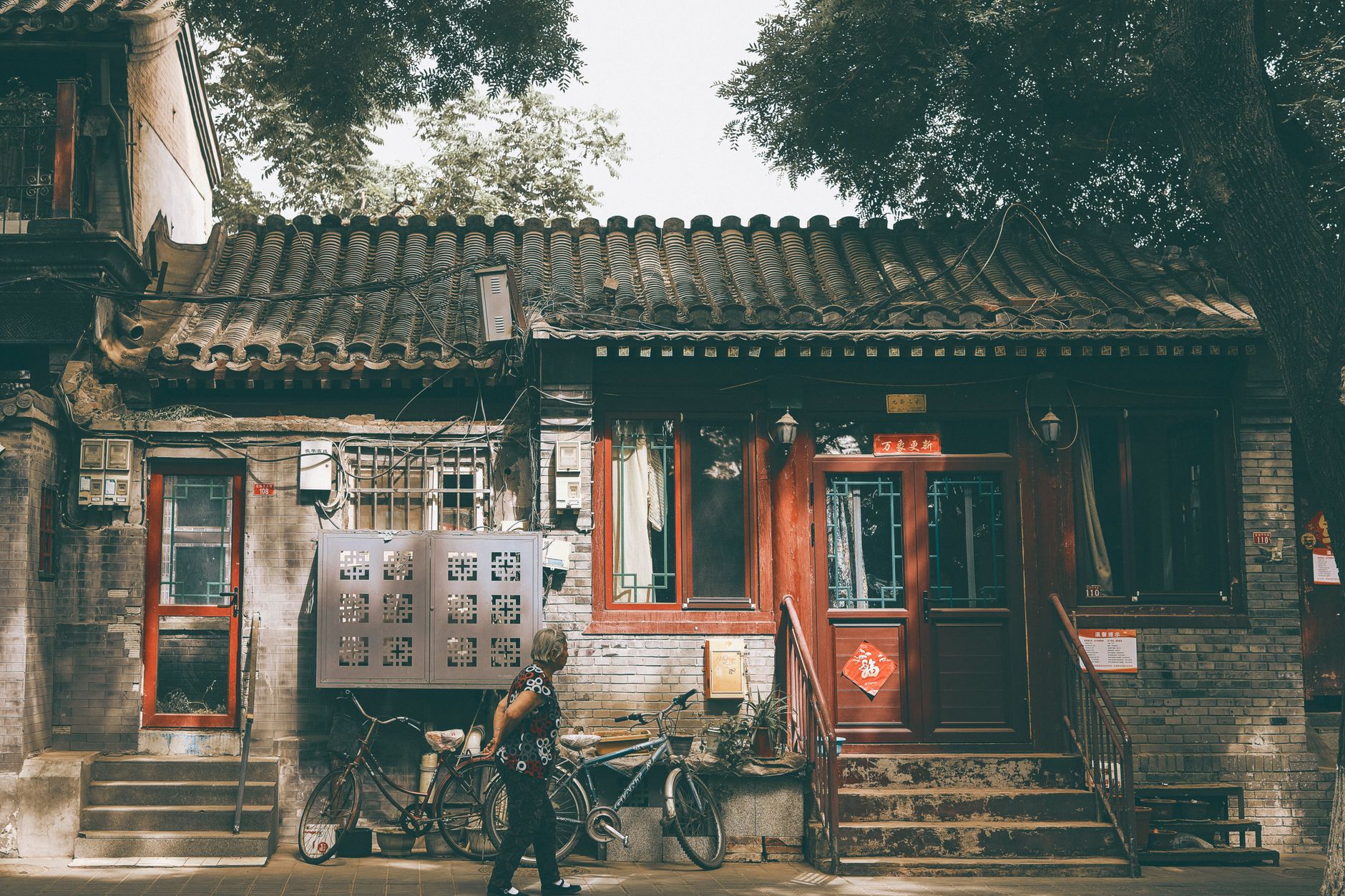
Nanluoguxiang follows a street plan laid down in the Yuan dynasty (1271–1368), when Kublai Khan's planners set the lane on a precise north–south axis east of the imperial city. Its grid of 13 side alleys has changed little in 700 years, making it one of the best-preserved hutong layouts in central Beijing.
Through the Ming and Qing dynasties the lane sat inside the inner city and attracted officials and merchants, with many courtyard residences built along the side alleys. In the 20th century it declined into cramped shared housing, then from the early 2000s was revived as a commercial and bar street, gentrifying rapidly.
Today the lane is a protected historic area and one of Beijing's busiest tourist strips, drawing tens of thousands of visitors on a weekend day. Beneath the cafés and souvenir stalls, the Yuan grid and many original courtyard walls remain, and the side alleys still show the old hutong rhythm.
Yes. It is a public lane with no ticket or booking. You simply walk in. Individual shops, cafés and bars set their own prices, but there is no entry fee and no passport check.
Early morning on a weekday gives you the lane almost to yourself and the best light for photos. Late evening is lively but crowded. Weekends and holidays are the worst for crowds, so avoid the midday peak.
About 90 minutes to two hours if you include a couple of side alleys. Add more if you stop for coffee or brunch. The lane itself is an easy, flat 800-metre walk end to end.
Absolutely. The central lane is commercialised, but the 13 side alleys — especially Mao'er and Ju'er — keep the old courtyard character and hold the best independent shops and quieter cafés. Wander at least one or two.
It is commercialised, and the main lane can feel like a tourist mall. But its Yuan-era grid and the side alleys are genuine, and it pairs well with Shichahai. Go early or on a weekday and treat the side lanes as the real attraction.