Old Summer Palace (Yuanmingyuan): Ruins Visitor Guide
Walk the ruined European fountains and lakes of a lost imperial garden
Photo:
Beijing Municipal Government
The Old Summer Palace, known as Yuanmingyuan, was the Qing emperors' vast garden complex, largely destroyed by Anglo-French troops in 1860. Today it is mostly parkland, lakes and the famous European-style ruins at Dashuifa, not a standing palace. This honest guide explains what to expect, why the ruins matter, and how to reach the western ruins by shuttle from the metro gate. Allow two to three hours, and wear comfortable shoes for the long western walk.
Quick Facts
Opening hours
07:00–19:00 (Apr–Oct) · 07:00–17:30 (Nov–Mar)
Last entry
17:30 (Apr–Oct) · 17:00 (Nov–Mar)
Closed
Open daily
Suggested time
2–3 hours
Ticket price
CNY 10 park · extra for the ruins area
Best season
Summer for lotus on the lakes
Booking
Passport ID recommended — book online
Nearest metro
Line 4, Yuanmingyuan (Exit B)
Do You Need to Book?
Entry is cheap and usually walk-in, but the park uses real-name ticketing online against your passport, and the European ruins zone needs a separate add-on ticket. Book online in peak season to skip the gate queue and guarantee ruins access.
Use the official Yuanmingyuan WeChat mini-program or ticketing site; enter your passport number.
Buy the base park ticket, then add the European ruins (Dashuifa) zone ticket if you want the stonework.
Pick a date; timed entry applies mainly in peak periods and holidays.
Arrive at the Yuanmingyuan metro Exit B gate and scan your passport at the turnstile.
Take the park shuttle or rent a cart to reach the western ruins, which are far from the gate.
Getting There
🚇
By metro
Metro Line 4 to Yuanmingyuan (Exit B); the main gate is a short walk, but the western ruins are a long way inside — take the shuttle.
🚕
By taxi
圆明园 遗址公园 (Yuanmingyuan ruins park). For the west gate use 圆明园 西宫门.
🚪
Entrances
Enter at the east/main gate near the metro; the route to the Dashuifa ruins is via paths and a one-way shuttle loop.
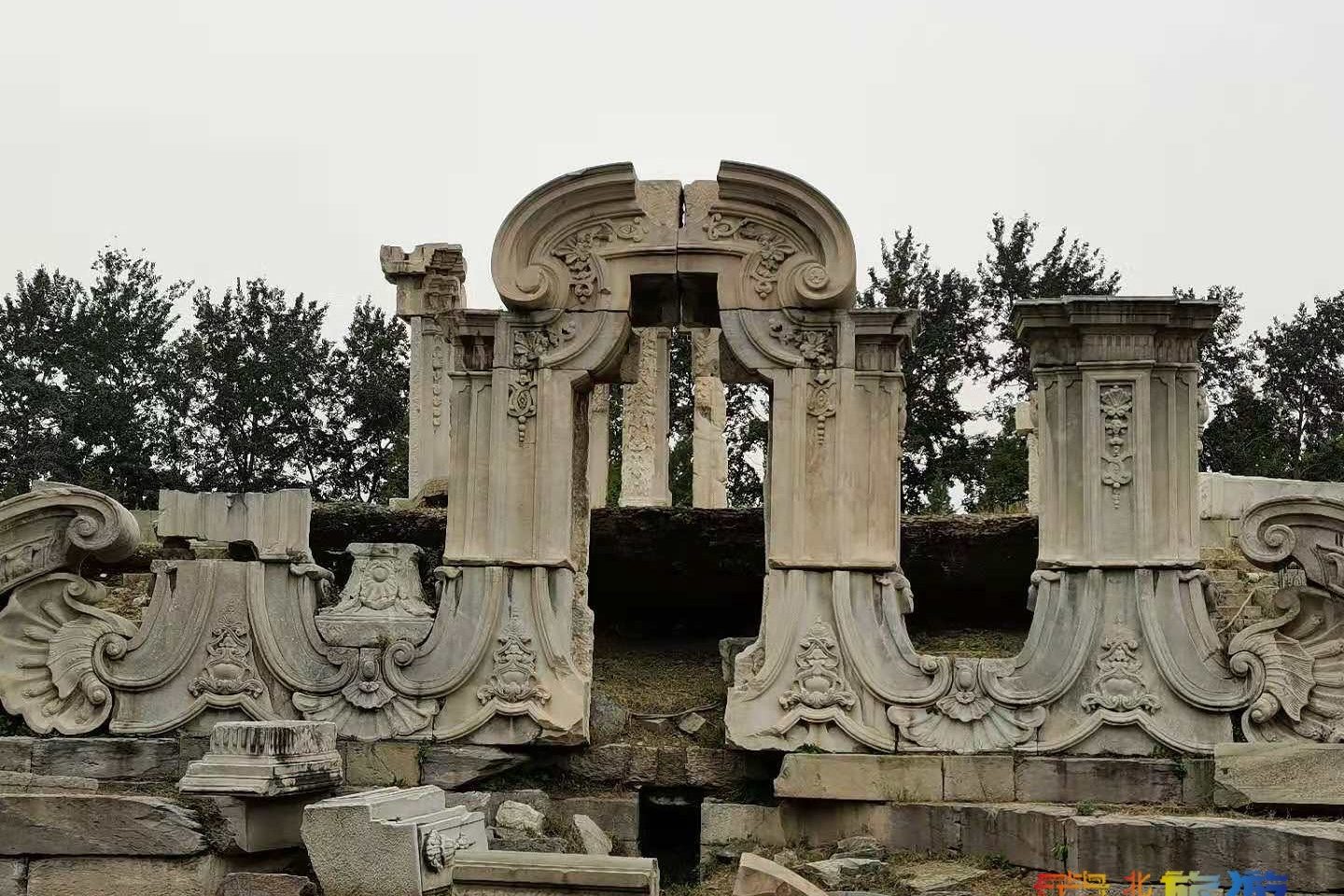
The broken European-style stone arches and basins mark where a Baroque fountain once played for the court. It is the park's most photographed and symbolic relic, a deliberate memorial to the destruction of 1860 rather than a restored showpiece.
The Western-style Mansions
A cluster of ruined stone pavilions, mazes and waterworks was built by European Jesuits for the Qianlong emperor in the mid-18th century. The surviving shells hint at a garden that blended Chinese and Western design with real ambition.
Lakes and Lotus
Wide reconstructed lakes fill the grounds, and in summer they turn pink and white with lotus, a calm and colourful contrast to the ruins nearby. Rent a cart or stroll the paths to reach the prettiest expanses.
The Great Fountain Court
An open paved ruin shows where the main cascade stood, now framed by boards explaining the 1860 destruction and the garden that once surrounded it. It is the clearest single spot to grasp what was lost here.
Photo Gallery
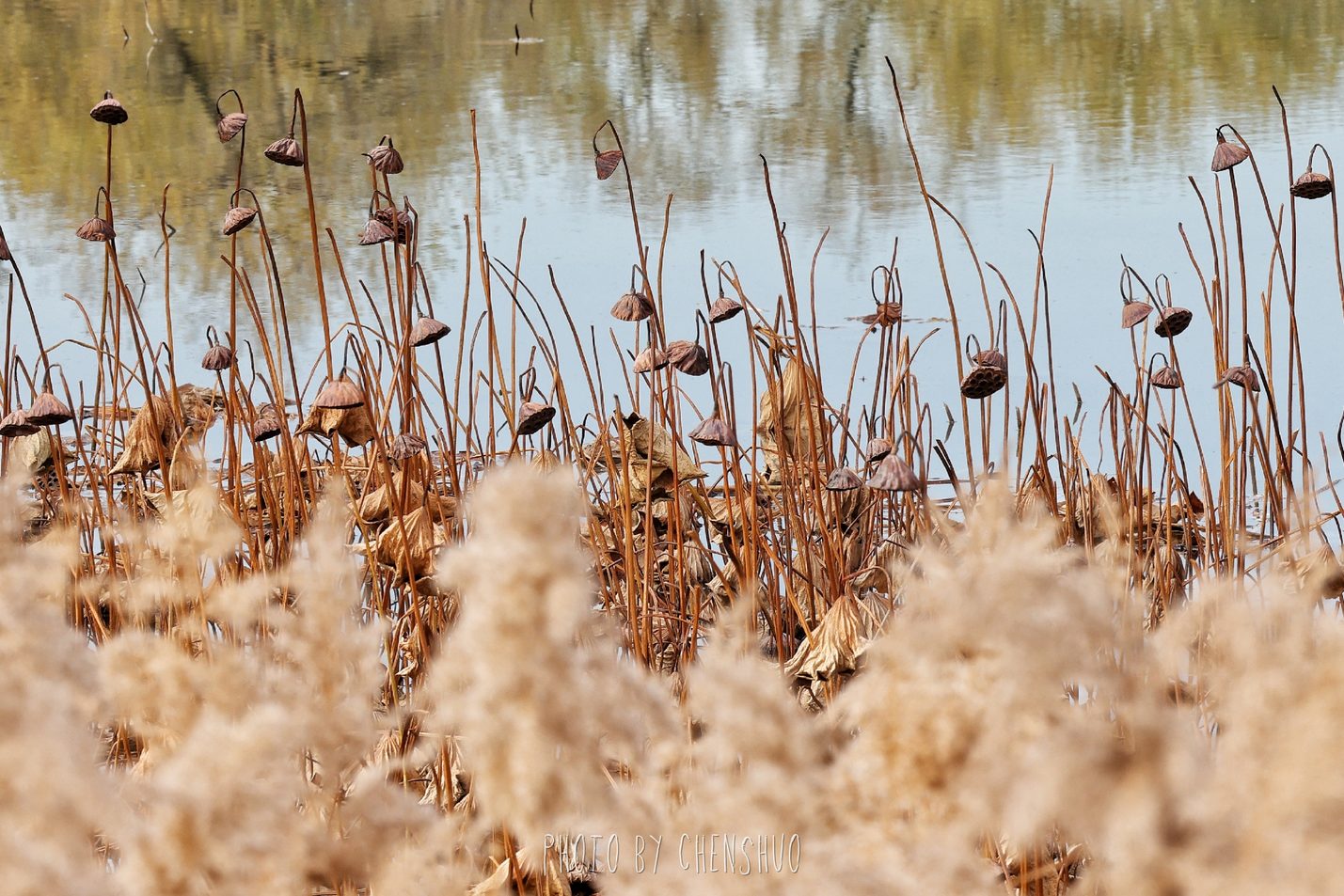
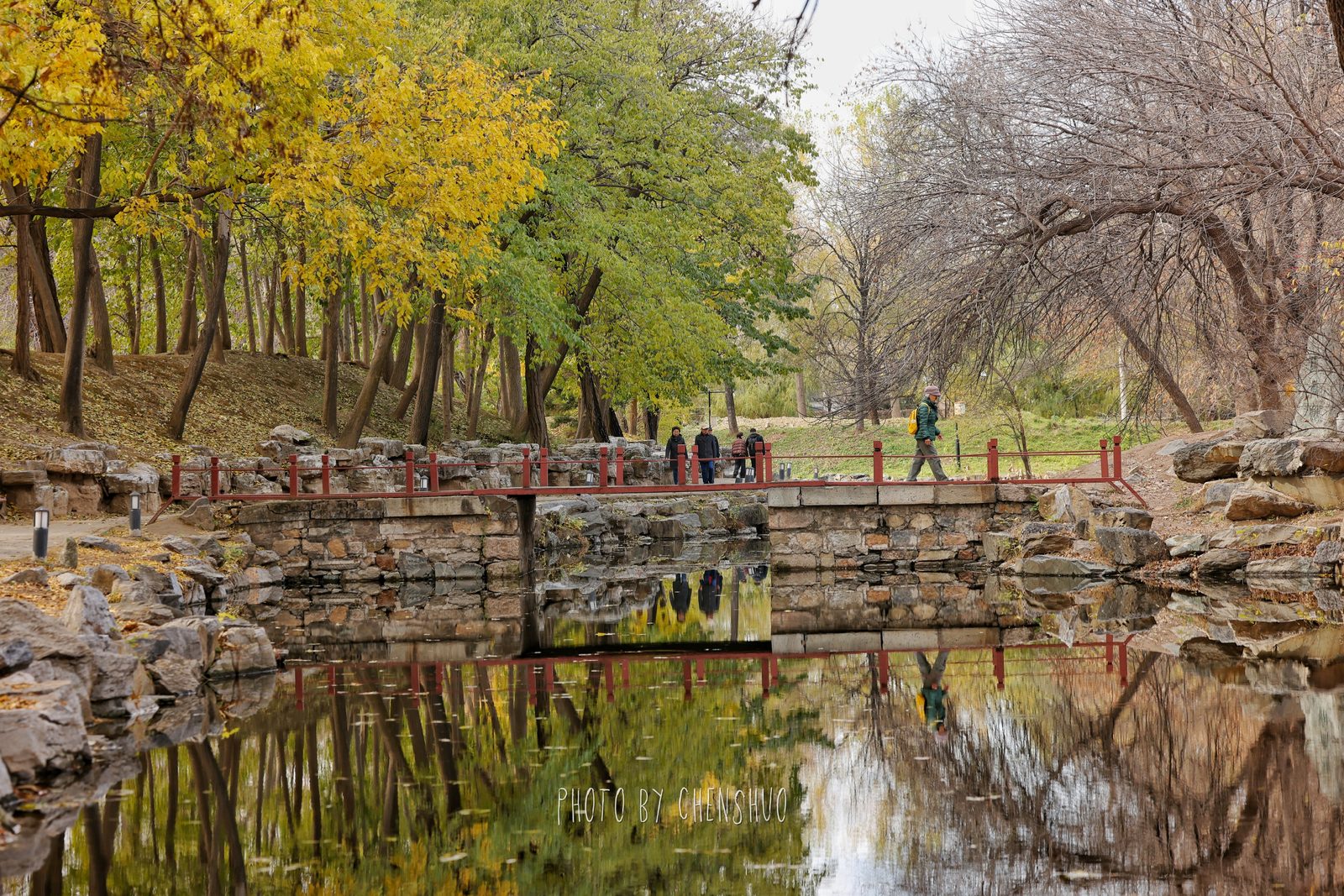
Golden reeds and autumn grasses standing in the still water of the Old Summer PalaceAutumn trees and weathered stonework reflected in the calm lakes of Yuanmingyuan
The Garden of Gardens, Lost in 1860
Yuanmingyuan - the 'Garden of Perfect Brightness' - was begun in the 1700s by the Yongzheng and Qianlong emperors as a sprawling retreat of lakes, hills and palaces northwest of the city. European Jesuit priests later added the Western-style mansions and fountains that made it famous across Europe. The European section was designed with help from Jesuit missionaries at the Qianlong court.
In October 1860, during the Second Opium War, Anglo-French troops looted and burned the complex over several days. What had been called the finest garden in the empire was reduced to scattered stone, an event still taught in China as a national humiliation and a lasting wound to national pride. The burning is remembered each year in Chinese schools as a moment of national humiliation.
The site was never fully rebuilt. Today it is a public park of 350 hectares where visitors walk among the surviving European ruins, rebuilt gateways and quiet waterways. A museum near the entrance documents the 1860 destruction with artefacts, old maps and period plans that help explain the scale of the loss. A few gatehouses were rebuilt in the 20th century, but the core was left as ruins on purpose.
Suggested Route
1. East Gate entryEnter at the main gate by Yuanmingyuan metro Exit B and pick up a map.
2. Take the shuttle westRide the electric cart to the Western Mansions area; walking from the gate is long and flat.
3. Dashuifa ruinsSpend time at the broken fountain court and the stone arches, the heart of the visit.
4. Lakeside lotus walkStroll the reconstructed lakes; in summer the lotus beds are the park's softest view.
5. Exit and link northLeave for the nearby Summer Palace, a short taxi ride, to compare ruin with restoration.
Mistakes to Avoid
Do not expect a standing palace — this is mostly parkland and stone ruins, not furnished halls.
Take the shuttle to the western ruins; walking from the gate is long and hot.
Buy the separate ruins ticket, or you cannot enter the Dashuifa enclosure.
Avoid high summer midday heat; the open ruins offer little shade.
Do not skip the on-site museum; it explains the 1860 destruction clearly.
Usually no, but the park sells real-name tickets online against your passport, and the western ruins zone needs an add-on. Booking online in peak season avoids the gate queue and secures your access to the Dashuifa enclosure.
How much does it cost?
Base entry is about CNY 10 off-peak, with a small extra charge for the European ruins area. It is one of the cheapest imperial sites in Beijing, though far less polished and furnished than the neighbouring Summer Palace.
How long should I spend?
Two to three hours covers the shuttle ride, the Dashuifa ruins and a lakeside walk. Add more if you want the museum and the lotus in summer, when the reconstructed lakes are at their most photogenic and peaceful.
When is the best time to go?
July and August for the lotus blooms, or autumn for cool, comfortable walking. Spring is pleasant too; avoid the harsh midday sun of high summer, when the open ruins offer very little shade or relief.
Is it worth visiting if I've seen the Summer Palace?
Yes, for a different story. The Summer Palace is restored and grand; Yuanmingyuan is honest about loss, with ruined fountains in a quiet park. Together they show both faces of Qing imperial life, ruin and restoration side by side.