
The weekend open-air spread
Saturday and Sunday unlock the largest outdoor section, hundreds of stalls of jade, snuff bottles, Mao-era memorabilia and furniture. Weekdays shrink to the covered arcade only.
A weekend sprawl of stalls selling jade, watches and reproductions — the hunt is the point
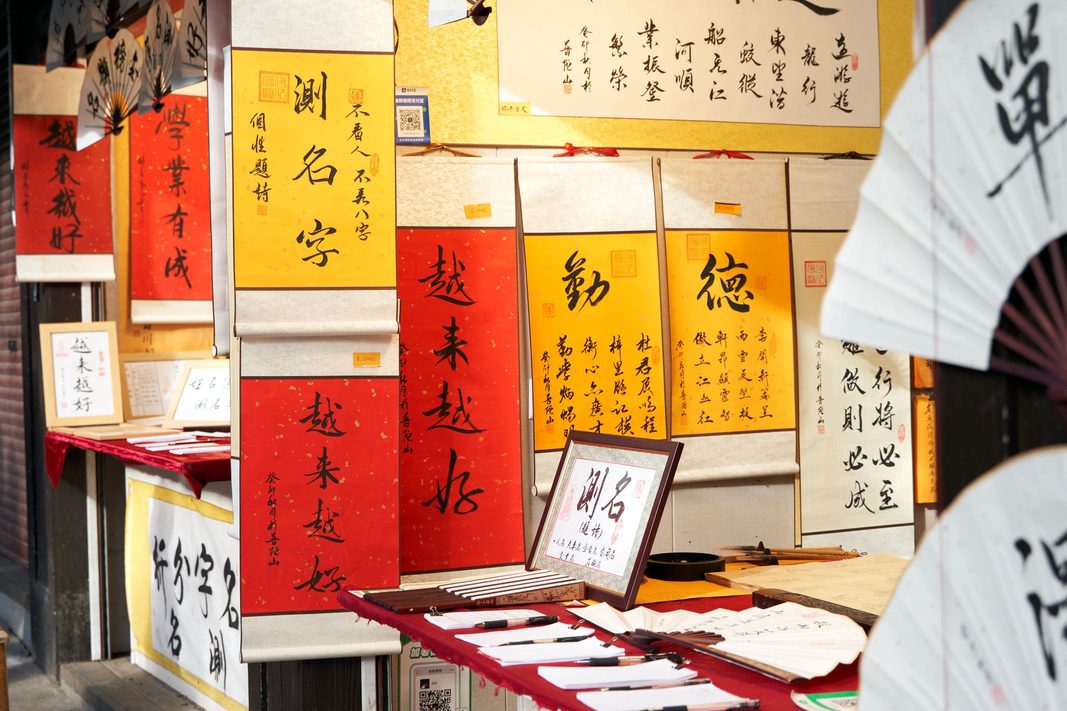
Panjiayuan is Asia's largest antique and flea market, a sprawling weekend warren of stalls selling jade, porcelain, watches, scrolls and curios. Almost everything on offer is a reproduction, and that is part of the charm — the fun lies in the hunt and the haggle. This guide explains the best time to go, how to bargain confidently, and how to tell a reproduction from the rare genuine piece.
Panjiayuan is an open market with free entry, so no ticket or reservation is needed. The only planning is timing — weekends and early mornings give the fullest, liveliest stalls.
Metro Line 10 to Panjiayuan (Exit A); the market lies a 5-minute walk east of the station.
Show the driver 潘家园旧货市场 (Panjiayuan Antique Market). Use the west gate near the metro if arriving by car.
Open at several entrances with no gate. The main market is under the bridge arcade; the weekend outdoor spread is the fullest part.
Saturday and Sunday unlock the largest outdoor section, hundreds of stalls of jade, snuff bottles, Mao-era memorabilia and furniture. Weekdays shrink to the covered arcade only.
Whole aisles specialise in jade, amber and carved stone, from beads to boulders. Prices swing wildly, so compare three sellers before you commit to a piece.
Covered halls hold porcelain, cloisonné, scrolls and watches. The quality range is enormous; treat anything labelled 'Ming' or 'Qing' as modern unless proven otherwise.
Bargaining is expected and good-natured. Opening prices often run three to five times the eventual sale, and the exchange is part of the entertainment.
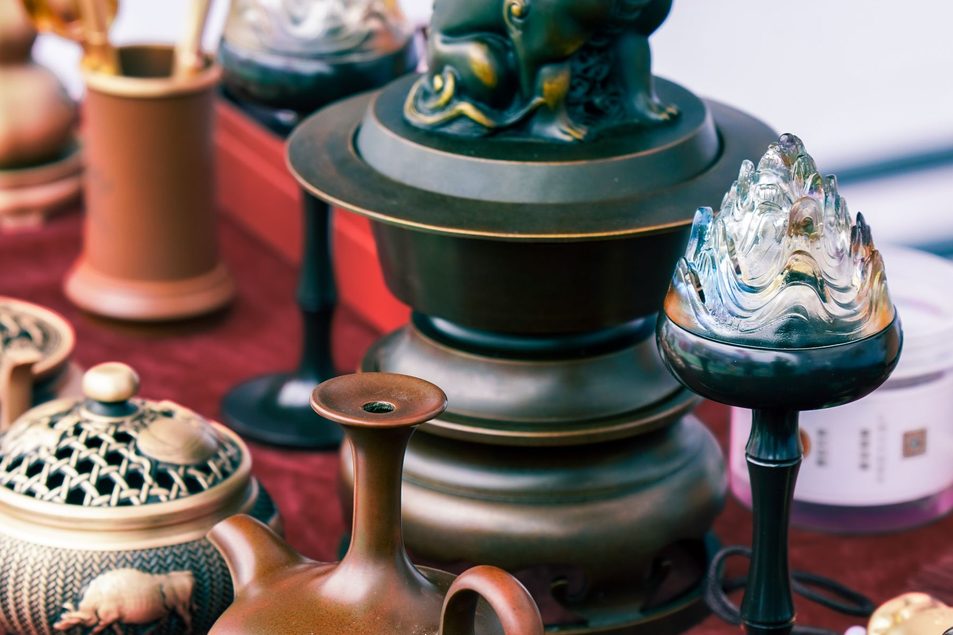
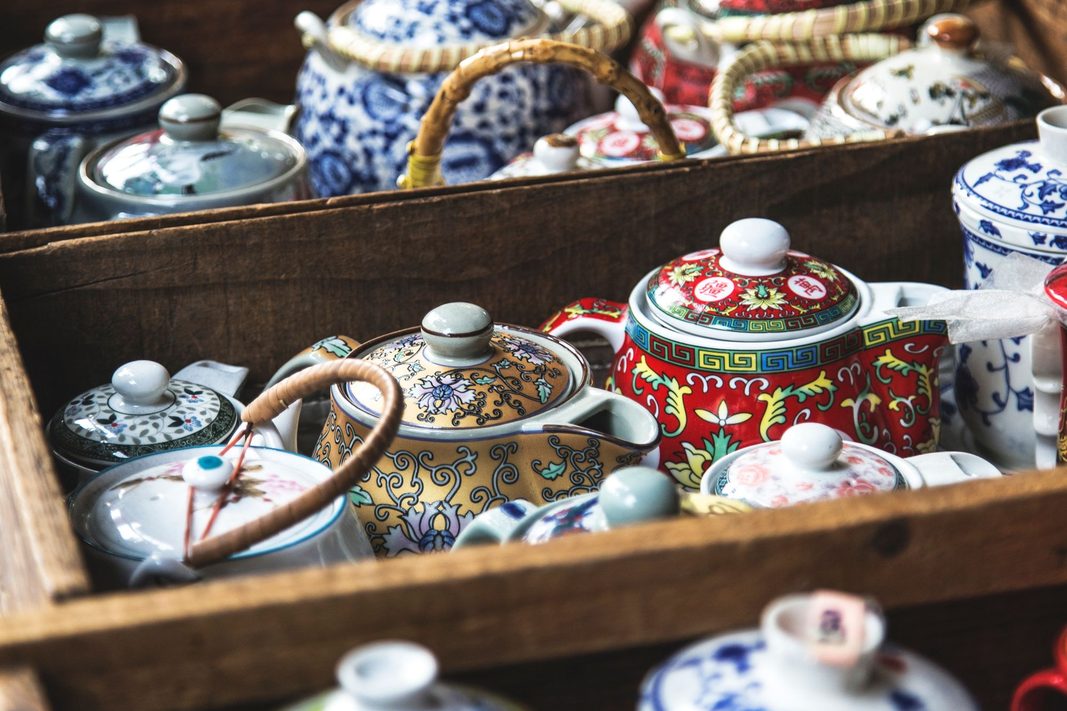
Panjiayuan began in the mid-1980s as an informal gathering of traders selling salvaged and antique goods, many operating only at dawn — the so-called 'ghost market'. It sat on the southern edge of the old city near the Panjiayuan area of Chaoyang district.
Through the 1990s the loose market formalised into the vast, permanent bazaar seen today, with a covered bridge arcade and organised halls. It grew alongside Beijing's collecting boom, drawing dealers, tourists and locals hunting everything from furniture to Cultural Revolution ephemera.
Today Panjiayuan is reputed to be Asia's largest antique market, though the overwhelming majority of stock is new reproduction rather than genuine antiquity. Its appeal is the spectacle and the bargain, not the prospect of a hidden treasure — a truth regulars accept cheerfully.
Yes, as a spectacle and a bargaining lesson rather than a source of real antiques. Go on a weekend morning for the full sprawl, and enjoy the hunt without expecting genuine treasures.
No. Entry is free and there is no booking or passport check. You simply turn up and walk in through any of the open entrances.
Browsing is free. Small curios start at a few yuan; jade and 'antique' pieces range from tens to thousands. Set a limit before you bargain so the haggle stays fun.
Saturday or Sunday morning, ideally before 10:00, gives the fullest stalls and the liveliest atmosphere. Weekdays shrink to the covered arcade and lose much of the charm.
Almost none are genuinely old; the market is overwhelmingly reproduction and that is widely accepted. Buy for craft and price, keep a sense of humour, and ignore 'certificates' of authenticity.