
The Round Altar
A low circular platform of white stone, once used for the spring equinox sun rites. It is open and unfenced, so you can stand on the spot where the emperor faced the rising sun.
A small, free embassy-district park built around the round altar of the Ming sun rites
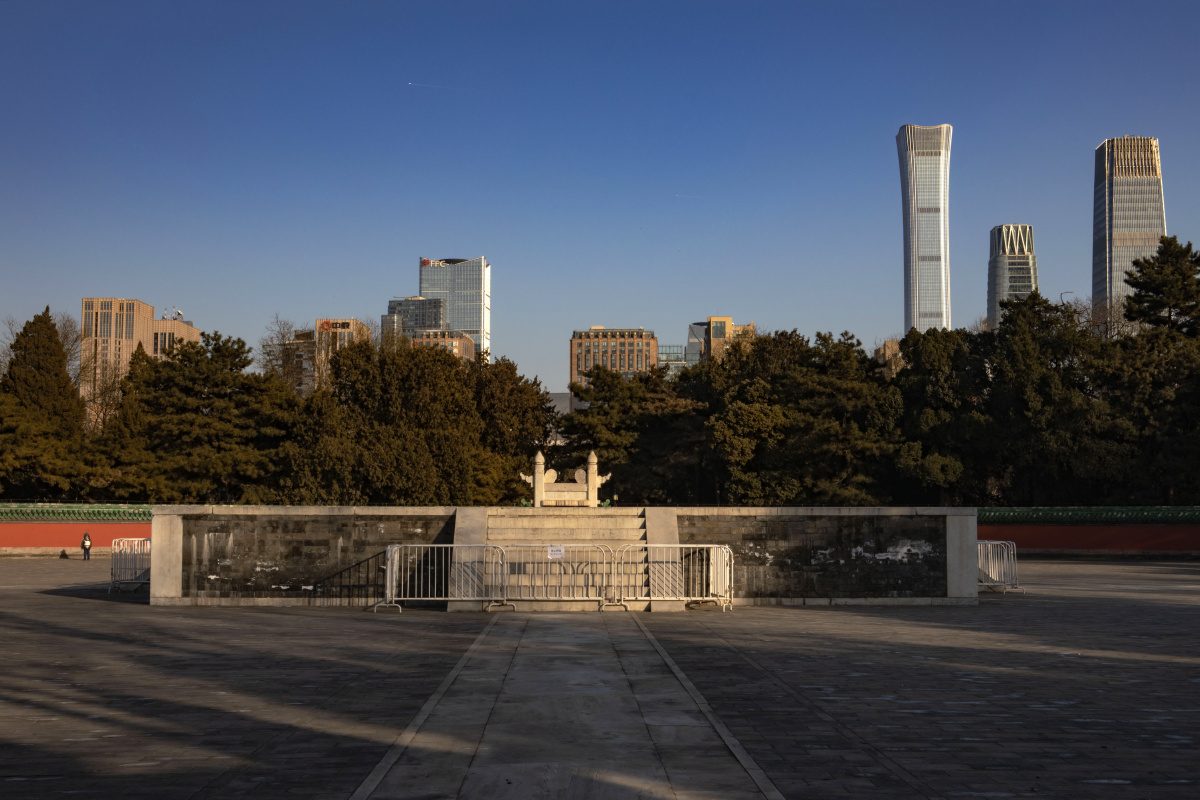
Temple of Sun, or Ritan, is one of Beijing's four Ming suburban altars and the only one built round, marking the direction of sunrise. Today it is a small, free neighbourhood park in the embassy district, centred on an open circular altar and a quiet ornamental lake. This guide covers opening hours, getting there, what remains of the sun rites, and why the park is best enjoyed as a calm local morning rather than a destination.
Ritan Park is a free public park with no ticket and no reservation. The altar enclosure is open and unsigned, so you just walk in. There is nothing to book, but the surrounding embassy district means security is a little tighter than at older parks.
Metro Line 1 or 2 to Jianguomen (Exit C), then a 10-minute walk west along the embassy-district streets to the park's south gate.
Show the driver 日坛公园 (Ritan Gongyuan). Add 南门 (south gate) for the main entrance.
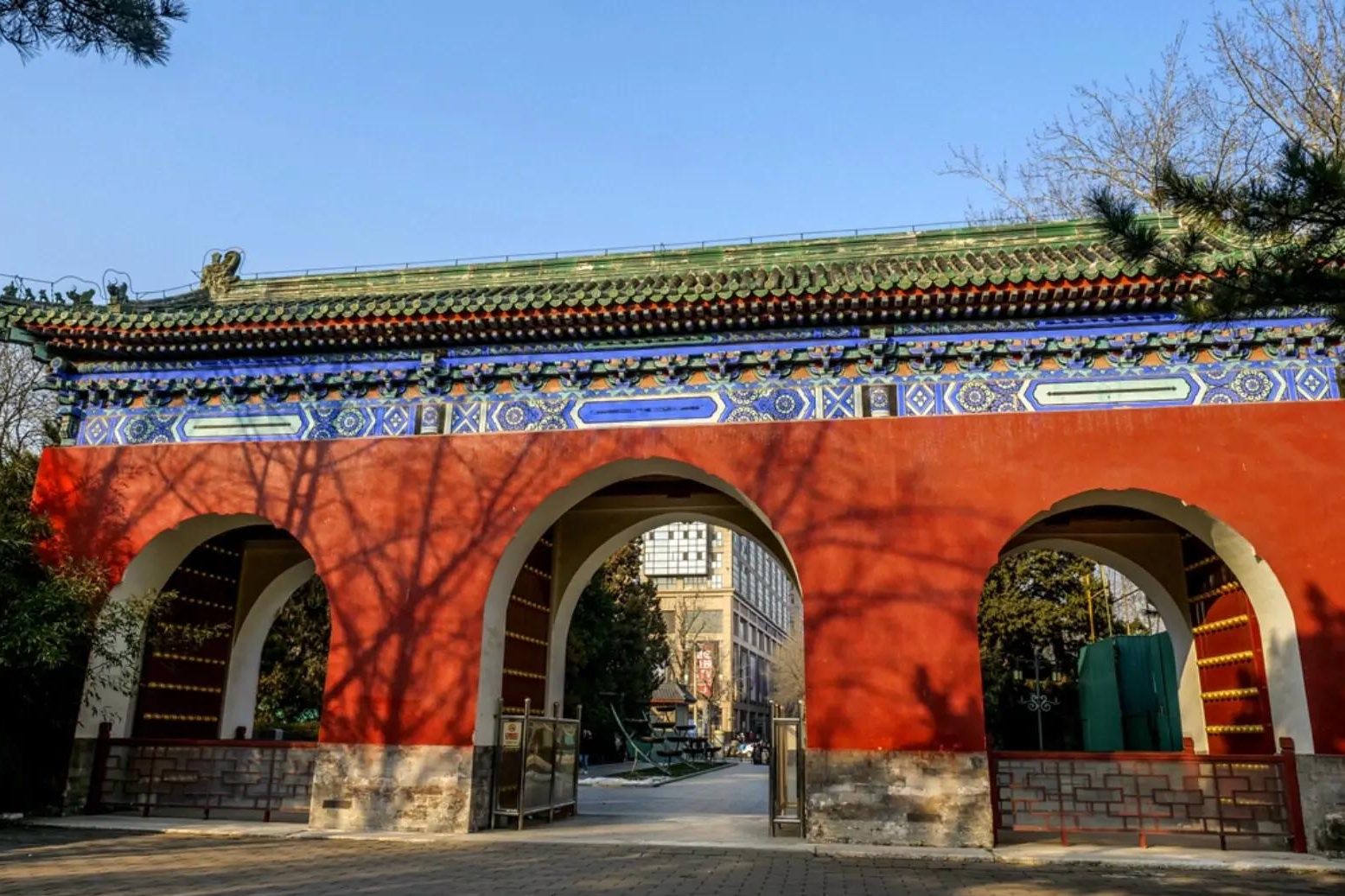
Enter at the south or east gate; the park is open and not one-way. The altar sits near the centre.
A low circular platform of white stone, once used for the spring equinox sun rites. It is open and unfenced, so you can stand on the spot where the emperor faced the rising sun.
A small ornamental lake with a causeway and willows, giving the park a composed, local feel quite unlike the city's monumental sights.
Sections of the original altar precinct wall and mature trees survive, framing a green space that has barely changed in decades.
Ritan sits among diplomatic compounds and the Ritan bar street, so a visit pairs naturally with a coffee or a walk through quiet, leafy streets.
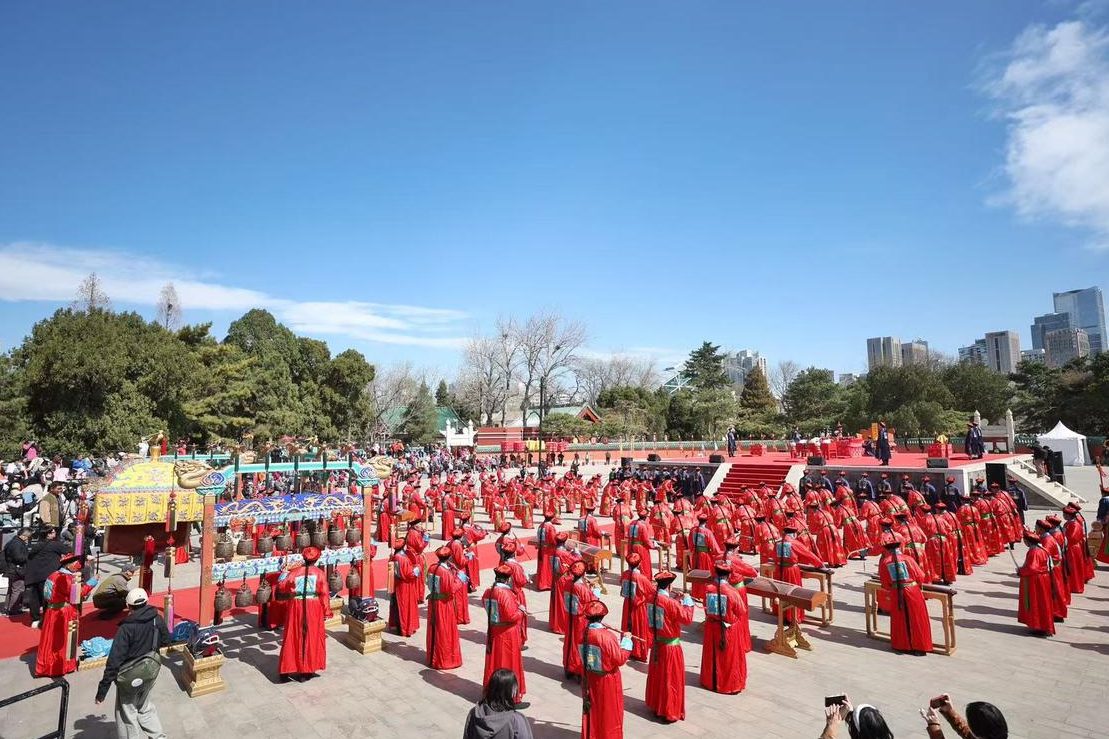
The Temple of Sun was built in 1530 under the Jiajing Emperor, in the same reform that created Beijing's four suburban altars. The altar of the sun was placed in the east of the city, matching the direction of sunrise, and built round to echo the heavenly body it honoured.
At the spring equinox the emperor travelled east to offer sacrifice to the sun. The Qing dynasty kept the rite and maintained the grounds. Like the other altars, Ritan lost its ceremonial role after 1912 and was opened to the public, its halls eventually disappearing while the altar and walls remained.
Today Ritan is a small, free neighbourhood park rather than a monument. Its round altar is the clearest relic of the sun cult, and the surrounding embassy district gives it a calm, international character that few Beijing parks can match — best appreciated on a slow weekday morning.
Yes, Ritan Park is free to enter and the altar is open without a ticket. You simply walk through a gate. There is no paid area and nothing to book, which makes it an easy, low-commitment stop.
Take Metro Line 1 or 2 to Jianguomen and walk about ten minutes west, or take a taxi to 日坛公园. The park sits in the embassy district, so the streets around it are calm and walkable.
Forty-five minutes to an hour covers the altar, the lake and a relaxed loop of the paths. It is best treated as a gentle break rather than a half-day destination.
Spring and autumn mornings are ideal, when locals walk, stretch and practise tai chi and the light is soft. Weekday mornings are calmest; weekends and afternoons draw more strollers.
Only as a quiet add-on. Ritan offers little original architecture and no grand halls, but it is free, central and peaceful, and pairs well with the embassy district's cafés and the bar street just outside.