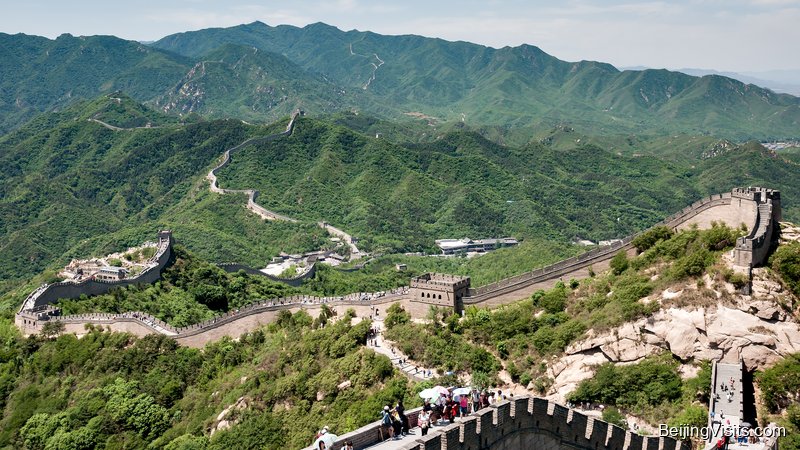
The North Cable Car
A cable car lifts you to the restored north ridge, saving the steepest climb. From the top you reach the iconic beacon towers and the classic postcard panorama without the effort.
The most restored and easiest Wall section, and the one every Chinese schoolchild knows
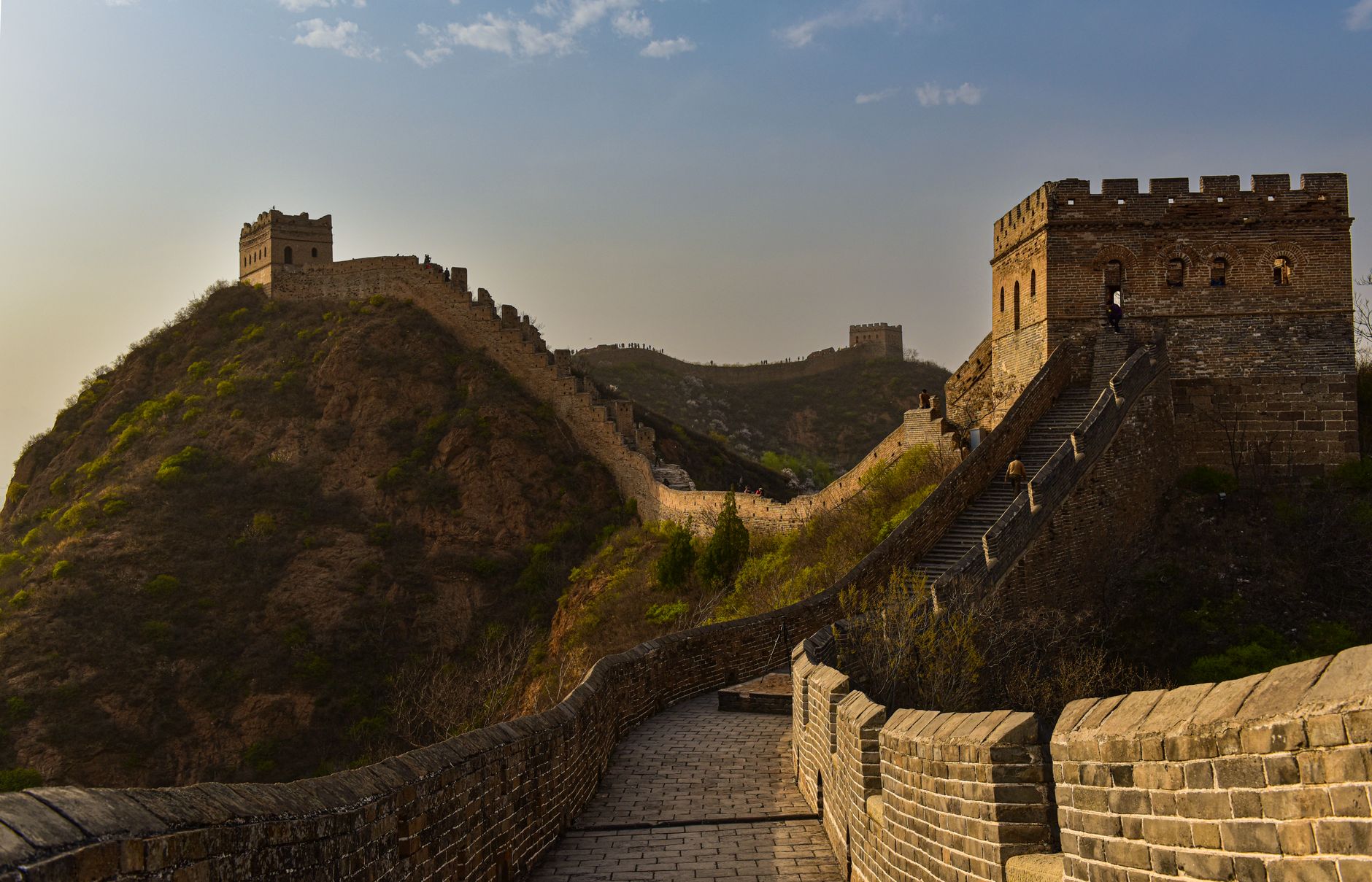
Badaling is the showpiece section of the Great Wall and the easiest to reach from Beijing. Its battlements are fully restored, its steps are wide and even, and a cable car spares you the steepest climb. For first-time visitors who want the iconic postcard view without a gruelling hike, it is the obvious choice. This guide covers the two ways to get there, how to book with a passport, the cable-car versus hike decision, and how to avoid the worst of the crowds.
Badaling uses real-name, timed ticketing tied to your passport. You can book on the official Badaling WeChat mini-program before you travel, which is the only reliable way to skip the on-site queue in peak season.
There is no metro at Badaling. Take Metro Line 8 or 13 to Huoying, then the S2 suburban railway to Badaling station (about 70 minutes), or Line 2 to Jishuitan for the 877 bus.
Show the driver 八达岭长城 (Badaling Great Wall). A full taxi from central Beijing is pricey — the train or 877 bus is simpler.
Enter at the south gate near the bus or train drop-off. The Wall runs north–south; most visitors walk north to the highest restored beacon tower and return.
A cable car lifts you to the restored north ridge, saving the steepest climb. From the top you reach the iconic beacon towers and the classic postcard panorama without the effort.
The stretch toward tower 8 is steep enough to earn its nickname. Reach it and the crowds thin and the masonry shows its original Ming grain.
At the base, the on-site museum covers 2,000 years of Wall history with maps, weapons and photographs. It is included with your ticket and worth 30 minutes before you climb.
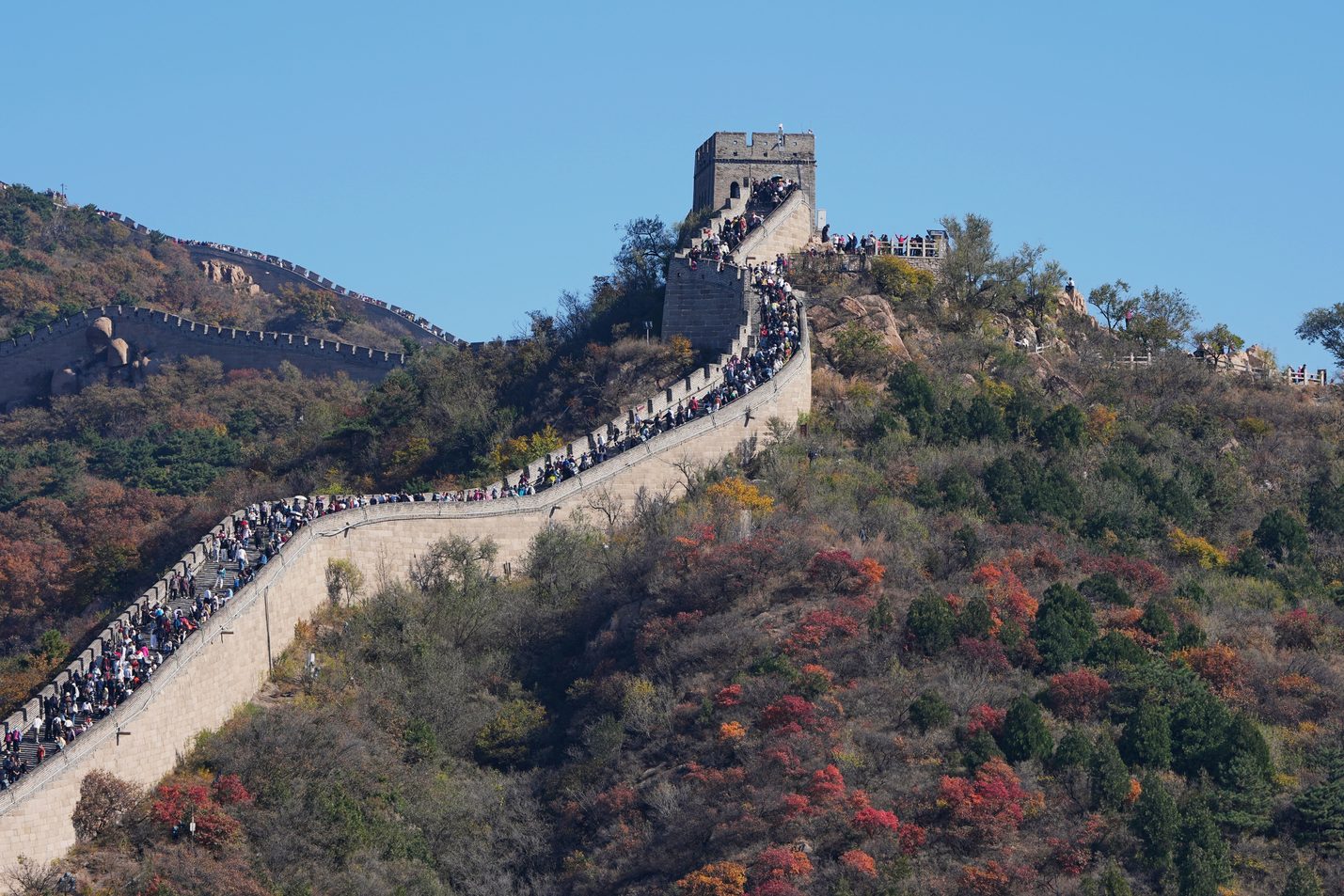
Most visitors climb north, so the south ridge is quieter. It offers the same views with fewer tour groups — a good call if you dislike crowds.
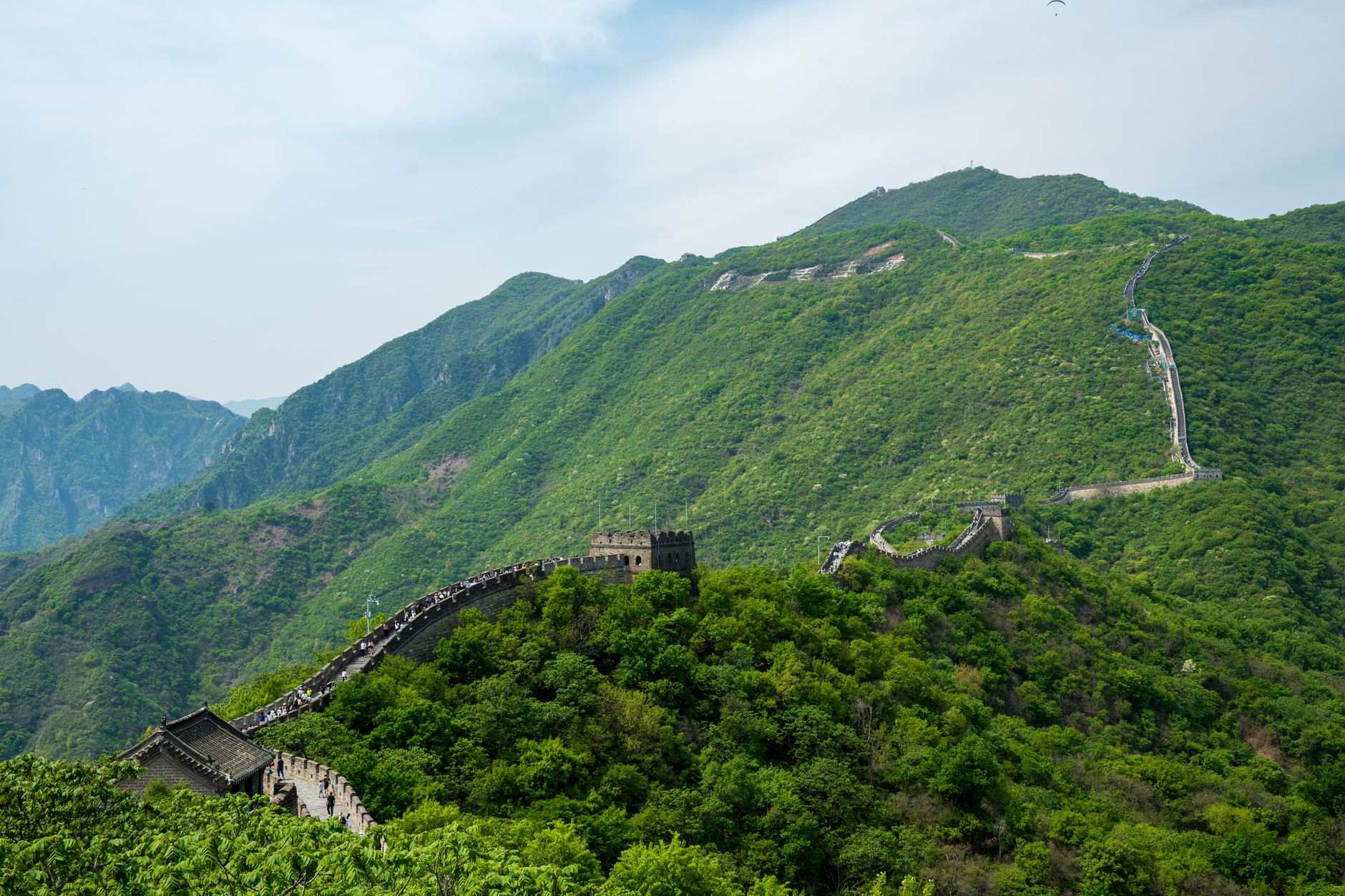
Badaling was rebuilt in the early 16th century under the Ming dynasty to guard the Juyongguan pass, the main northern gateway to the capital. Its position on a high ridge let soldiers watch the approach to Beijing for miles, and the section was repeatedly reinforced as the empire's first line of defence.
After the Ming fell in 1644 the Wall lost its military role, and by the 19th century parts had crumbled. Badaling was the first section restored for visitors, in the 1950s, and it received foreign heads of state from the 1970s onward — which is why its stone is so uniform today.
Today Badaling draws millions of visitors a year and is the most photographed Wall section in China. About 3.7 kilometres of wall are open, with more than 20 restored watchtowers, and it remains the section foreign leaders are most often shown when they visit Beijing.
Yes. Badaling uses real-name, timed ticketing tied to your passport, and peak-season slots sell out. Book on the official WeChat mini-program before you travel; there is no reliable walk-up window for foreign visitors.
The standard ticket is around CNY 40; the north cable car is extra. Prices shift with season, so confirm the exact figure on the official WeChat account the day before you go.
Plan four to five hours including the train or bus each way. Inside the scenic area, two to three hours is enough to ride the cable car and walk the restored ridge.
Autumn (September–October) and spring (April–May) have the clearest air and best light. Avoid Chinese national holidays, when the section is packed from opening to close.
Take the cable car if you want the view without the climb, or walk the south ridge for a quieter, steeper route. First-timers usually ride up and walk a stretch of the north ridge.