The Toboggan Descent
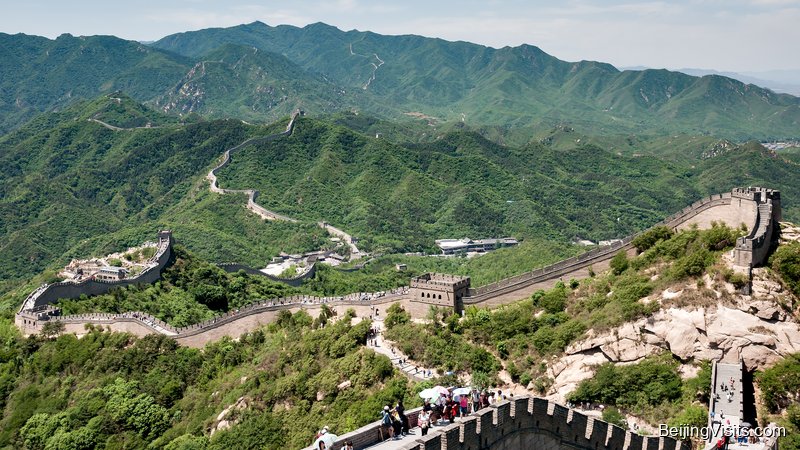
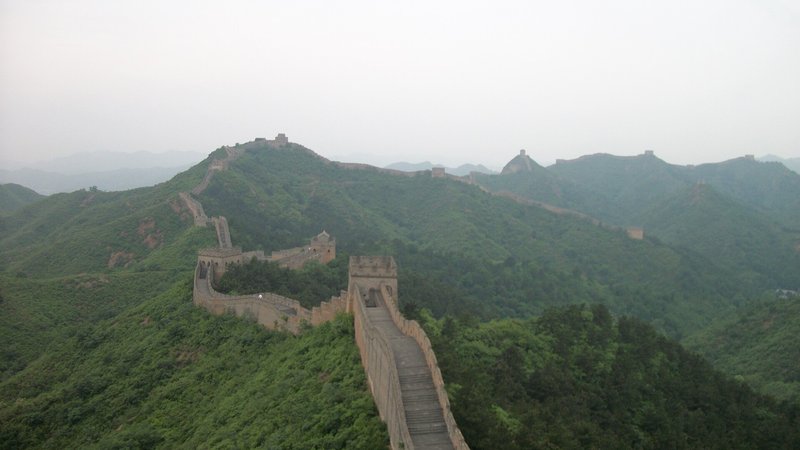
A 1.6 km alpine toboggan runs from the wall down to the base — part ride, part brake-controlled slide. It is the most fun way down and a firm favourite with visitors.
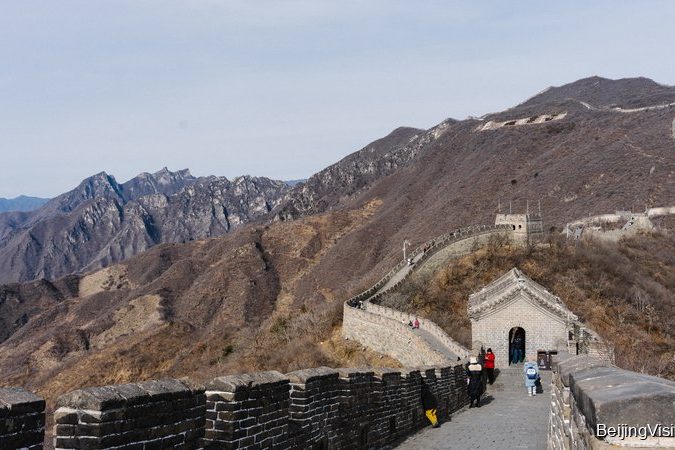
The restored Wall with a toboggan run — quieter than Badaling, greener than most
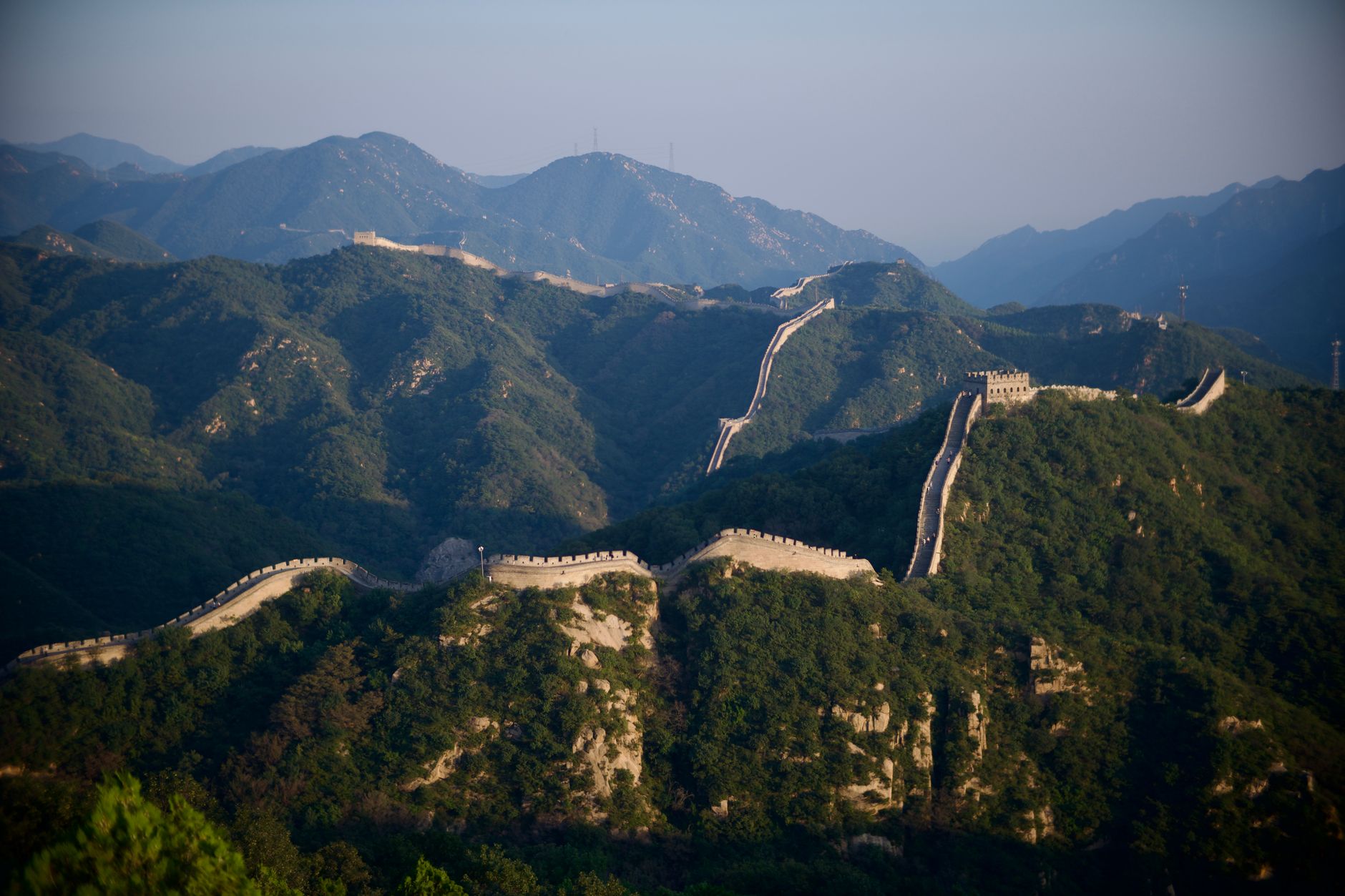
Mutianyu is the Great Wall section most loved by visitors who want restoration without the Badaling crowds. Its ramparts are in excellent condition, a cable car carries you up, and a toboggan carries you down. The surrounding pine forest makes it the greenest major section near Beijing. This guide explains the 916 Express and Huairou transfer, the cable-car-versus-toboggan choice, passport booking, and how to time your day.
Mutianyu uses real-name ticketing tied to your passport through its official channels. Book on the venue's WeChat mini-program or website before you travel so you skip the gate queue and secure a toboggan slot.
Take Metro Line 2 or 13 to Dongzhimen, then the 916 Express bus to Huairou. From Huairou transfer to a local H-prefix bus or a shared taxi to the Mutianyu entrance (about 45 minutes).
Show the driver 慕田峪长城 (Mutianyu Great Wall). From Huairou a taxi to the gate costs a negotiable flat fare.
Enter at the main south gate. Most riders take the cable car up to tower 14 and descend by toboggan; the walking route starts near the same gate.
A 1.6 km alpine toboggan runs from the wall down to the base — part ride, part brake-controlled slide. It is the most fun way down and a firm favourite with visitors.
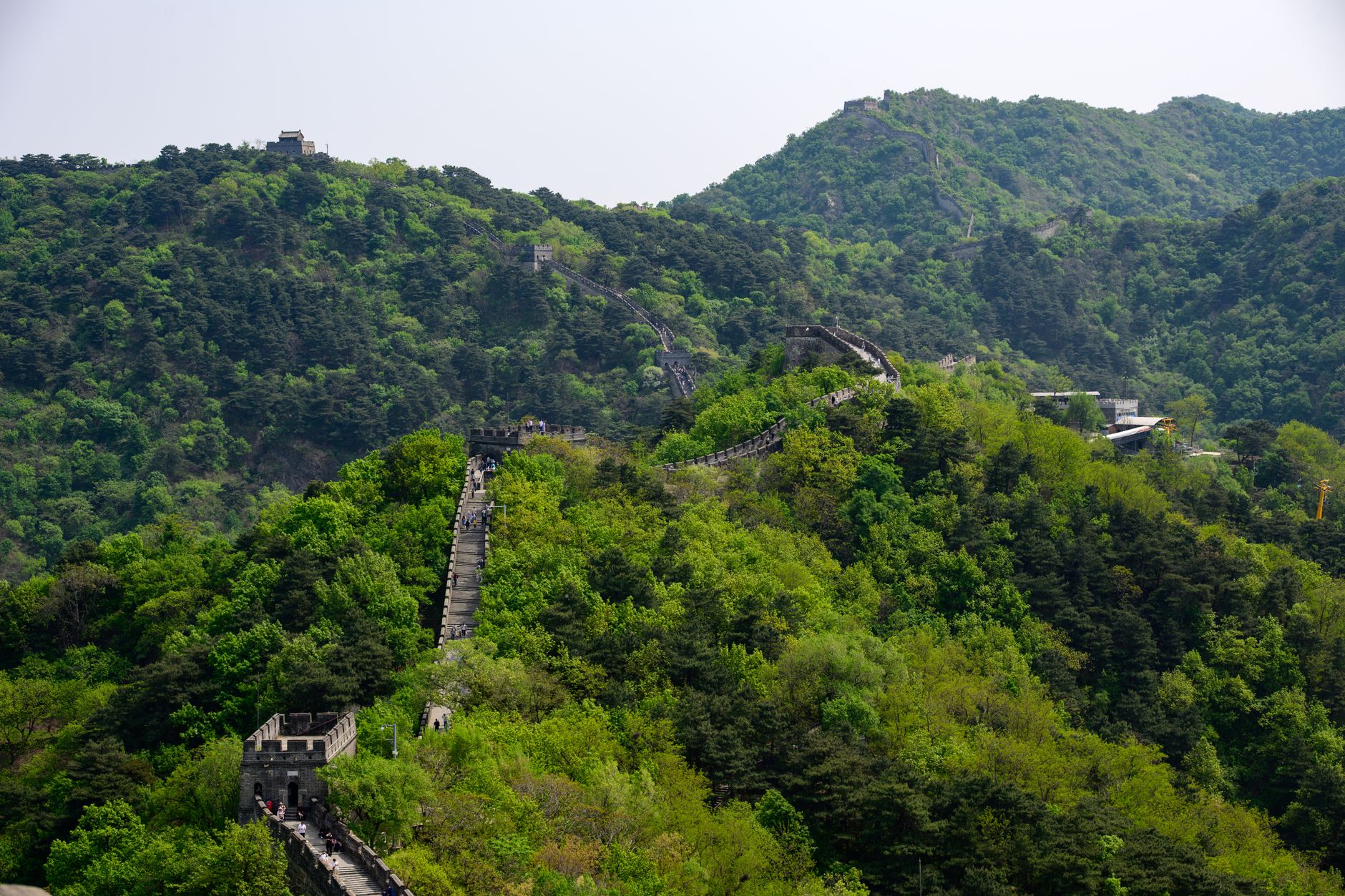
The cable car deposits you near tower 14 on a fully restored, broad rampart. Walk east or west along crenellated walls with open forest views on both sides.
Unlike the bare ridges elsewhere, Mutianyu is wrapped in pine and, in autumn, red maple. The green setting is why photographers rate it the most scenic restored section.
A separate chairlift serves the eastern end, letting you ride up and walk a quieter stretch. It spreads the crowd and gives a different angle on the same wall.
Mutianyu was first built in the Northern Qi dynasty (6th century) and rebuilt under the Ming in the mid-15th century by General Xu Da, as part of the line defending the capital's northern approaches. Its position guards a strategic gap in the mountains.
The section fell into disrepair after the Ming collapse in 1644 and stayed quiet for centuries. Unlike Badaling, Mutianyu was only restored in the 1980s, which is why its stonework looks fresher and its watchtowers are particularly dense — 22 towers in roughly 2.5 kilometres.
Today Mutianyu is praised as one of the best-preserved sections open to visitors, with dense watchtowers and intact parapets. It receives far fewer tour groups than Badaling, and its forest setting has made it a regular choice for autumn colour photography.
Yes. Tickets are real-name and tied to your passport, and the cable car or toboggan can sell out. Book on the official WeChat mini-program before you travel so you secure both entry and your preferred descent.
The entry ticket is around CNY 45, with the cable car and the toboggan each extra. Confirm the current combined price on the official account, as the packages change by season.
Allow a full half day — four to five hours including the 916 Express and Huairou transfer each way. Inside the site, two to three hours covers the cable car, the ridge walk and the toboggan.
Autumn (September–October) brings red maples and clear air, while spring is mild and green. Weekdays beat weekends, and the opening hour is the calmest time on the ridge.
Ride the cable car up and the toboggan down for the classic experience. If wind closes the toboggan, the cable car runs both ways, so book it as your reliable fallback.