
The flooded wall
A stretch of rampart stands half-submerged where the reservoir was dammed, so the wall appears to rise from the water — the defining, unusual image of Huanghuacheng.
The Wall that dips into a lake — a quiet Huairou day trip with water views
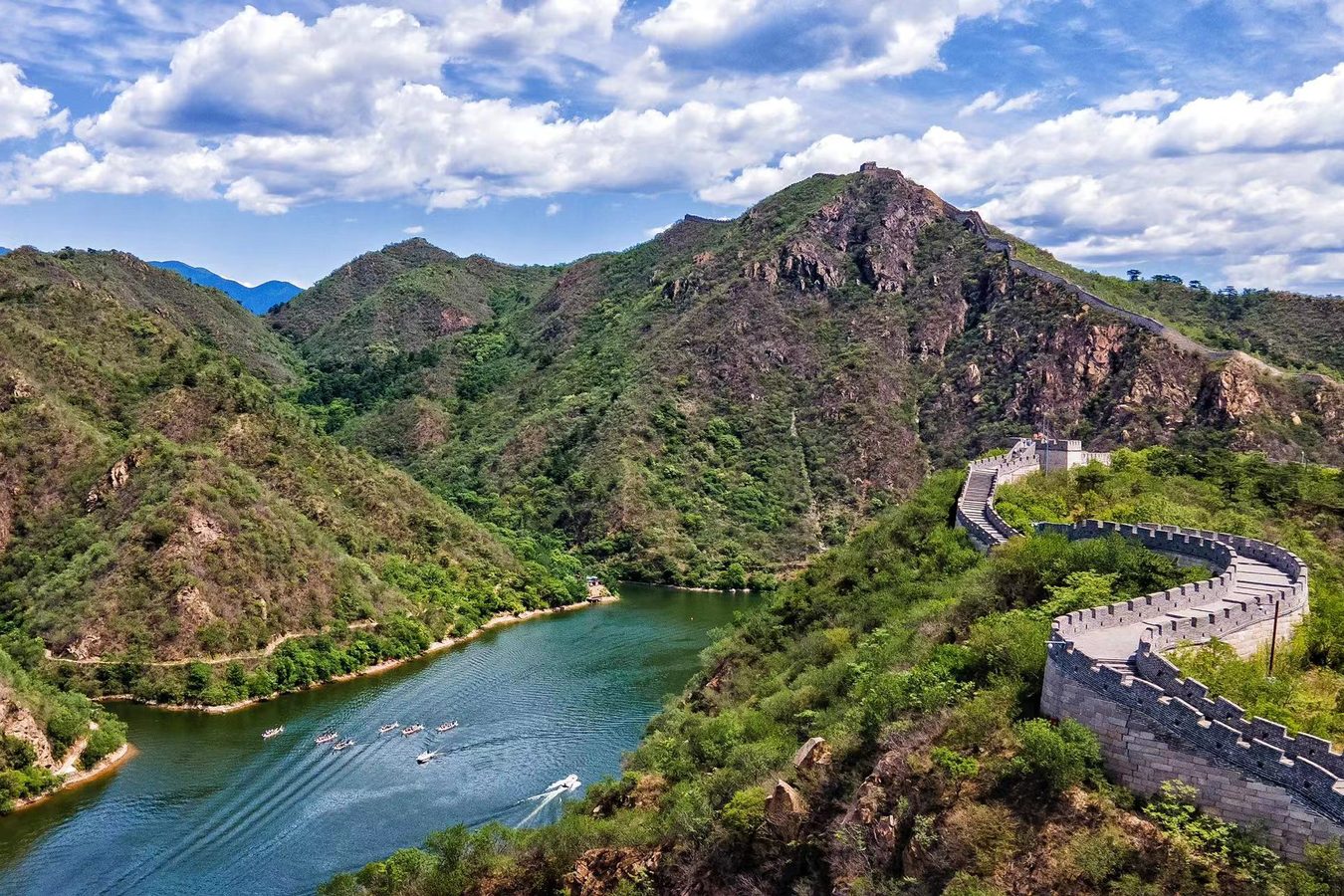
Huanghuacheng is the Great Wall section that meets the water. Part of its ramparts was deliberately flooded when a reservoir was built, so you can walk the wall and then boat beneath it. It is restored but far quieter than Badaling, and an easy Huairou day trip. This guide covers the Dongzhimen–Huairou transfer, passport booking, the lakeside walk, and how to pair it with boating.
Huanghuacheng uses real-name ticketing tied to your passport through its official WeChat mini-program. Book before you travel so you secure entry and, if you want it, a lakeside boat slot, which is the section's signature experience.
Take Metro Line 2 or 13 to Dongzhimen, then the 916 Express bus to Huairou. From Huairou transfer to a local H-prefix bus or a shared taxi to the Huanghuacheng lake entrance (about 40 minutes).
Show the driver 黄花城水长城 (Huanghuacheng Lakeside Great Wall). From Huairou a taxi to the lake is a negotiable flat fare.
Enter at the lakeside south gate. Walk the restored ridge above the reservoir, then descend to the boat dock or the lakeside path.
A stretch of rampart stands half-submerged where the reservoir was dammed, so the wall appears to rise from the water — the defining, unusual image of Huanghuacheng.
A boat takes you across the reservoir and beneath the sunken wall, the only place near Beijing where you can float at the base of the Great Wall.
Above the lake, a rebuilt section gives an easy walk with open water views on one side and wooded hills on the other — calmer than the famous sections.
Ming-era chestnut trees and old garrison stones dot the hillside, a quiet reminder that soldiers once farmed and guarded this same lakeside pass.
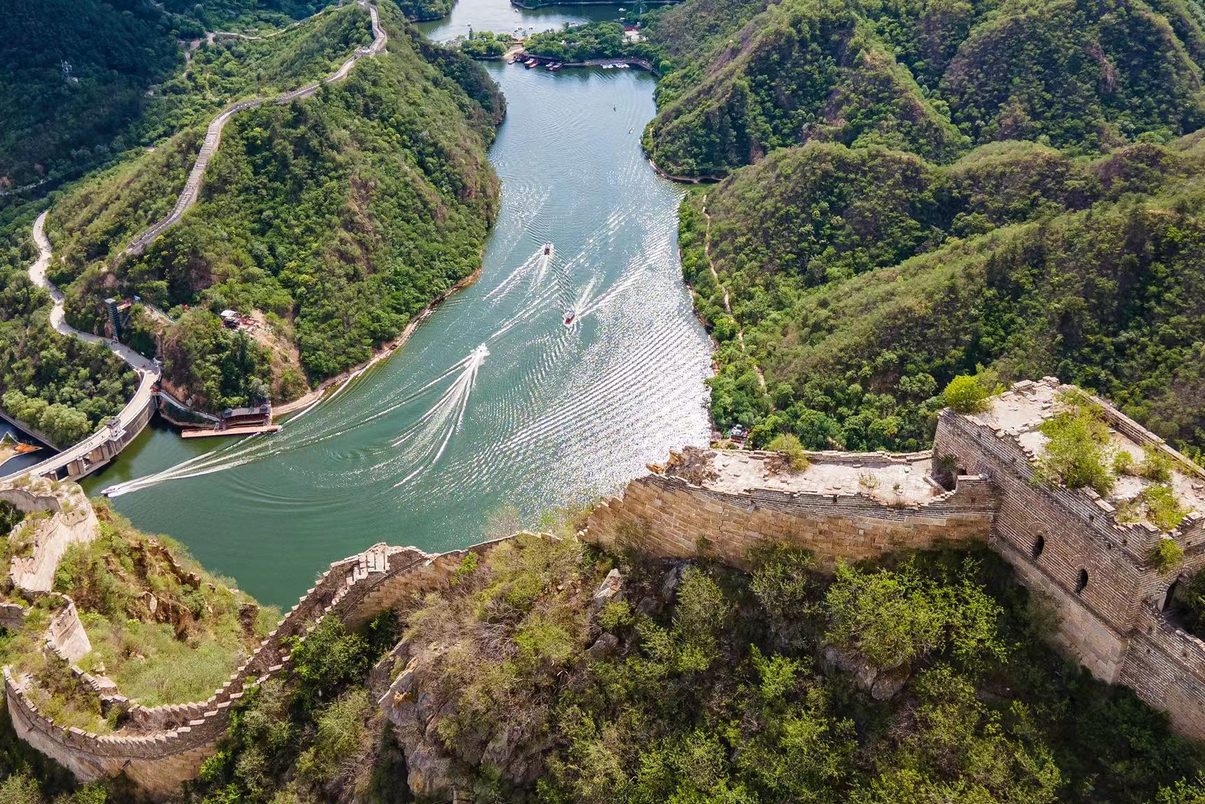
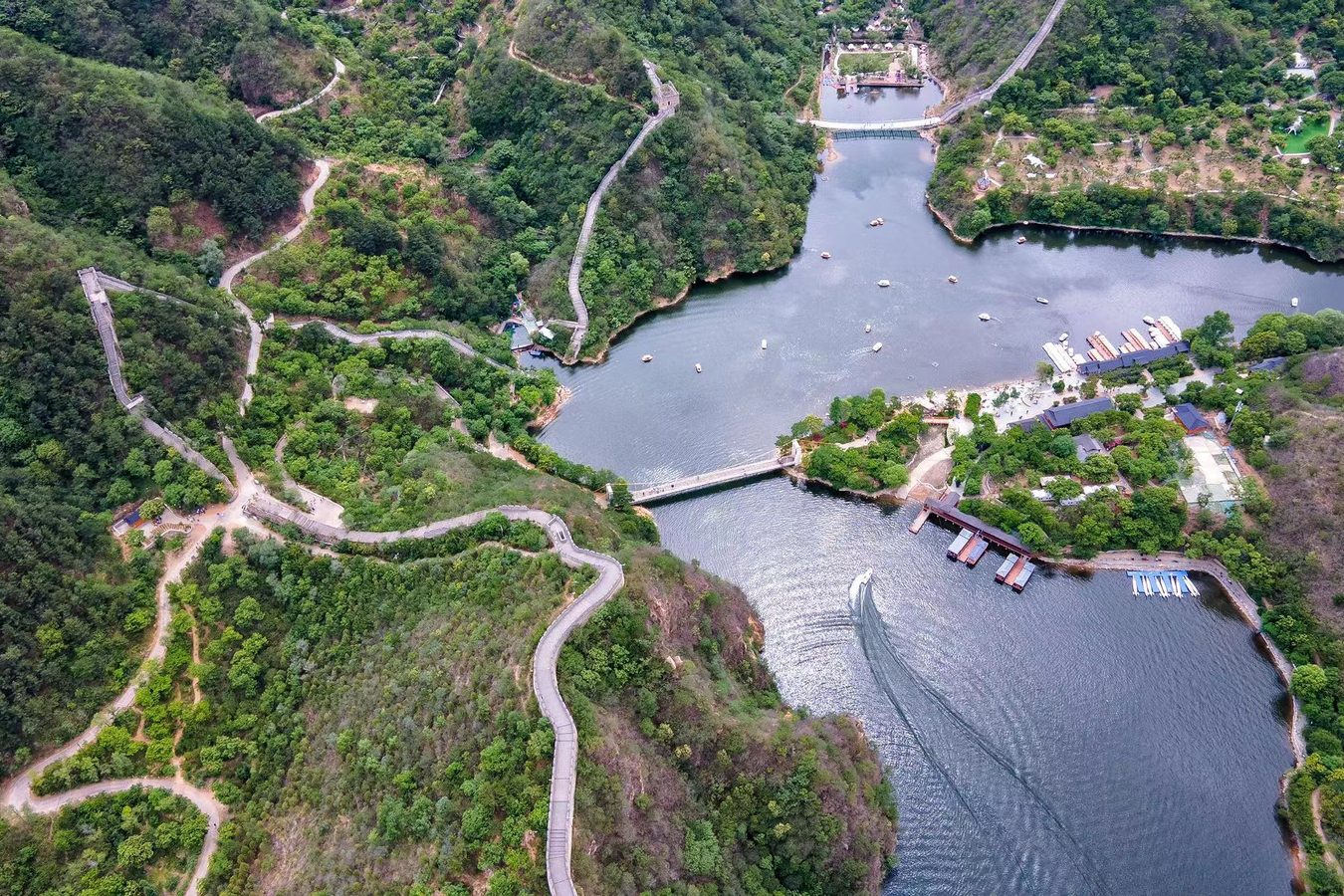
Huanghuacheng was built in the early Ming dynasty, around the 15th century, to defend the capital's northern flank through the Huairou hills. Its name refers to the yellow wildflowers (huang hua) that once blanketed the slopes in early summer.
The wall served as a border defence for centuries and, like many sections, fell into disuse after the Ming collapse. The dramatic change came in the 1970s, when a reservoir was dammed in the valley and deliberately flooded part of the rampart to store water.
Today Huanghuacheng is unofficially called the Lakeside Great Wall, the only section where the Wall enters a lake. Roughly 10 kilometres of wall survive, and the flooded stretch plus the boat ride have made it a favourite quiet alternative to Badaling.
Yes. Tickets are real-name and tied to your passport, booked on the official WeChat mini-program. Add the boat ride when you book if you want to float beneath the flooded wall, as it is the section's signature experience.
Entry is around CNY 60, with the lakeside boat extra. Confirm the current combined price on the official account, as the boat is a separate, seasonal charge that pauses in cold weather.
Plan three to four hours including the boat and the ridge walk. The 916 bus and Huairou transfer add about two hours each way, so a relaxed half day is realistic.
Summer is best for the boat, while early summer brings the yellow flowers the name comes from and autumn gives clear water and colour. Weekdays are noticeably quieter than weekends.
If you want the iconic, easy postcard, Badaling wins. Huanghuacheng rewards a longer transfer with a unique lakeside setting and far fewer crowds — ideal if you have already done a famous section.