
Hall of Worship (Dabai Hall)
The vast main hall stands on a triple marble terrace and was where emperors presented offerings to their ancestors. Its scale rivals the Forbidden City's great halls, yet you may have it nearly to yourself.
The Ming-Qing royal chapel east of Tian'anmen — vast, empty and serene
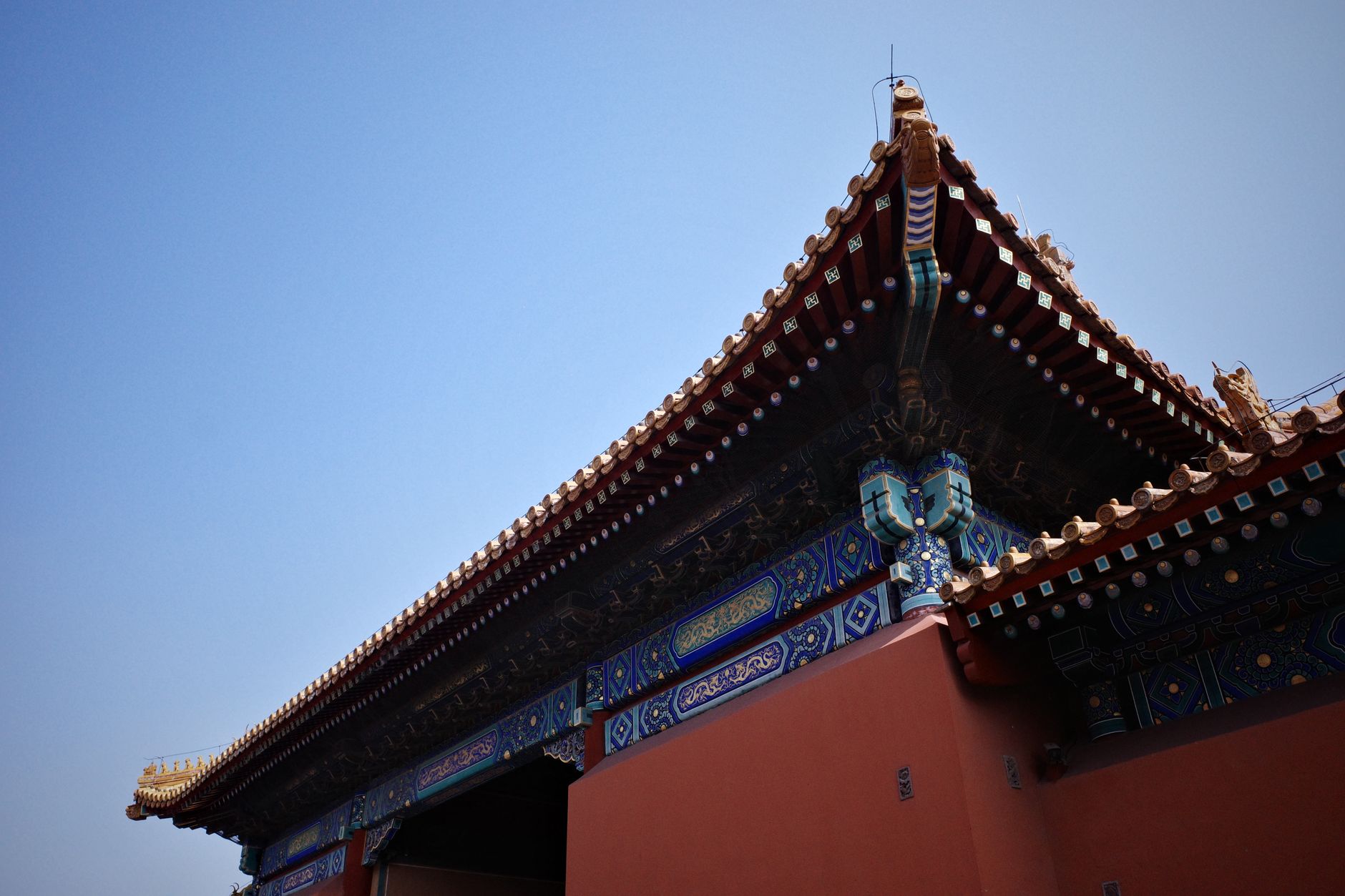
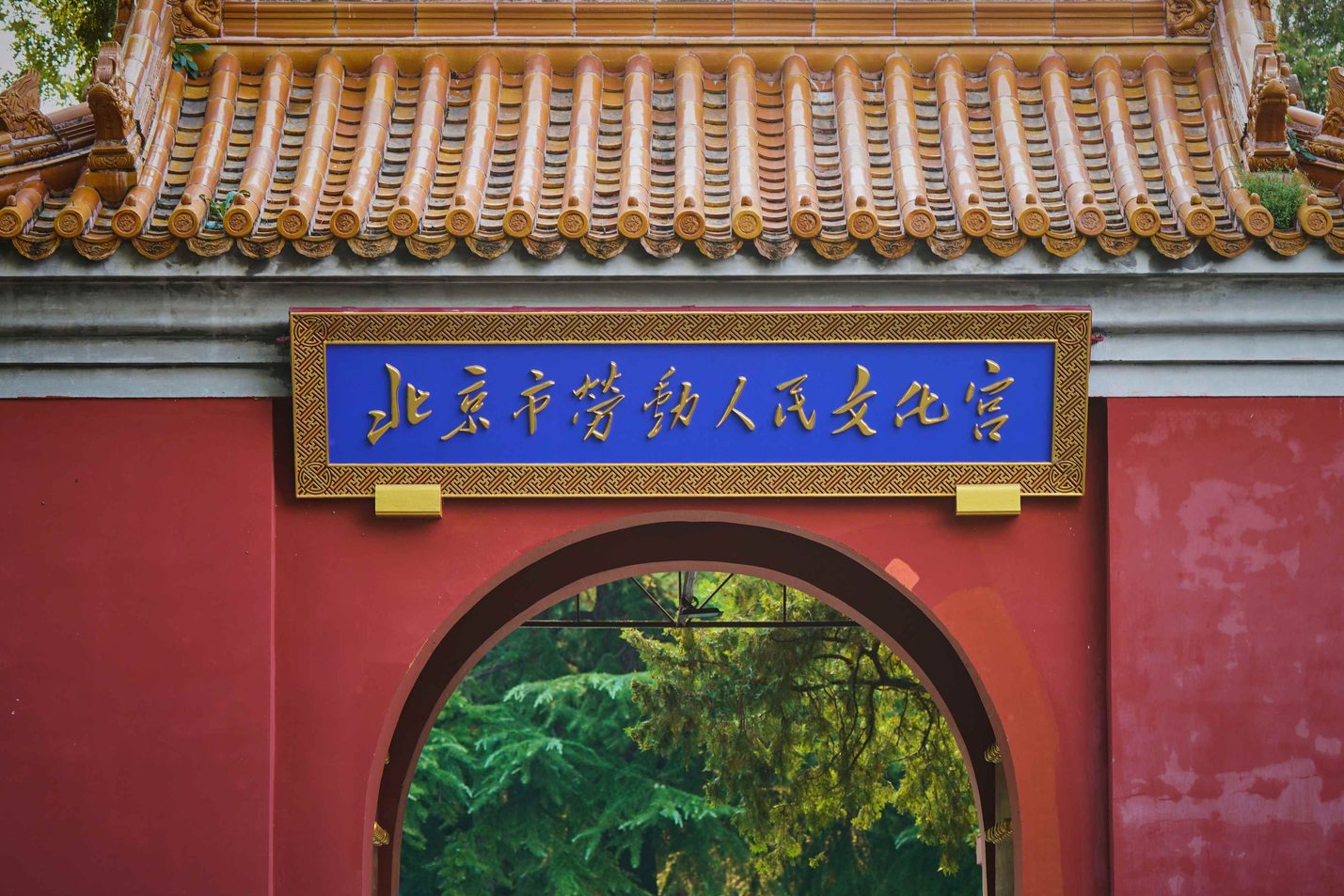
The Imperial Ancestral Temple, known as Tai Miao, stands just east of Tian'anmen Square behind the same red walls as the Forbidden City. For five centuries Ming and Qing emperors worshipped their forebears in the Hall of Worship. Today it is labelled the 'Working People's Cultural Palace' on maps, yet remains one of central Beijing's calmest, most overlooked corners — vast cypress groves and empty courtyards steps from the square. This guide covers the cheap ticket, the hall and how to find this quiet escape.
The temple is run as a quiet public park with no advance booking for foreign visitors. You buy a cheap ticket at the East Gate and walk in, though a passport check can apply on the rare busy day when Tian'anmen crowds spill over.
Metro Line 1 to Tian'anmen East (Exit A), then a short walk east along Chang'an Avenue to the temple's East Gate.
太庙 东门 (east gate, east of Tian'anmen on Chang'an Avenue).
Enter at the East Gate and walk the central axis west toward Tian'anmen; the route is a calm straight line through three courtyards to the Hall of Worship.
The vast main hall stands on a triple marble terrace and was where emperors presented offerings to their ancestors. Its scale rivals the Forbidden City's great halls, yet you may have it nearly to yourself.
Hundreds of cypresses, many planted in the Ming era over 600 years ago, shade the courtyards. Their canopy makes the temple the coolest, calmest green space right beside Tian'anmen Square.
A strict central axis of open courtyards and gates leads from the entrance to the hall, mirroring the Forbidden City's ritual geometry. The emptiness here, versus the square outside, is the temple's great surprise.
Behind the hall, a quieter garden with pavilions and a pond offers a final calm space. Locals come here to read and rest, and it is the least visited part of the site.
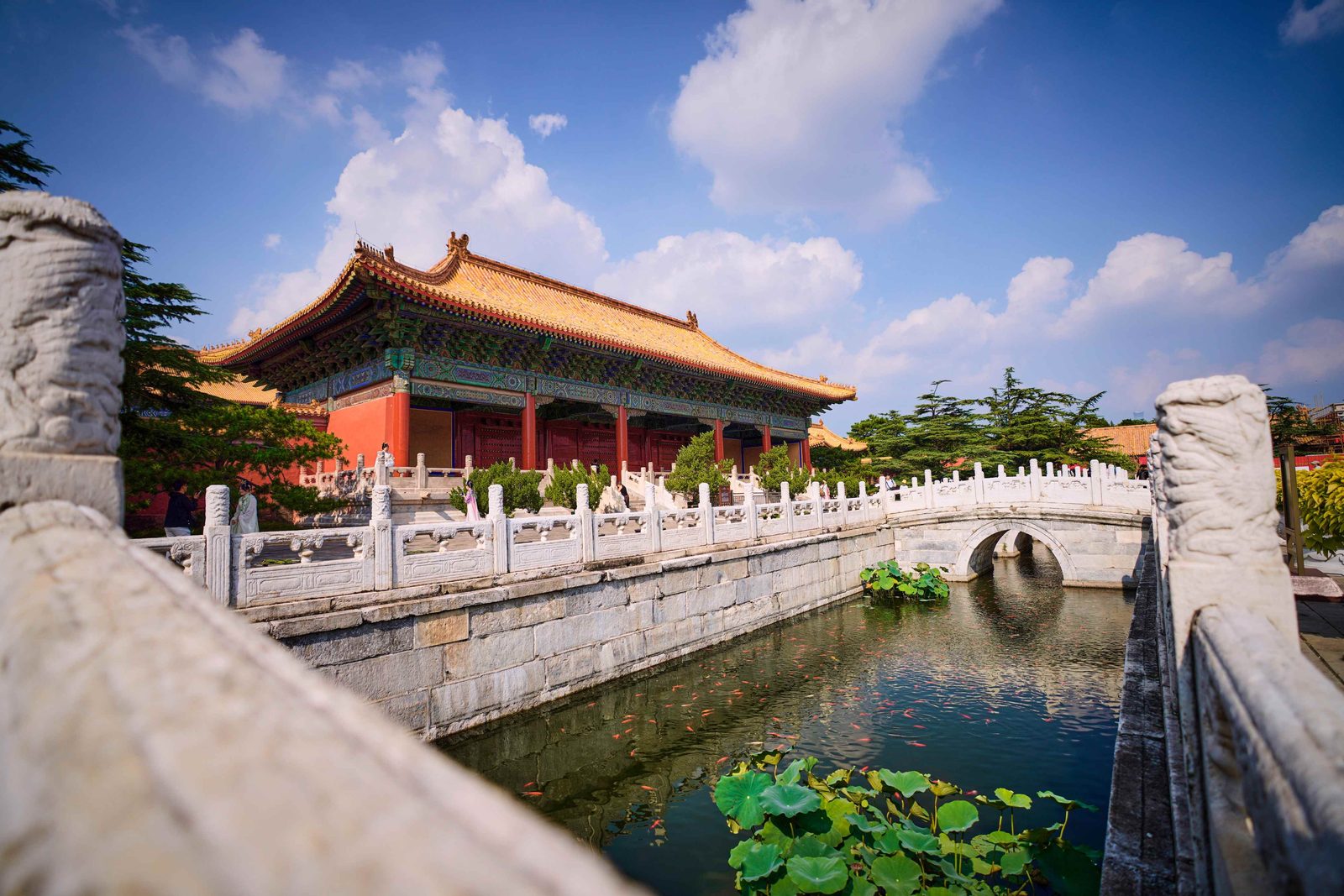
The temple was built in 1420 alongside the Forbidden City when the Ming emperor Yongle established Beijing as the capital. It was the ritual counterpart to the Altar of Land and Grain, dedicated to the worship of the dynasty's imperial ancestors and the continuity of the realm.
For the next five centuries the Hall of Worship hosted the most solemn of state rites: emperors presented food, wine and petitions to tablets of their forebears at the new and full moons and at major festivals. After 1911 the rites ended and the compound was repurposed, eventually opening to the public as the 'Working People's Cultural Palace'.
Today the site is a protected historic monument and a rare calm pocket in the political heart of the city. Its Ming-era cypresses and the vast, often empty hall make it, by some measures, the quietest major imperial site in Beijing — a stark contrast to the square that borders its western wall.
No. It runs as a quiet public park with no advance booking; buy a cheap ticket at the East Gate and walk in. Carry your passport, as a real-name check can occasionally apply on peak days when Tian'anmen is busy.
Only a few yuan — around CNY 2 to 5, though confirm the current figure on the official account before you go. There is no separate charge for the hall or the gardens inside.
One to two hours covers the three courtyards, the Hall of Worship and a stroll through the cypress groves and rear garden. Many visitors stay less, using it as a calm breather beside Tian'anmen.
After 1911 the former imperial temple was repurposed for public cultural use and officially named the Working People's Cultural Palace, a label still printed on maps. The site is the Imperial Ancestral Temple (Tai Miao); the older name simply persists.
Yes, precisely because it is empty. The hall rivals the palace's great buildings in scale yet is almost crowd-free, and the cypress groves are the calmest green space in central Beijing. It pairs perfectly with Tian'anmen and the Forbidden City.