
The Moon Altar
A small rectangular altar enclosure, once used for the autumn equinox rites to the moon. It is the humblest of the four altars and the easiest to miss, which is rather the point.
The smallest and quietest of Beijing's four imperial altars, a free west-city pocket park
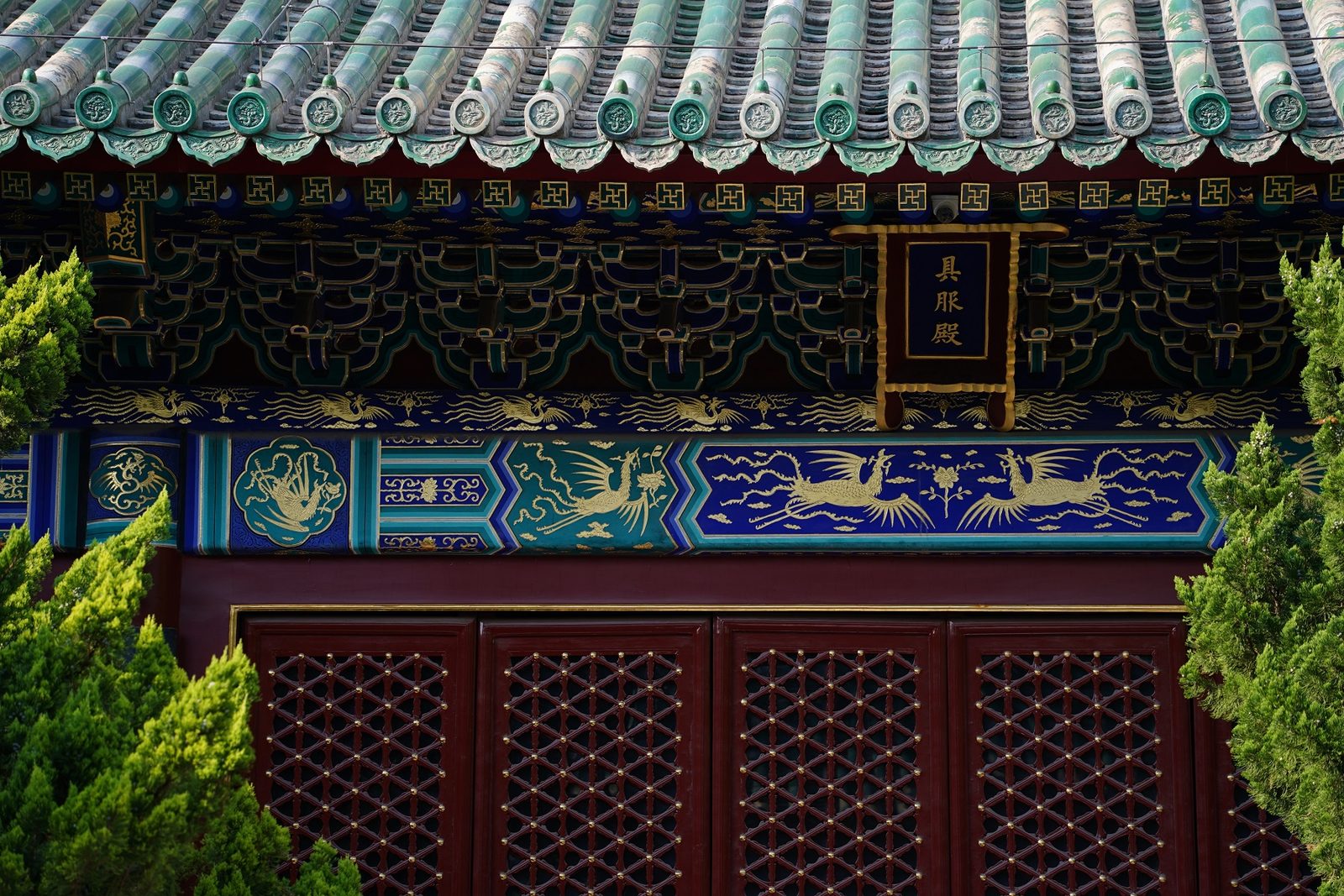
Temple of Moon, or Yuetan, is the western member of Beijing's four Ming suburban altars and the smallest of them. Today it is a free pocket park beside the Financial Street high-rises, centred on a modest altar enclosure and a few quiet garden beds. This guide covers opening hours, getting there, what little survives of the moon rites, and why its very modesty is the reason to come.
Yuetan Park is a free public park with no ticket and no reservation. The moon altar is small and partly enclosed, but there is nothing to book. This is the least-visited of the four altars, so you are unlikely to meet a crowd at any time.
Metro Line 1 or 2 to Fuxingmen (Exit B), then a 10-minute walk west to the park's east gate.
Show the driver 月坛公园 (Yuetan Gongyuan). Add 东门 (east gate) for the easiest entrance.
Enter at the east or south gate; the park is open and not one-way, and the altar sits near the middle.
A small rectangular altar enclosure, once used for the autumn equinox rites to the moon. It is the humblest of the four altars and the easiest to miss, which is rather the point.
Laid-out beds, a few pavilions and mature trees make a calm pocket of green beside the high-rise Financial Street.
Fragments of the original altar wall survive, a faint trace of the Ming ritual ground beneath the modern district.
Step from glass towers to a centuries-old altar in five minutes — a compact lesson in how Beijing layers its history.
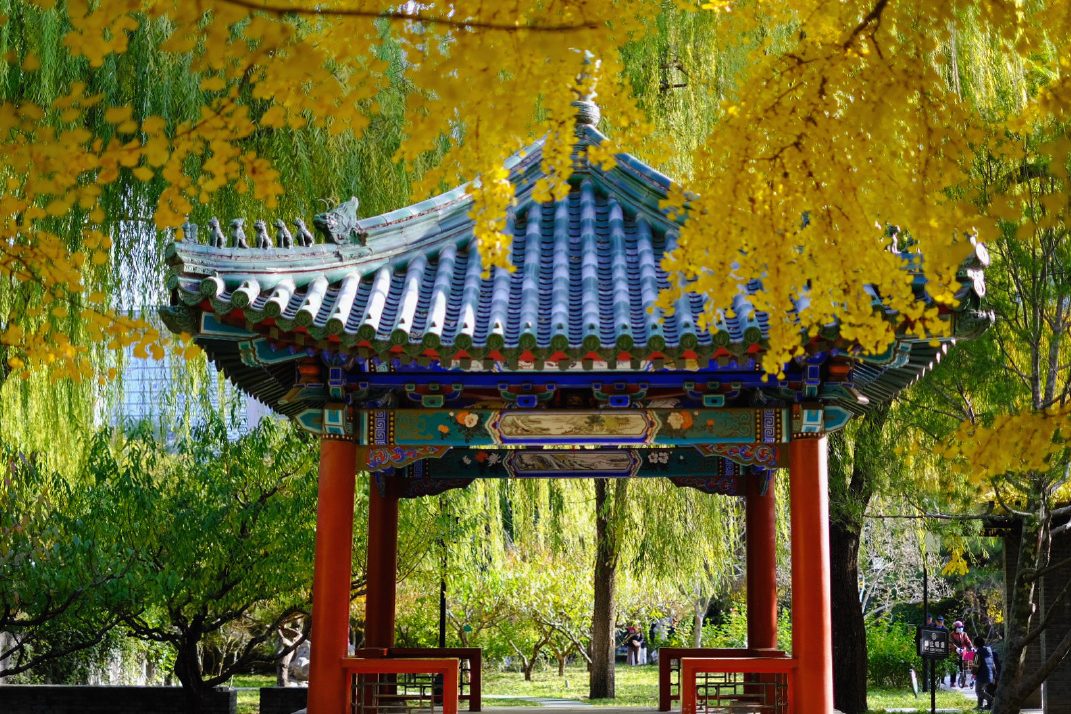
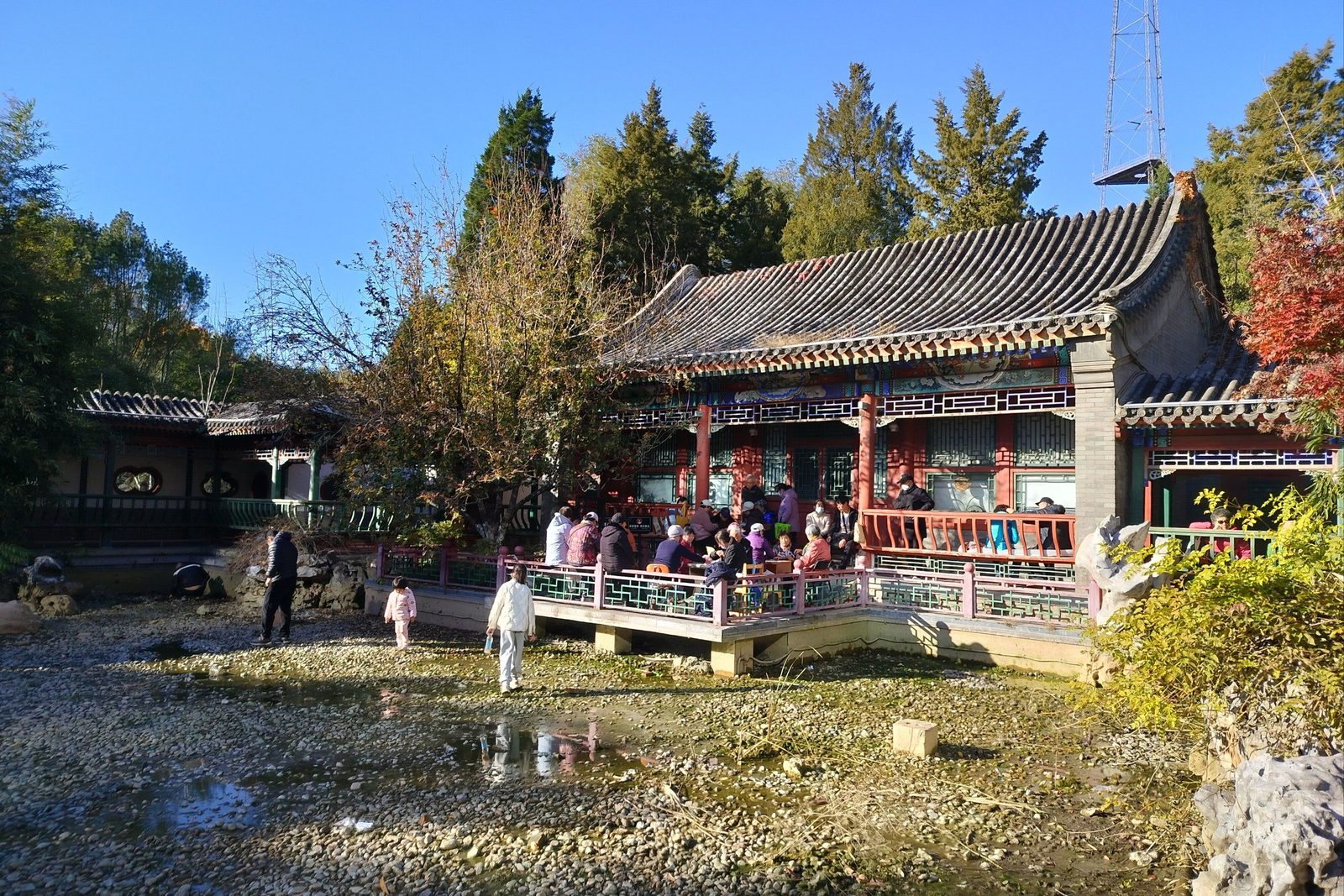
The Temple of Moon was built in 1530 under the Jiajing Emperor as the western member of Beijing's four suburban altars, paired with the sun in the east. The moon altar was placed in the west of the city, in keeping with the direction of the moon, and used for rites at the autumn equinox.
The emperor came west to honour the moon and the stars at the equinox. The Qing maintained the altar, but over the 20th century the complex was reduced to a small park as halls were lost and the surrounding city grew. Unlike the Temple of Heaven, almost nothing of the original ceremonial building survives.
Today Yuetan is the smallest and least-visited of the four altars — a free neighbourhood park beside Financial Street. Its value is precisely its modesty: a few minutes of quiet among very old trees, with the faintest outline of a Ming rite still readable in the ground.
Yes. Yuetan Park is free to enter and the moon altar needs no ticket. You simply walk through an open gate. There is nothing to book, which suits a quick, unplanned stop.
Take Metro Line 1 or 2 to Fuxingmen and walk about ten minutes west, or take a taxi to 月坛公园. The park sits just south of the Financial Street high-rise district.
Thirty to forty-five minutes covers the altar and a short loop of the gardens. It is the briefest of the four altar visits and is best paired with somewhere larger nearby.
Spring and autumn are pleasant, and weekday mornings are nearly empty. There is no seasonal event here, so any calm day works; avoid the midday summer heat on the open paths.
Only as a quiet add-on. Yuetan has the least to see of the four altars and no grand architecture, but it is free, central and profoundly peaceful — a contrast to the Financial Street towers beside it.