
The White Stupa
A 50-metre Nepali-style white stupa built in the 1270s by the architect Aniko, the largest of its kind in China and the reason the whole quarter is named Baitasi.
A 13th-century Nepali-designed white stupa and the hutong quarter that has grown around it
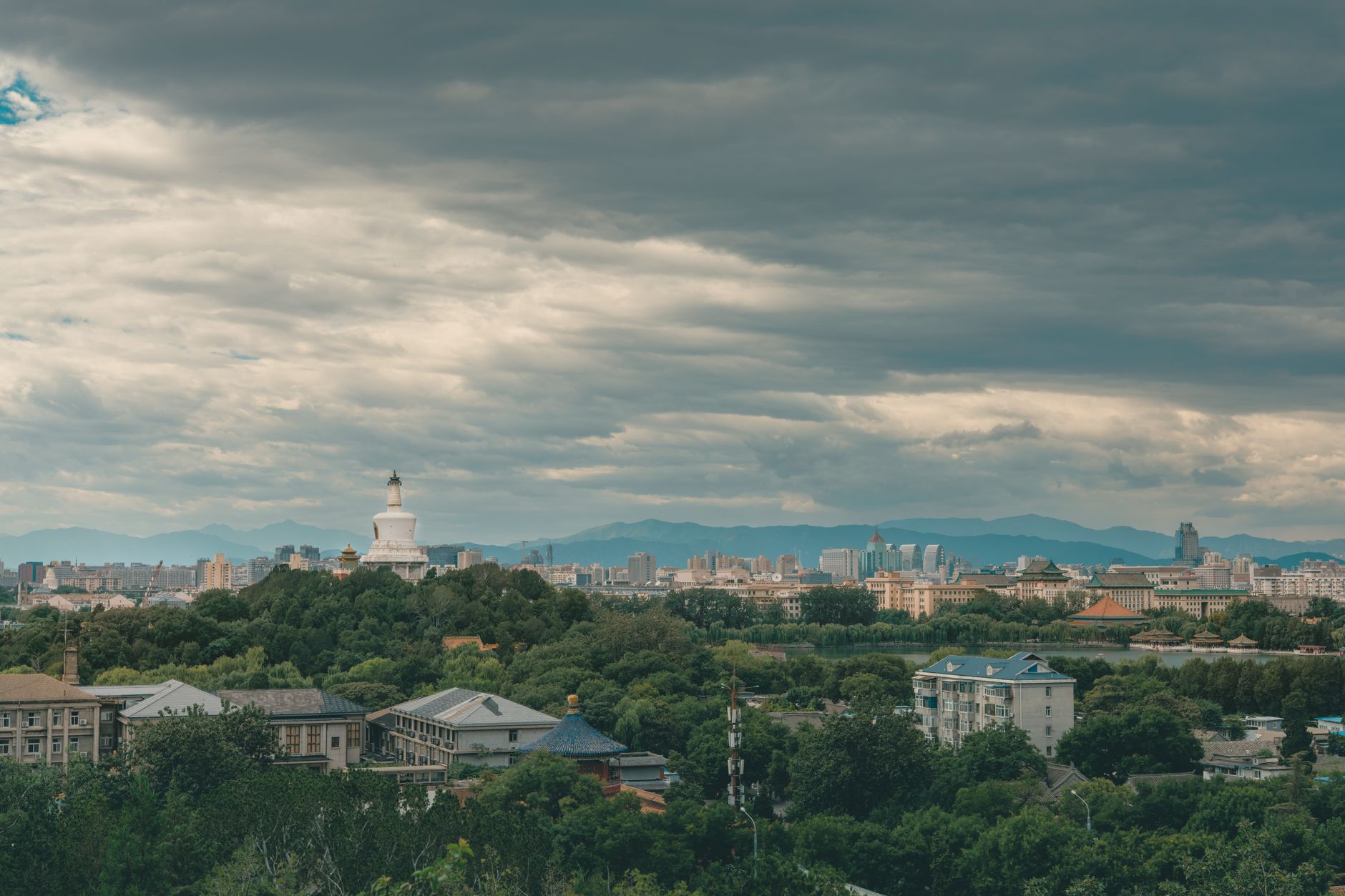
White Dagoba Temple, or Baitasi, is centred on a 13th-century white stupa designed by the Nepali architect Aniko — the largest of its kind in China. The surrounding hutong quarter has been regenerated with cafés and studios, making the visit as much about the lanes as the temple. This guide covers opening hours, the small ticket, how to get there, and how to pair the stupa with the Baitasi neighbourhood.
The temple sells tickets at the gate and does not require advance booking for foreign visitors. Carry your passport, as the ticket may be tied to ID at busy times. The surrounding Baitasi hutongs are free to wander at any hour.
Metro Line 2 to Fuchengmen (Exit A), then a 10-minute walk north into the Baitasi lanes; Line 4 Xisi is also a short walk east.
Show the driver 白塔寺 (Baitasi) or 妙应寺 (Miaoying Si). Most drivers know the white stupa.
Enter via the east gate on the temple's long north–south lane. The visit is a loop around the central stupa; exit the same gate.
A 50-metre Nepali-style white stupa built in the 1270s by the architect Aniko, the largest of its kind in China and the reason the whole quarter is named Baitasi.
The stupa stands in a walled courtyard with a few halls, a calm contrast to the busy hutong lanes pressing in on every side.
Founded as Miaoying Temple in the Yuan dynasty, the site keeps a largely Yuan and Ming ground plan rare in modern Beijing.
The lanes around the stupa have been regenerated with coffee shops, small galleries and design studios, making the visit as much about the quarter as the temple.
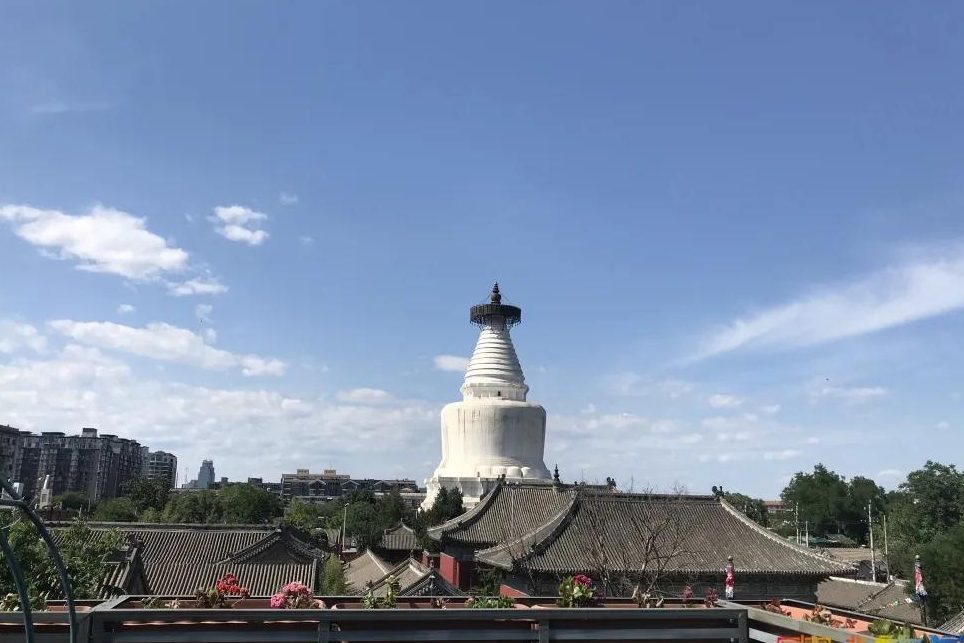
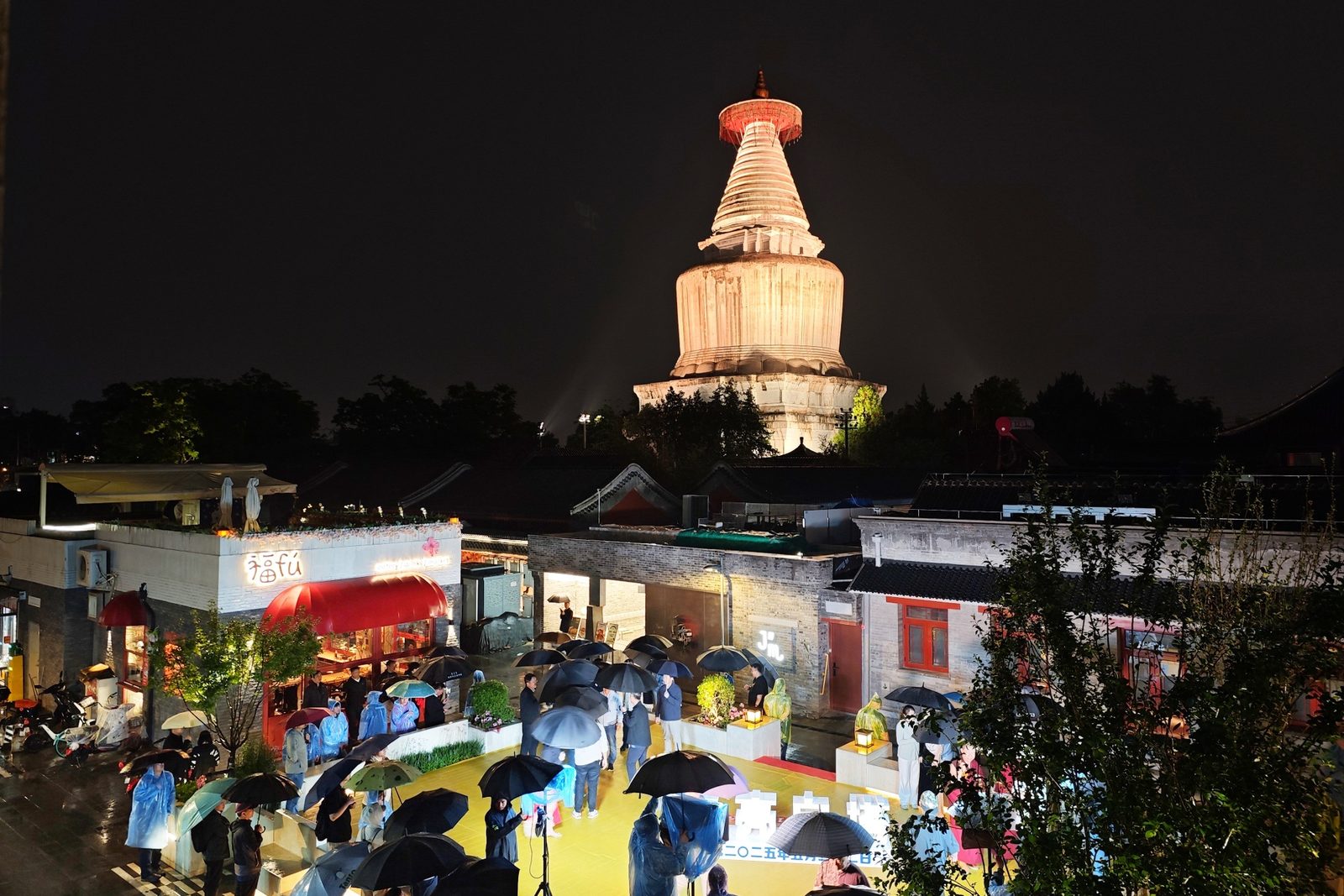
The temple was founded in 1271 as the Monastery of the Great Compassion and rebuilt around 1279 under the Yuan emperor Kublai Khan. Its defining feature, the white stupa, was designed by the Nepali architect Aniko and completed in the 1280s as a reliquary and a statement of the new Mongol capital's Buddhist patronage.
At roughly 50 metres the stupa was the tallest building in Beijing for decades and remained the largest of its kind in China. The Ming and Qing dynasties repaired and expanded the surrounding monastery, which became a recognised centre of Tibetan-style Buddhism within the imperial city's western quarter.
The monastery declined in the 20th century but the stupa survived, and in recent years the Baitasi hutong district around it has been regenerated with cafés, studios and small museums. The temple now sits oddly and pleasantly between living worship, heritage and a creative neighbourhood — a compact slice of old and new Beijing.
No. Tickets are sold at the gate and there is no advance booking for foreign visitors. Carry your passport, as ID may be recorded at busy times, and simply buy a paper ticket on arrival.
Around CNY 20 at the gate, though the price can change, so confirm the figure on the notice when you arrive. The Baitasi hutong lanes around the temple are free to enter at any time.
One to ninety minutes covers the stupa, the halls and a short exhibition. Add another hour if you wander the regenerated Baitasi hutongs, which are best enjoyed slowly with a coffee.
Spring and autumn are most pleasant, and weekday mornings are quiet. The temple closes on Mondays, so avoid that day; the surrounding lanes, however, stay open seven days a week.
Yes, especially paired with the hutongs. The stupa is genuinely historic — a 13th-century Nepali design and the largest of its kind in China — and the creative quarter around it makes the trip feel current, not just old.